
تُولي المملكة العربية السعودية، بقيادة خادم الحرمين الشريفين وولي عهده الأمين، اهتماماً بالغاً ومستمراً بتطوير البنية التحتية في مكة المكرمة والمشاعر المقدسة، إيماناً منها بعظم المسؤولية تجاه ضيوف الرحمن. وفي هذا السياق، أكدت الهيئة السعودية لتنظيم الكهرباء حرصها الدائم، في إطار توجيهات القيادة الرشيدة ومتابعة وإشراف وزارة الطاقة، على توفير خدمة كهربائية موثوقة وآمنة خلال موسم الحج لعام 1447هـ، لتسهم بشكل مباشر في تحقيق راحة وسلامة الحجاج، بما يؤكد التزام المملكة بتوفير رحلة روحانية متكاملة وميسرة لضيوف الرحمن.
تاريخ من العناية بالبنية التحتية في المشاعر المقدسة
تاريخياً، شهدت المشاعر المقدسة (منى، ومزدلفة، وعرفات) قفزات هائلة في مجال توفير الطاقة وتطوير المرافق العامة. فمع تزايد أعداد الحجاج سنوياً وتزامن بعض مواسم الحج مع أشهر الصيف شديدة الحرارة، باتت الحاجة ملحة لشبكة كهربائية عملاقة ومستقرة. هذه الشبكة لا تقتصر مهمتها على الإنارة فحسب، بل تمتد لتشغيل أنظمة التكييف الضخمة في خيام الحجاج، وتوفير الطاقة المستمرة للمستشفيات الميدانية والمراكز الصحية التي تنقذ الأرواح، بالإضافة إلى تشغيل قطار المشاعر المقدسة ومراكز القيادة والسيطرة الأمنية.
جولات رقابية مكثفة لضمان استقرار الخدمة الكهربائية
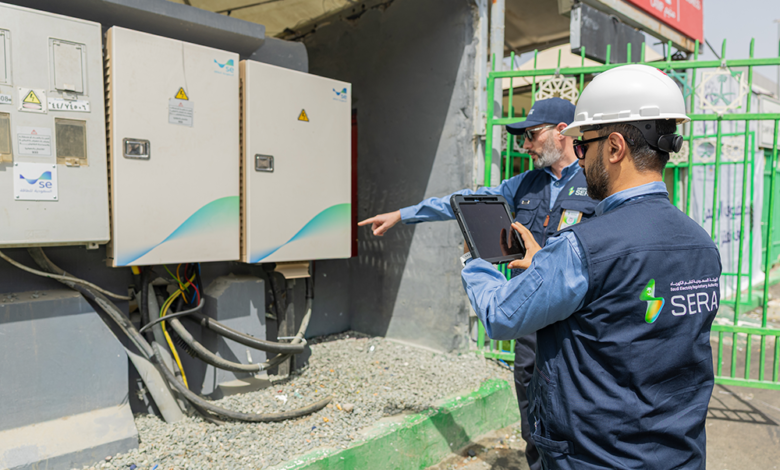
لضمان كفاءة هذه المنظومة المعقدة، أوضحت الهيئة أنها واصلت تنفيذ جولاتها التفتيشية والرقابية على محطات ومرافق الكهرباء في المشاعر المقدسة. تهدف هذه الجولات إلى التأكد من موثوقية وفاعلية هذه المرافق، ومن تنفيذ برامج الصيانة الدورية والوقائية لعناصر الشبكة الكهربائية، بما يضمن سلامة واستمرار تقديم الخدمة الكهربائية لضيوف الرحمن دون أي انقطاعات قد تؤثر على سير المناسك.
تقنيات حديثة ومتابعة مستمرة لأداء الشبكة
وبينت الهيئة أن فرقها الميدانية تتابع أداء الشبكة الكهربائية بشكل مستمر على مدار الساعة في أثناء موسم الحج. ويتم ذلك من خلال الوقوف المباشر على مواقع الخدمات الكهربائية في المشاعر المقدسة، ومراقبة أداء مقدم الخدمة الكهربائية من حيث مستوى جودة الخدمة، وسرعة استقبال البلاغات الواردة والتعامل الفوري معها. كما يُستخدم نموذج إلكتروني متطور يُمكّن فرق الهيئة التفتيشية من تسجيل الملاحظات والحالات ميدانياً، وتتبع الزيارات والبلاغات، وربطها بنظام مركزي يتيح المتابعة الفورية. هذا النظام يسهل إصدار التقارير والمؤشرات الإحصائية، ومتابعة إجراءات السلامة الكهربائية، والملاحظات المرتبطة بالمعدات، والتحقق من معالجتها، بالإضافة إلى التحقق من السعات والأحمال الكهربائية الفعلية.
الأبعاد المحلية والدولية لاستقرار الطاقة خلال الحج
إن الأهمية البالغة لهذه الجولات الرقابية تتجاوز البعد المحلي لتصل إلى أبعاد إقليمية ودولية. فعلى الصعيد المحلي، يضمن استقرار التيار الكهربائي نجاح خطط الطوارئ وإدارة الحشود التي تنفذها مختلف القطاعات الحكومية. أما على الصعيد الدولي، فإن هذه الجهود الجبارة تعكس صورة مشرفة للمملكة العربية السعودية أمام العالم الإسلامي بأسره، وتبعث برسالة طمأنينة لملايين المسلمين بأن حجاجهم في أيدٍ أمينة، وأن المملكة تسخر كافة إمكاناتها التقنية والبشرية والمادية لخدمة الإسلام والمسلمين.