
مقدمة: نهاية المعركة القضائية بين ماسك وأوبن إي آي
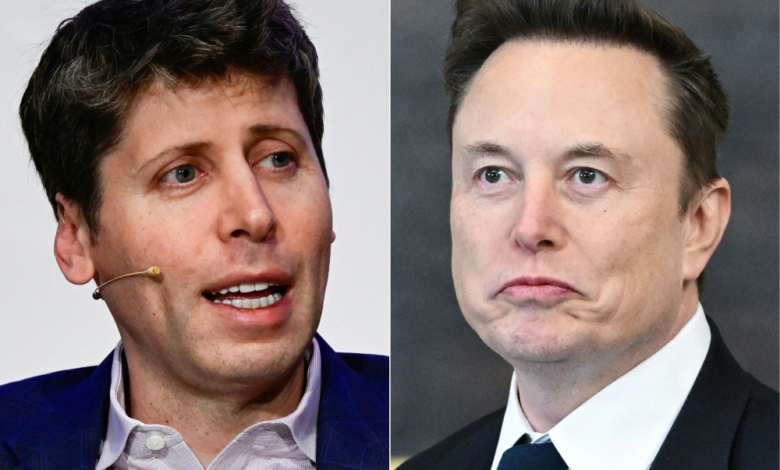
خسر الملياردير الأمريكي إيلون ماسك دعوى قضائية بارزة في ولاية كاليفورنيا ضد مبتكري برنامج الذكاء الاصطناعي الشهير “تشات جي بي تي” (ChatGPT)، شركة “أوبن إي آي” (OpenAI). وتأتي هذه الخسارة بعد اتهامات وجهها ماسك للشركة بإساءة استخدام تبرعاته المالية التي قدمها في بدايات التأسيس، زاعماً أنهم استغلوها لبناء قوة تجارية ضخمة في مجال الذكاء الاصطناعي، مع التنصل من تعهدهم الأساسي بإبقاء أهداف المنظمة غير ربحية ومفتوحة المصدر لخدمة البشرية.
السياق التاريخي: من منظمة غير ربحية إلى عملاق تجاري
لفهم أبعاد هذه القضية، يجب العودة إلى السياق التاريخي لتأسيس “أوبن إي آي”. في ديسمبر من عام 2015، شارك إيلون ماسك مع سام ألتمان وآخرين في تأسيس المنظمة ككيان غير ربحي يهدف إلى تطوير ذكاء اصطناعي آمن ومفيد للبشرية بعيداً عن احتكار الشركات الكبرى. ومع ذلك، في عام 2019، أي بعد حوالي خمس سنوات من التأسيس، شهدت الشركة تحولاً جذرياً نحو نموذج ربحي لجذب الاستثمارات الهائلة اللازمة لتطوير نماذج لغوية ضخمة، وهو ما اعتبره ماسك خيانة للمبادئ التأسيسية، ليقوم برفع دعواه القضائية في عام 2024.
تفاصيل المحاكمة وحكم هيئة المحلفين
وبعد ثلاثة أسابيع من جلسات الاستماع المكثفة في المحكمة الفدرالية في أوكلاند، قرب سان فرانسيسكو، والتي شهدت استجواب خمسة من أصحاب المليارات في مجال التكنولوجيا، أصدرت هيئة محلفين مكونة من تسعة مواطنين أمريكيين حكمها في غضون ساعتين فقط لصالح شركة “أوبن إي آي” ورئيسها التنفيذي سام ألتمان. وخلص المحلفون إلى أن ماسك، الذي يشغل أيضاً منصب رئيس شركة “سبيس إكس” (SpaceX)، كان على علم بالتهم الموجهة ضد الشركة قبل سنوات من تقديمه للدعوى، مما يجعل القضية خارج الإطار الزمني القانوني المسموح به وفقاً لقانون التقادم. وأعلنت القاضية الفدرالية إيفون غونزاليس روجرز فوراً تأكيدها لقبول نتائج هيئة المحلفين الاستشارية، مؤكدة أنها ستتبع رأيهم في هذه المسألة.
رد فعل إيلون ماسك: غضب وتراجع على منصة إكس
لم يتقبل ماسك، وهو أغنى رجل في العالم، هذا القرار بصمت. فقد سارع إلى نشر تدوينة غاضبة على منصته “إكس” (تويتر سابقاً)، وصف فيها القاضية بأنها “متشددة”، واعتبر أن هيئة المحلفين استخدمت قانون التقادم “كذريعة” لخلق “سابقة مروعة”. وأضاف أن هذا الحكم “يجيز نهب جمعيات خيرية” من خلال إخفاء الحقائق لمدة ثلاث سنوات. لكنه سرعان ما حذف المنشور بعد ساعات قليلة، مستبدلاً إياه برسالة أخرى يعرب فيها عن أسفه لأن المحكمة لم “تبتّ في جوهر القضية” واكتفت بالرفض بناءً على “مسألة شكلية مرتبطة بالتوقيت”.
أهمية الحدث وتأثيره على مستقبل الذكاء الاصطناعي
يحمل هذا الحدث أهمية كبرى وتأثيراً بالغاً على المستويين الإقليمي والدولي في قطاع التكنولوجيا. فسباق الذكاء الاصطناعي يشهد منافسة شرسة، خاصة مع إطلاق ماسك لشركته الخاصة للذكاء الاصطناعي “إكس إي آي” (xAI) ونموذجها “غروك” (Grok) لمنافسة “تشات جي بي تي” بشكل مباشر. وفي هذا السياق، صرح محامي شركة “أوبن إي آي”، ويليام سافيت، لدى خروجه من جلسة المحاكمة، بأن هذا الحكم “يؤكد أن أمر الاستدعاء كان محاولة نفاقية لضرب منافس”. إن إنهاء هذه المعركة القانونية يعزز من موقف “أوبن إي آي” التجاري ويمنحها استقراراً قانونياً لمواصلة هيمنتها العالمية في ابتكارات الذكاء الاصطناعي دون ملاحقات قضائية تعرقل مسيرتها من قبل أحد أبرز مؤسسيها السابقين.