
مقدمة عن إدارة الطوارئ في الحج
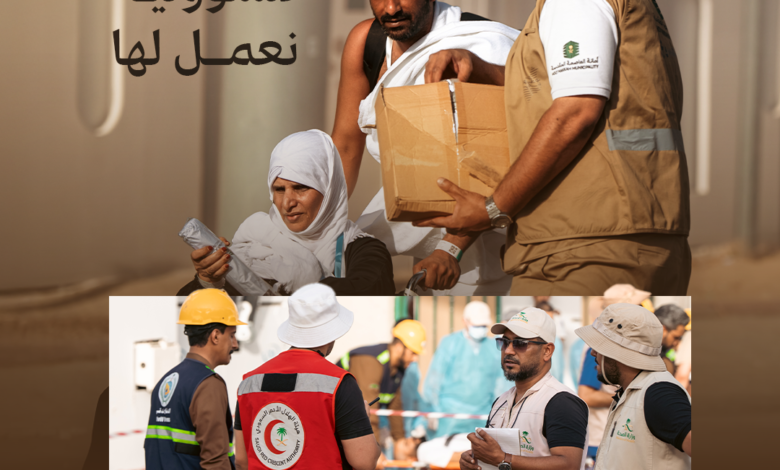
تولي المملكة العربية السعودية اهتماماً بالغاً بسلامة ضيوف الرحمن، وتعتبر إدارة الطوارئ في الحج من أهم الركائز التي تضمن نجاح هذا التجمع الديني الأكبر عالمياً. وفي هذا السياق، أكدت وزارة البلديات والإسكان أن مركز الطوارئ والأزمات يعمل ضمن منظومة تشغيلية متكاملة ومتقدمة لإدارة البلاغات والحالات الطارئة خلال موسم حج 1447هـ، وذلك عبر آليات تنسيقية وإجرائية دقيقة تهدف إلى توفير بيئة آمنة ومستقرة للحجاج.
السياق التاريخي وتطور منظومة خدمة ضيوف الرحمن
على مر التاريخ، سخرت المملكة كافة إمكاناتها لخدمة الحجاج والمعتمرين. وقد شهدت العقود الماضية تطوراً هائلاً في آليات التعامل مع الحشود وإدارة الأزمات، منتقلة من الأساليب التقليدية إلى الاعتماد الكامل على التقنيات الحديثة والذكاء الاصطناعي. ويأتي هذا التطور متوافقاً مع مستهدفات رؤية السعودية 2030، التي تضع خدمة ضيوف الرحمن في صدارة أولوياتها، مما جعل المملكة نموذجاً عالمياً يُحتذى به في إدارة الحشود الضخمة وتأمين سلامتهم في مساحات جغرافية محدودة وأوقات زمنية محددة.
منصة إيميرج ورفع كفاءة الاستجابة الميدانية
تستهدف الوزارة تعزيز سرعة الاستجابة ورفع كفاءة الجاهزية الميدانية في المشاعر المقدسة من خلال منصة إيميرج (المنصة الموحدة لمنظومة الطوارئ والأزمات). وتُعد هذه المنصة إنجازاً تقنياً بارزاً، حيث حازت على جائزة ضمن أفضل 3 منصات عالمية للمدن الذكية. وأوضحت الوزارة أن المركز يتولى تنظيم وتشغيل غرف الطوارئ، ومتابعة جاهزية المراكز الميدانية، والتأكد من تحديث بيانات التواصل وحصر الآليات والمعدات. إضافة إلى ذلك، تتم متابعة خطط المناوبات والتنسيق المستمر مع الجهات ذات العلاقة لضمان استمرارية الأعمال التشغيلية خلال الموسم بشكل آني عبر المنصة.
دورة تشغيلية متكاملة للتعامل مع البلاغات
بيّنت الوزارة أن منظومة العمل بالمركز تشمل دورة تشغيلية متكاملة ومؤتمتة بالكامل للتعامل مع البلاغات. تبدأ هذه الدورة من تلقي الإنذار وتقييم الحالة الطارئة، مروراً بتنشيط المركز وإحاطة القيادات المختصة، وصولاً إلى تنفيذ الخطط الطارئة ومتابعة الحالة حتى اكتمال التعافي والعودة للوضع الطبيعي. هذه الأتمتة الشاملة تضمن رفع الجاهزية وسرعة الاستجابة لأي طارئ قد يحدث لضمان سلامة الحجاج.
تقارير لحظية وتكامل وطني عبر منصة صامد
لضمان أعلى مستويات الشفافية والفعالية، أشارت الوزارة إلى أن المركز يرفع تقارير دورية ويومية عن البلاغات والحالات الطارئة بالتنسيق مع أمانة العاصمة المقدسة وأمانة المدينة المنورة. هذا التنسيق يسهم في توفير صورة تشغيلية لحظية تدعم سرعة اتخاذ القرار. كما أكدت الوزارة أن منظومة إدارة الطوارئ ترتبط بمنصة صامد لتمرير البلاغات الطارئة إلى مجلس المخاطر الوطنية، في إطار التكامل مع المنظومة الوطنية لإدارة الأزمات والطوارئ، مما يعزز الجاهزية المؤسسية والتنسيق بين مختلف الجهات المشاركة.
الأهمية والتأثير المحلي والدولي
إن نجاح إدارة الطوارئ في الحج لا يقتصر تأثيره على الداخل السعودي فحسب، بل يمتد ليشمل العالم الإسلامي بأسره. محلياً، يضمن هذا النظام استمرارية الخدمات وحماية البنية التحتية وتسهيل حركة الحشود. أما إقليمياً ودولياً، فإنه يبعث برسالة طمأنينة لملايين المسلمين وحكوماتهم حول العالم، مؤكداً قدرة المملكة الفائقة على حماية رعاياهم وتوفير أقصى درجات الرعاية الصحية والأمنية لهم، مما يعزز من مكانة المملكة كقائدة للعالم الإسلامي ورائدة في إدارة الأزمات العالمية.