Emergency medical services at the Grand Mosque, with the participation of 17 entities

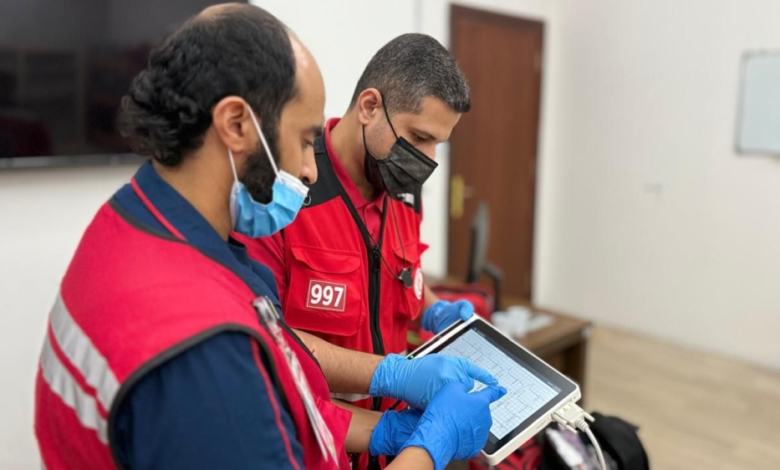
The Saudi Red Crescent Authority continues its tireless and ongoing efforts to provide ambulance services in the Grand Mosque and the central areas surrounding it, within an integrated and well-thought-out health system that primarily aims to enhance the speed of response to emergency cases, and to serve the guests of God, including pilgrims, Umrah performers and visitors, with high efficiency and unparalleled professionalism.
Historical context and interest in the guests of God
Historically, since its unification, the Kingdom of Saudi Arabia has placed great importance on the health and safety of pilgrims to the Holy Mosque in Mecca. Healthcare in Mecca has developed remarkably over the decades, evolving from simple first aid points to a world-class medical system. This development aligns with the goals of Saudi Vision 2030, specifically the "Guests of God Service Program," which aims to transform the Hajj and Umrah experience, hosting millions of Muslims annually while ensuring the highest levels of security, safety, and healthcare for them at all times.
Joint coordination with the participation of 17 health entities
The Saudi Red Crescent Authority plays a prominent role in this system through its high-level coordination with 17 health entities representing the government, private medical, and non-profit sectors. This institutional synergy ensures comprehensive coverage of the central area. Continuous coordination with major hospitals and health centers surrounding the Grand Mosque contributes to supporting ambulance services and activating field deployment plans that guarantee the rapid transfer of critical cases for specialized treatment and the provision of immediate primary care on-site.
Rapid response mechanisms and field technologies
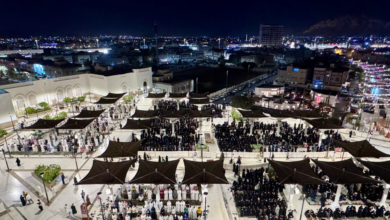
To manage the immense crowds at the Grand Mosque in Mecca, the emergency plan relies on deploying ambulance teams throughout the mosque, its courtyards, and the surrounding central areas using various mechanisms. These include mobile teams that move between the rows of worshippers, fixed ambulance stations, and strategic staging points. In addition, lightweight and advanced ambulance vehicles are utilized, such as medically equipped golf carts, which have proven highly effective in navigating crowds and rapidly reaching emergency cases, such as heat exhaustion, fatigue, and sudden health crises that may affect the elderly and those with chronic illnesses.
Local and international importance and impact
The impact of this integrated healthcare system extends far beyond the local level, encompassing crucial regional and international dimensions. Locally, these efforts contribute to reducing health complications among visitors and enhance crisis management efficiency. Internationally, the Kingdom's success in managing the health of millions of pilgrims sends a reassuring message to millions of Muslims worldwide that their loved ones are in safe hands. It also solidifies Saudi Arabia's position as a leading global authority in mass gathering medicine and the management of large crowds, reflecting the immense efforts and vast resources the Kingdom dedicates to serving the Two Holy Mosques.