The Security Council is holding an emergency session to discuss the US attack on Iran

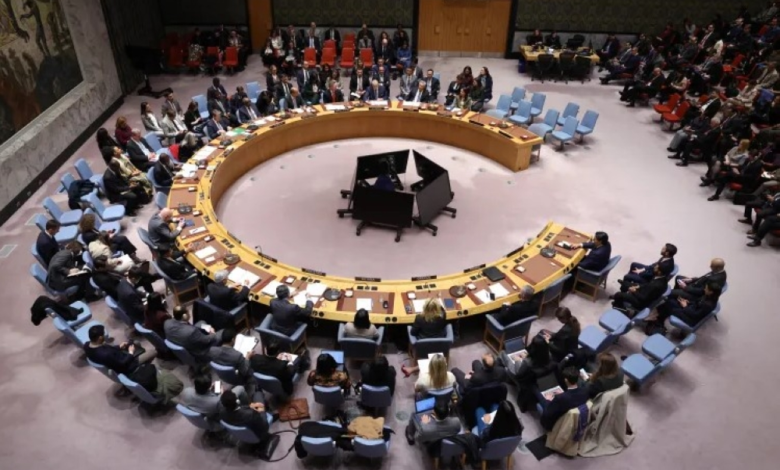
The UN Security Council's emergency session, dedicated to discussing the rapidly evolving situation in Iran, has just begun, amidst an unprecedented military escalation in the Middle East. The United Nations had previously announced that the Council would convene at 9:00 PM GMT, with the "situation in the Middle East" topping the agenda, amid international fears of the region sliding into open war.
Details of the military operation and Trump's statements
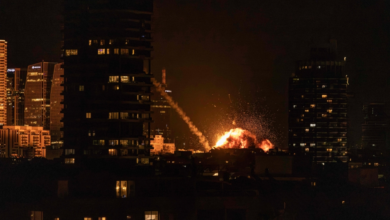
This emergency session comes as a direct response to rapidly unfolding events on the ground, with US President Donald Trump announcing, in fiery remarks, that the United States has already begun a large-scale military operation against targets inside Iran. Trump emphasized that this operation is "massive and ongoing," stressing that the strategic objective of the US military is the complete destruction of Iran's missile capabilities.
The US president added that Washington is determined to prevent Tehran from manufacturing any new missiles in the future, delivering a strongly worded warning that "the Iranian regime will learn not to challenge the United States." These statements have presented the international community with a new reality that requires urgent diplomatic action to address the situation.
The international position and calls for de-escalation
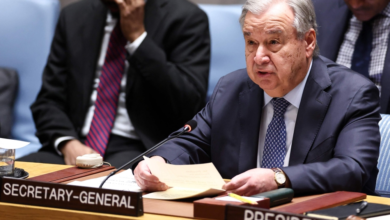
In response, UN Secretary-General António Guterres condemned what he described as a "dangerous escalation" in the region. Guterres called on all parties to exercise maximum restraint and demanded an immediate cessation of hostilities to avert a humanitarian and political catastrophe that could destabilize the entire region. The UN is deeply concerned about the potential for the conflict to spread to neighboring countries.
Background to the tension and repercussions of the regional conflict
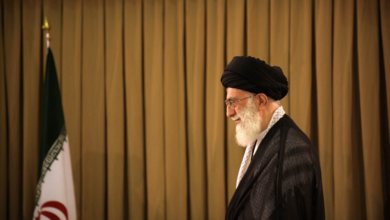
This event cannot be separated from the tense historical context of US-Iranian relations, which have been marked by decades of ups and downs, from the hostage crisis to the thorny nuclear issue and the imposition of harsh economic sanctions. Targeting Iran's missile capabilities represents a pivotal turning point in the region's military strategy, as Tehran considers its missile program a cornerstone of its defense doctrine.
Observers believe that the repercussions of this military operation will not be confined to Iran's borders, but could extend to global energy security, given Iran's strategic location overlooking the Strait of Hormuz, a vital artery for the flow of global oil. Concerns are also growing about potential reactions and the impact on global financial markets and oil prices, which are directly affected by any security disturbances in the Arabian Gulf.
The role of the Security Council and expected scenarios
All eyes are now on the Security Council's upcoming resolutions, despite the usual challenges posed by the veto power that some major powers might use to block any binding decisions. Nevertheless, this session remains a vital platform for attempting to contain the crisis diplomatically before it's too late, as the international community seeks to prioritize dialogue and prevent the Middle East from becoming a full-blown war zone with potentially disastrous consequences for international peace and security.