
مقدمة: جهود مستمرة لخدمة ضيوف الرحمن
تولي المملكة العربية السعودية اهتماماً بالغاً بتطوير البنية التحتية وتوفير أقصى درجات الراحة والأمان لقاصدي الحرمين الشريفين. وفي هذا السياق، تتواصل الجهود المكثفة لرفع مستويات الجودة والسلامة في قطاع النقل، حيث يُعد تعزيز جاهزية شبكة الطرق لموسم الحج من أهم الأولويات الاستراتيجية التي تعمل عليها مختلف الجهات الحكومية لضمان انسيابية الحركة المرورية وتسهيل تنقلات الحجاج والمعتمرين.
لقاء استراتيجي لتعزيز جاهزية شبكة الطرق
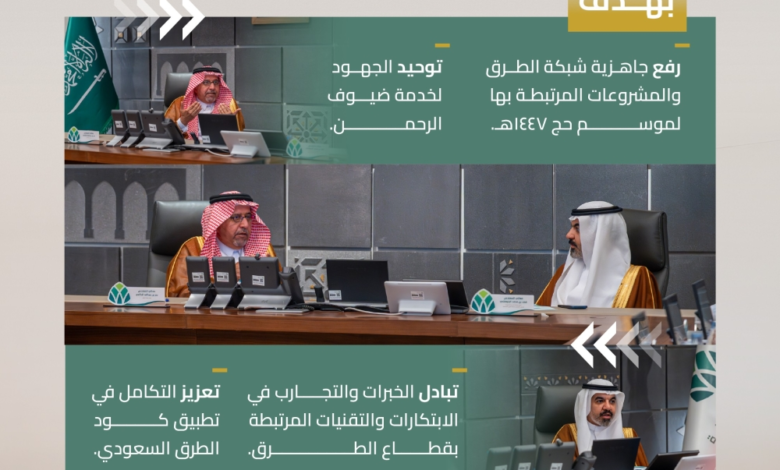
في خطوة تعكس التكامل بين مؤسسات الدولة، التقى معالي الرئيس التنفيذي للهيئة العامة للطرق، المهندس بدر بن عبدالله الدلامي، بمعالي أمين منطقة المدينة المنورة، المهندس فهد بن محمد البليهشي، وذلك في مقر الأمانة. هدف هذا اللقاء الاستراتيجي إلى بحث سبل تعزيز الجهود المشتركة لخدمة ضيوف الرحمن، ومناقشة مدى جاهزية شبكة الطرق والمشروعات الحيوية المرتبطة بها، وذلك في إطار الاستعدادات المبكرة لموسم حج عام 1447هـ. وقد استعرض الجانبان حزمة من مشروعات الطرق ومبادرات الهيئة، ودورها المحوري في دعم الجهات المشغلة وتذليل العقبات.
السياق التاريخي: بنية تحتية تتطور عبر العقود
تاريخياً، ومنذ توحيد المملكة، شكلت خدمة الحجاج وتأمين طرق الحج أولوية قصوى للقيادة الرشيدة. فقد تطورت شبكات النقل من طرق ترابية بسيطة ومسارات قوافل إلى واحدة من أضخم شبكات الطرق المعبدة والمضاءة على مستوى الشرق الأوسط. هذا التطور التاريخي لم يكن وليد اللحظة، بل جاء نتيجة خطط تنموية متعاقبة استهدفت ربط مكة المكرمة والمدينة المنورة والمشاعر المقدسة بشبكة طرق سريعة، متطورة، وآمنة، تستوعب الملايين من الحجاج الذين يتوافدون في وقت واحد من كل فج عميق، مما يعكس التزام المملكة الدائم بخدمة الإسلام والمسلمين.
تطبيق كود الطرق السعودي وأثره المستقبلي
من أبرز محاور اللقاء كان التأكيد على أهمية تعزيز التكامل في تطبيق كود الطرق السعودي. هذا الكود يُعد مرجعاً فنياً شاملاً يهدف إلى توحيد المعايير والمواصفات الفنية لجميع الطرق في المملكة. وأكدت الهيئة العامة للطرق حرصها الشديد على التعاون مع الأمانات لضمان التطبيق الأمثل لهذا الكود، مما يسهم بشكل مباشر في رفع مستويات الجودة، والسلامة، والكفاءة، والاستدامة في كافة مشاريع البنية التحتية، ويقلل من تكاليف الصيانة على المدى الطويل.
الأهمية والتأثير: محلياً وإقليمياً ودولياً
إن تطوير شبكة الطرق لا يقتصر تأثيره على الداخل السعودي فحسب، بل يمتد ليشمل أبعاداً إقليمية ودولية. فعلى الصعيد المحلي، يسهم ذلك في تنشيط الحركة الاقتصادية، وتسهيل تنقل المواطنين والمقيمين، وتقليل نسب الحوادث المرورية بشكل ملحوظ. أما على الصعيدين الإقليمي والدولي، فإن نجاح المملكة في إدارة الحشود المليونية وتوفير طرق آمنة وسريعة يعكس قدراتها اللوجستية الفائقة، ويعزز من مكانتها الرائدة في العالم كحاضنة للحرمين الشريفين، مما يترك أثراً إيجابياً عميقاً في نفوس ملايين المسلمين حول العالم الذين يفدون لأداء المناسك.
رؤية 2030: نحو الريادة العالمية في جودة الطرق
تأتي هذه التحركات والاجتماعات التنسيقية ضمن دور الهيئة العامة للطرق في تنظيم قطاع الطرق والإشراف عليه، من خلال تطوير السياسات والتشريعات، وتطبيق المعايير الفنية الحديثة. وتصب جميع هذه الجهود في تحقيق مستهدفات الاستراتيجية الوطنية للنقل والخدمات اللوجستية المنبثقة من رؤية السعودية 2030، والتي تهدف بوضوح إلى الارتقاء بجودة الحياة، ودعم وصول المملكة إلى التصنيف السادس عالمياً في مؤشر جودة الطرق بحلول عام 2030، مما يعزز تجربة مستخدمي الطرق ويرفع مستويات السلامة في مختلف مناطق المملكة.