Russia confirms it will remain in OPEC+ to ensure the stability of oil markets

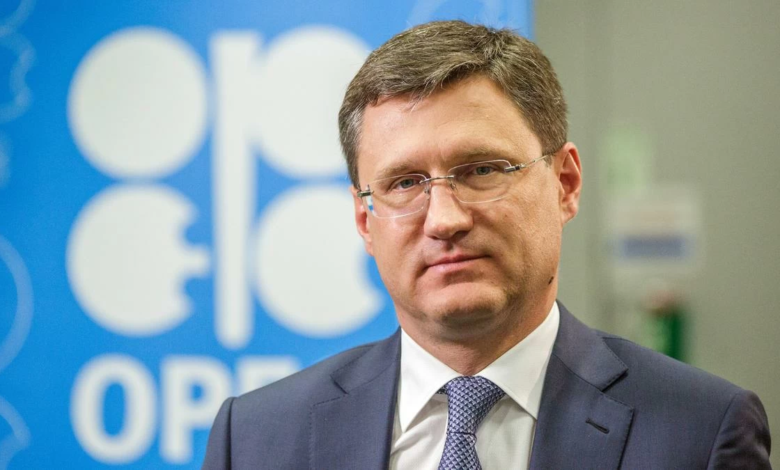
In a move aimed at reassuring global energy markets, Russia reaffirmed at the highest levels its unwavering commitment to the OPEC+ alliance, denying any speculation about its intention to withdraw from the agreement, which plays a pivotal role in stabilizing oil prices. This reaffirmation came in simultaneous statements from Russian Deputy Prime Minister Alexander Novak and Kremlin spokesman Dmitry Peskov.
News agencies quoted Novak, considered the architect of Russian oil policy, as saying that the OPEC+ alliance continues to operate effectively. In a statement to the Russian news agency Interfax, he explained that the market is currently facing significant challenges, saying, "Large quantities of oil are not reaching the market today, at a time when demand far exceeds supply. This has led to an imbalance due to serious logistical disruptions, including the situation in the Middle East." His remarks indicate a deep Russian understanding of the importance of joint coordination to address current volatility and ensure stable supplies.
Background to the establishment of the OPEC+ alliance
The OPEC+ alliance was established in late 2016 in response to the oil price collapse that began in 2014. It comprises the 13 member countries of the Organization of the Petroleum Exporting Countries (OPEC), led by Saudi Arabia, along with 10 non-OPEC oil-producing nations, primarily Russia. The alliance's primary objective has been to rebalance global oil markets by coordinating production policies and collectively managing supply, a strategy that has proven successful in addressing numerous crises, including the impact of the COVID-19 pandemic on global demand.
The importance of Russia's continued participation in the alliance
Russia's participation, as the world's second-largest oil producer, is considered the cornerstone of the OPEC+ agreement's success. Any potential withdrawal by Moscow would undermine the alliance's ability to influence markets and could lead to a devastating price war like the one briefly experienced in March 2020. Therefore, the Kremlin's statements were intended to put an end to such speculation.
Kremlin spokesman Dmitry Peskov told reporters that Russia is not currently considering withdrawing from OPEC+, emphasizing Moscow's commitment to maintaining the alliance. Peskov stressed that existing agreements within OPEC+ have proven effective in calming global oil markets, adding that the continuation of this framework remains essential for achieving the desired balance and stability.
Local and international impact of the decision
Internationally, these Russian assurances send a strong message of stability to investors and energy markets, helping to mitigate the sharp price fluctuations that negatively impact the global economy. They also reinforce the strategic energy axis between Riyadh and Moscow, which has become a key player in shaping global energy policy. Domestically, stable oil prices are vital to the Russian economy, as energy revenues constitute a significant portion of the state budget, particularly in light of Western sanctions. Therefore, maintaining this alliance serves Russia's long-term economic and geopolitical interests.