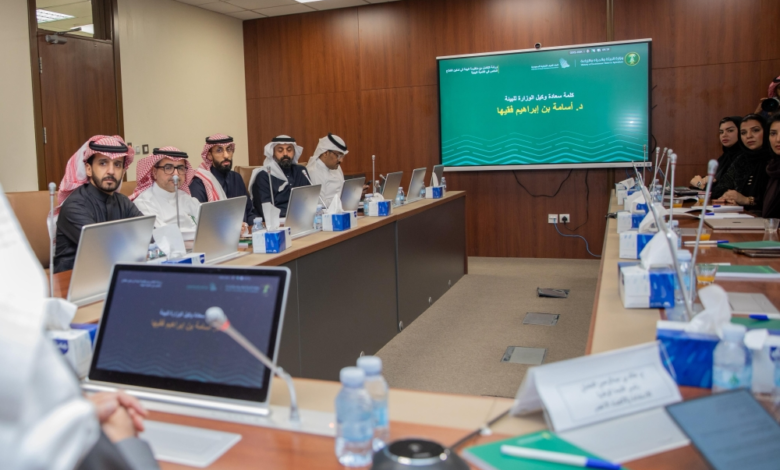

في خطوة استراتيجية تهدف إلى توحيد الجهود الوطنية وتعزيز العمل المؤسسي المشترك، عقدت وزارة البيئة والمياه والزراعة ورشة عمل موسعة في مقرها بالرياض، جمعت قيادات المنظومة البيئة مع اللجنة الوطنية للاستدامة والاقتصاد الأخضر باتحاد الغرف السعودية. وتأتي هذه الخطوة لتؤكد عزم المملكة على المضي قدماً في تحقيق مستهدفاتها البيئية الطموحة، وتفعيل دور القطاع الخاص كشريك أساسي في التنمية المستدامة.
سياق وطني داعم للاستدامة
تأتي هذه التحركات في وقت تشهد فيه المملكة العربية السعودية تحولاً تاريخياً في تعاملها مع الملفات البيئية، انطلاقاً من رؤية المملكة 2030 التي وضعت الاستدامة في قلب خططها التنموية. ومع إطلاق مبادرات نوعية مثل «مبادرة السعودية الخضراء»، أصبح التوجه نحو الاقتصاد الأخضر خياراً استراتيجياً لا غنى عنه لتنويع مصادر الدخل، وحماية الموارد الطبيعية للأجيال القادمة. وتعمل الوزارة جاهدة لردم الفجوة بين التشريعات الحكومية والتطبيقات العملية في القطاع الخاص، لضمان انتقال سلس نحو ممارسات صديقة للبيئة.
تعزيز التكامل المؤسسي
أكد وكيل الوزارة للبيئة، الدكتور أسامة فقيه، خلال الورشة التي حملت عنوان «تعزيز التكامل بين منظومة البيئة واللجنة الوطنية للاستدامة والاقتصاد الأخضر»، على ضرورة بناء إطار استراتيجي موحد. وأوضح أن الهدف ليس فقط سن القوانين، بل خلق بيئة عمل تكاملية ترفع من كفاءة التخطيط والتنفيذ للمشاريع البيئية. وناقش الحضور آليات الحوكمة وتحديد الأدوار بدقة بين الجهات الحكومية واللجان الوطنية، لضمان عدم تضارب المصالح وتسريع وتيرة الإنجاز في المبادرات الوطنية.
الأثر الاقتصادي والاجتماعي المتوقع
لا يقتصر التحول نحو الاقتصاد الأخضر على حماية الطبيعة فحسب، بل يحمل في طياته فرصاً اقتصادية هائلة. فمن المتوقع أن يسهم هذا التعاون في فتح آفاق استثمارية جديدة للقطاع الخاص في مجالات إدارة النفايات، وإعادة التدوير، والطاقة المتجددة، والسياحة البيئية. كما سيعزز من جودة الحياة للمواطنين والمقيمين من خلال تحسين جودة الهواء وزيادة الغطاء النباتي. ويُعد إشراك القطاع الخاص في هذه المرحلة عاملاً حاسماً لضمان استدامة هذه المشاريع وتحويلها من مبادرات حكومية إلى محركات نمو اقتصادي حقيقية.
توصيات لمستقبل أخضر
خرجت الورشة بحزمة من التوصيات العملية، أبرزها تشكيل لجنة متابعة وفرق عمل متخصصة لتحويل النقاشات إلى برامج تنفيذية ملموسة. كما تم الاتفاق على إقرار آليات عمل مشتركة تدعم الفرص الاستثمارية ذات الأولوية، وتذلل العقبات التي قد تواجه المستثمرين في القطاع البيئي. وشهد اللقاء مشاركة واسعة من المراكز الوطنية المتخصصة، بما في ذلك المركز الوطني للرقابة على الالتزام البيئي، والمركز الوطني لتنمية الحياة الفطرية، والمركز الوطني لتنمية الغطاء النباتي ومكافحة التصحر، والمركز الوطني لإدارة النفايات «موان»، وصندوق البيئة، مما يعكس شمولية الطرح وجدية العمل نحو مستقبل مستدام.