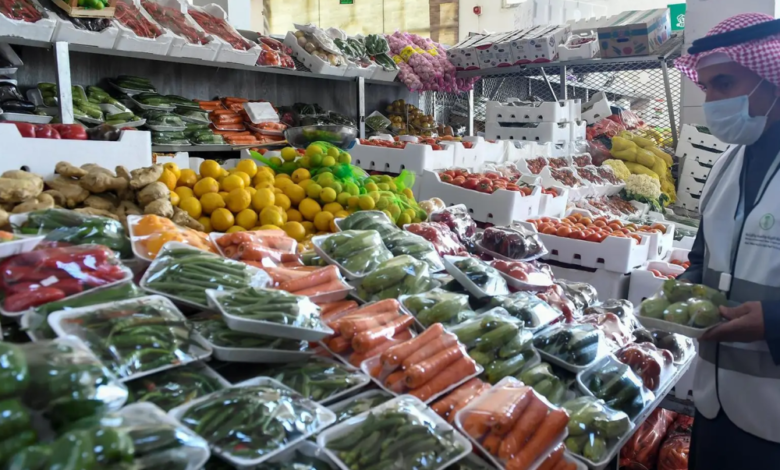

في إطار استعداداتها المكثفة لاستقبال شهر رمضان المبارك، أطلقت وزارة البيئة والمياه والزراعة حملة رقابية واسعة النطاق تحت شعار "جاهزية الأسواق والمسالخ"، وذلك لضمان أعلى معايير السلامة الغذائية وتوافر المنتجات الزراعية والحيوانية في كافة مناطق المملكة. وتأتي هذه الخطوة استجابة للنمو المتوقع في الطلب الاستهلاكي الذي يشهده الشهر الفضيل عادةً، مما يستدعي رفع الجاهزية التشغيلية للأسواق والمسالخ.
حملات تفتيشية مكثفة لضمان الامتثال
كشفت الوزارة عن تنفيذ فرقها الرقابية لـ 6,281 جولة تفتيشية ميدانية، بمشاركة 428 مأمور ضبط قضائي، للتأكد من التزام المنشآت بالأنظمة واللوائح. وقد أسفرت هذه الجهود عن رصد 1,475 مخالفة وتوجيه إنذارات فورية لتصحيح الأوضاع. وتكتسب هذه الجولات أهمية قصوى كونها خط الدفاع الأول لحماية المستهلك من المنتجات الفاسدة أو مجهولة المصدر، خاصة في مواسم الذروة التي قد يستغلها البعض لتمرير بضائع غير مطابقة للمواصفات.
وفي سياق الحفاظ على الصحة العامة، قامت الفرق الميدانية بإتلاف كميات كبيرة من المواد الغذائية غير الصالحة للاستهلاك الآدمي، شملت 19,936 كيلوجراماً من الخضار والفواكه والتمور، و1,605 كيلوجرامات من اللحوم والدواجن، بالإضافة إلى 727 كيلوجراماً من الأسماك. وتؤكد هذه الأرقام حزم الوزارة في تطبيق الأنظمة وعدم التهاون مع أي تجاوزات قد تمس صحة المواطن والمقيم.
الرقابة البيطرية في المسالخ
نظراً للإقبال الكبير على اللحوم خلال شهر رمضان، أولت الوزارة اهتماماً خاصاً بقطاع المسالخ، حيث أوضح التقرير أن إجمالي المذبوحات بلغ 111,322 رأส่اً من الأنعام (أغنام، أبقار، إبل). ولضمان سلامة هذه اللحوم، خضعت جميع الذبائح لفحص بيطري دقيق قبل وبعد الذبح، مما نتج عنه إعدام 970 ذبيحة بالكامل لعدم صلاحيتها، وإتلاف جزئي لـ 10,041 ذبيحة، وذلك وفقاً للبروتوكولات البيطرية المعتمدة التي تهدف لمنع انتقال الأمراض المشتركة بين الحيوان والإنسان.
تعزيز الاستدامة والمسؤولية الاجتماعية
لم تقتصر الحملة على الجانب الرقابي فحسب، بل شملت جانباً إنسانياً وبيئياً مهماً يتمثل في تعزيز مفهوم الاستدامة وتقليل الهدر الغذائي. فقد تعاونت الوزارة مع 23 جمعية متخصصة في حفظ النعمة، مما أسهم في إنقاذ 16,189 كيلوجراماً من الأغذية الصالحة للاستهلاك وتوزيعها، وهو ما يعكس تكامل الأدوار بين الجهات الحكومية والقطاع غير الربحي لتحقيق مستهدفات رؤية المملكة 2030 في تعزيز جودة الحياة والعمل التطوعي.
واختتمت الوزارة تأكيدها على استمرار هذه الجولات طوال الشهر الكريم، داعية المستهلكين إلى الإبلاغ عن أي مخالفات، ومشددة على أن سلامة الغذاء خط أحمر لا يمكن تجاوزه، وأن هذه الجهود تصب في مصلحة الاقتصاد الوطني والأمن الغذائي للمملكة.