Ramadan preparations: Intensive environmental inspection campaigns in markets and slaughterhouses

As part of preparations for Ramadan , the Ministry of Environment, Water and Agriculture in the Kingdom of Saudi Arabia has intensified its field inspection tours in various regions, with the aim of ensuring the highest standards of food safety and product availability, coinciding with the approach of the holy month, which usually witnesses a significant increase in consumption rates and demand for food products.
Strengthening oversight and consumer protection
These intensified efforts are part of the Ministry's annual strategy for peak seasons. The inspections aim to reinforce compliance with approved regulations and enhance the efficiency of health and environmental oversight in public markets and slaughterhouses. Through these proactive measures, the Ministry seeks to ensure the availability of high-quality food and agricultural products, thereby contributing to market stability and meeting the increased consumer demand during this important religious and social season.
The strategic importance of food security during Ramadan
These campaigns are of particular importance in the context of national food security, as Ramadan is one of the busiest seasons for buying and selling, especially in the meat, vegetable, and fruit sectors. The Ministry, working within the framework of the Kingdom's Vision 2030, aims to achieve sustainable food security and improve quality of life by ensuring that markets are free from any practices that could harm consumer health or disrupt supply chains. The Ministry's oversight role serves as a safeguard, preventing the infiltration of goods unfit for human consumption and ensuring the application of strict health regulations.
Slaughterhouse readiness and veterinary control
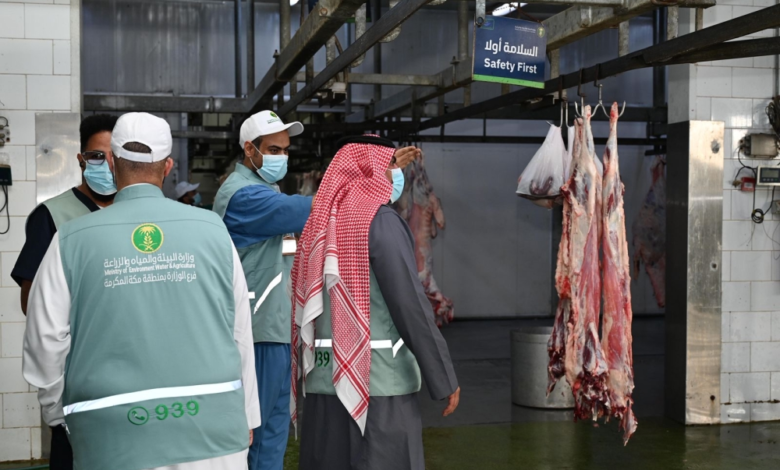
Regarding the readiness of slaughterhouses , the inspection teams focused particularly on evaluating the technical and medical staff and operational equipment. These procedures include ensuring that slaughtering processes adhere to Islamic law and health regulations, that facilities are clean, and that storage and transportation procedures are safe. This increased scrutiny of slaughterhouses stems from the high demand for red meat during Ramadan, necessitating close veterinary oversight to detect any animal diseases and guarantee that safe and wholesome meat reaches Ramadan tables.
Awareness and community partnership
The ministry's efforts were not limited to enforcement and penalties; they also included awareness and guidance programs targeting workers in related sectors to promote compliance with regulations. The ministry also disseminated awareness messages to consumers about the importance of following sound health practices when purchasing food products and how to verify their safety and quality, thus enhancing public awareness and making the community a partner in the regulatory process.
Call for cooperation and reporting
The ministry concluded by emphasizing the continued work of its inspection teams throughout the period leading up to and during Ramadan, urging business owners and their employees to fully cooperate with the field teams. It also encouraged citizens and residents to report any observed health or environmental violations through the available official channels, stressing that food safety is a shared responsibility requiring concerted efforts to ensure a safe and healthy Ramadan for all.