The Ministry of Environment reopens the process for deporting non-Saudi livestock through the Nama platform

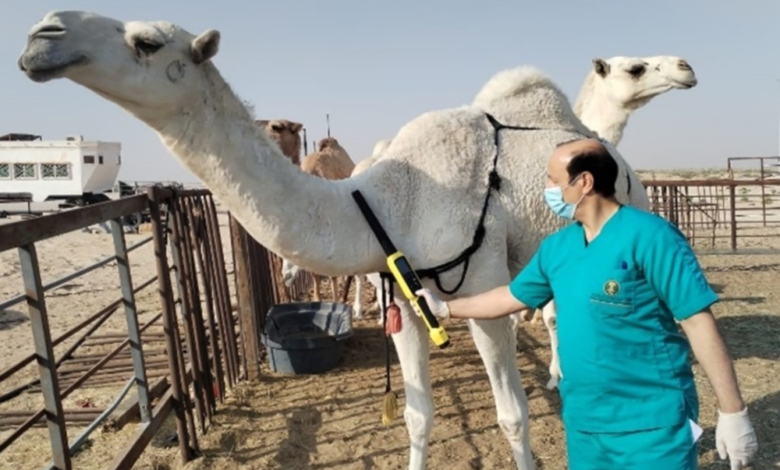
In an important regulatory step aimed at protecting the Kingdom’s natural resources, the Ministry of Environment, Water and Agriculture officially announced the reopening of the “return” process for camels and grazing livestock owned by non-Saudis to their countries of origin, through applications submitted via the Ministry’s “Nama” electronic portal.
Context of the decision and its environmental dimensions
This decisive step comes as an extension of the Kingdom of Saudi Arabia’s ongoing efforts to preserve vegetation cover and combat desertification, key objectives under the umbrella of “Vision 2030” and the goals of the Saudi Green Initiative launched by His Royal Highness the Crown Prince. Historically, Saudi rangelands have suffered from overgrazing and unregulated grazing, leading to the degradation of vast areas of natural land. For years, the Ministry has been working on enacting strict legislation to curb this phenomenon, including regulating livestock ownership by non-citizens, to ensure the restoration of ecological balance.
Application process and new conditions
The ministry has once again provided an opportunity for livestock owners and herders who were unable to leave during previous campaigns to apply electronically for a "return permit." The ministry has established precise regulatory controls to ensure a smooth process, with the regulations emphasizing the following requirements:
- Implementing all quarantine procedures approved in the Gulf region to ensure the safety of the herd.
- Full compliance with the animal welfare system during transport and relocation operations.
- Obtain a prior appointment and official approvals through the “Nama” platform before heading to the border crossings.
Expected economic and environmental impact
This decision is expected to alleviate the immense pressure on the Kingdom's natural rangelands and water resources. The presence of large numbers of unregistered livestock or livestock owned by non-residents is depleting government-subsidized feed and water resources. Locally, the removal of these livestock will help accelerate the recovery of vegetation in protected areas and open rangelands. Regionally, this measure will enhance the control of livestock movement across borders and reduce the risk of transboundary disease transmission, thus contributing to the biosecurity of the entire region.
Restructuring the livestock sector
It is worth noting that the ministry had previously conducted a seven-month campaign to deport foreign livestock, and is currently working in parallel on a massive national project to register livestock and restructure the sector. Inspection teams are intensifying their field visits to prevent the trade of unregistered camels and to control illegal grazing practices.
The relevant authorities called on all non-Saudi owners to quickly register via the designated link through the “Nama” portal to avoid any legal or administrative measures that may be taken against violators in the future, stressing that compliance with regulations is the only way to avoid accountability and contribute to protecting the Kingdom’s environment.