
في إطار الاستعدادات المتواصلة لاستقبال زوار المدينة المنورة بعد انتهاء موسم الحج، أعلن المركز الوطني للرقابة على الالتزام البيئي عن تكثيف جهوده الرقابية لضمان توفير بيئة صحية وآمنة لضيوف الرحمن. وتأتي هذه الخطوة ضمن خطة تشغيلية متكاملة تهدف إلى تعزيز الامتثال للمعايير البيئية في كافة المنشآت الخدمية والصحية بالمدينة، وذلك بالتنسيق مع الجهات الصحية والخدمية ذات العلاقة.
أهمية المدينة المنورة وسياق الجهود البيئية
تحظى المدينة المنورة بمكانة دينية عظيمة باعتبارها ثاني أقدس المدن الإسلامية، حيث يتوافد إليها ملايين الحجاج والزوار سنوياً بعد أداء مناسك الحج في مكة المكرمة لزيارة المسجد النبوي الشريف. هذا التدفق البشري الهائل يضع ضغطاً كبيراً على البنية التحتية والخدمات، مما يستدعي وجود منظومة رقابية صارمة للحفاظ على الصحة العامة وسلامة البيئة. وتندرج جهود المركز الوطني للالتزام البيئي ضمن إطار تاريخي طويل من حرص المملكة العربية السعودية على تقديم أرقى الخدمات لضيوف الرحمن، مع تبني أحدث الممارسات العالمية في الإدارة البيئية والاستدامة، بما يتماشى مع مستهدفات رؤية المملكة 2030.
جولات رقابية مكثفة على المنشآت الصحية
شملت الخطة تنفيذ جولات ميدانية استباقية استهدفت المنشآت الصحية والمراكز الموسمية المرتبطة مباشرة بخدمة الزوار. وأوضح المركز أن الفرق التفتيشية قامت بزيارة 10 مستشفيات و7 مراكز صحية مخصصة للحج والعمرة، بالإضافة إلى 5 مراكز على المنافذ والطرق و6 مراكز صحية مساندة. وتهدف هذه الجولات إلى التأكد من التزام هذه المنشآت بالأنظمة والاشتراطات البيئية المعتمدة، ورفع كفاءة الرقابة على المنشآت ذات الأثر البيئي، مما يعزز سلامة البيئة الصحية ويمنع أي تجاوزات قد تؤثر على صحة الزوار والمقيمين.
ضمان بيئة آمنة وصحية عبر إدارة النفايات
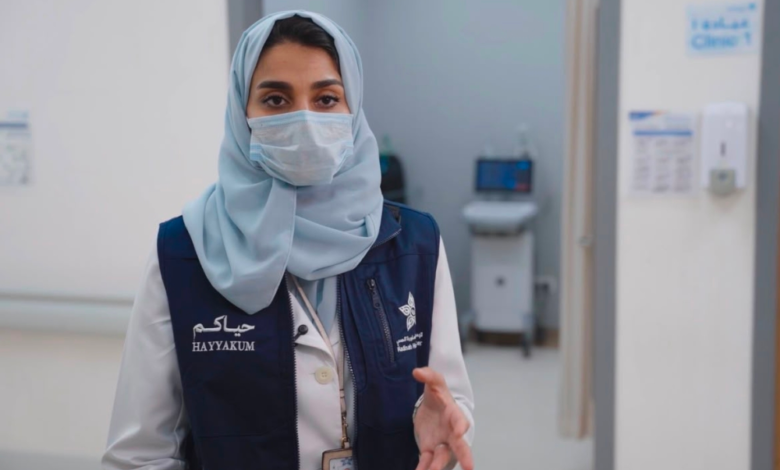
أكدت المفتشة البيئية هبة الشريف أن الجولات الرقابية تركز بشكل خاص على المنشآت الصحية ومراكز البعثات الطبية للحجاج، لضمان التزامها بالتعاقد مع جهات معتمدة ومؤهلة للتعامل مع النفايات بمختلف أنواعها. وقالت الشريف: “نركز في جولاتنا الرقابية والميدانية على المنشآت الصحية ومراكز البعثات الطبية للحجاج، والتأكد من تعاقدها مع جهات معتمدة ومؤهلة للتخلص من النفايات سواء كانت نفايات تجارية أو نفايات طبية خطرة، وذلك لضمان بيئة آمنة وصحية لضيوف الرحمن”.
من جانبها، أوضحت مدير إدارة النفايات الطبية الخطرة بتجمع المدينة المنورة الصحي، صفاء عربي، وجود متابعة يومية وفق خطة تشغيلية مجدولة لعمليات رفع ونقل النفايات الطبية الخطرة. وأضافت أن عمليات النقل تجري عبر مسارات آمنة وبعيدة عن مواقع تمركز وتجمع ضيوف الرحمن، مما يساهم في الحفاظ على السلامة العامة والحد من أي آثار بيئية محتملة.
الأثر المحلي والدولي لتعزيز الالتزام البيئي
لا تقتصر أهمية هذه الجهود على النطاق المحلي المتمثل في حماية بيئة المدينة المنورة وصحة سكانها وزوارها، بل تمتد لتشمل بعداً دولياً مهماً. إن نجاح المملكة في توفير تجربة حج وعمرة آمنة وصديقة للبيئة يعزز من مكانتها الرائدة في العالم الإسلامي ويؤكد على قدرتها على إدارة أكبر التجمعات البشرية بكفاءة واقتدار. ويعمل المركز على رصد أي تجاوزات بيئية من خلال أجهزة وتقنيات حديثة تدعم سرعة الاستجابة والتعامل الفوري مع الملاحظات، بما يضمن المحافظة على البيئة والصحة العامة في المواقع المرتبطة بخدمة الحجاج.