
في إطار الاستعدادات المكثفة لموسم حج 1447هـ، أعلنت وزارة الشؤون البلدية والقروية والإسكان، ممثلة في أمانة العاصمة المقدسة، عن تنفيذ عمليات واسعة النطاق للمكافحة والإصحاح البيئي شملت أكثر من 46 ألف موقع في مكة المكرمة والمشاعر المقدسة. تأتي هذه الجهود ضمن الخطة التشغيلية المتكاملة التي تهدف إلى توفير بيئة صحية وآمنة لضيوف الرحمن، وتعزيز معايير السلامة العامة خلال فترة الذروة التي يشهدها الموسم.
السياق العام وأهمية الإصحاح البيئي في الحج
يُعد موسم الحج أكبر تجمع بشري سنوي في العالم، حيث يفد ملايين المسلمين من مختلف أنحاء الأرض إلى بقعة جغرافية محددة لأداء المناسك. هذا التجمع الهائل يفرض تحديات لوجستية وصحية استثنائية، وعلى رأسها الحفاظ على الصحة العامة ومنع تفشي الأمراض. تاريخياً، أولت حكومة المملكة العربية السعودية اهتماماً بالغاً بتطوير منظومة الخدمات المقدمة للحجاج، ويحتل الإصحاح البيئي ومكافحة نواقل الأمراض أولوية قصوى في خططها السنوية لضمان سلامة الحجيج وتقديم تجربة روحانية آمنة وميسرة.
تفاصيل العمليات الميدانية
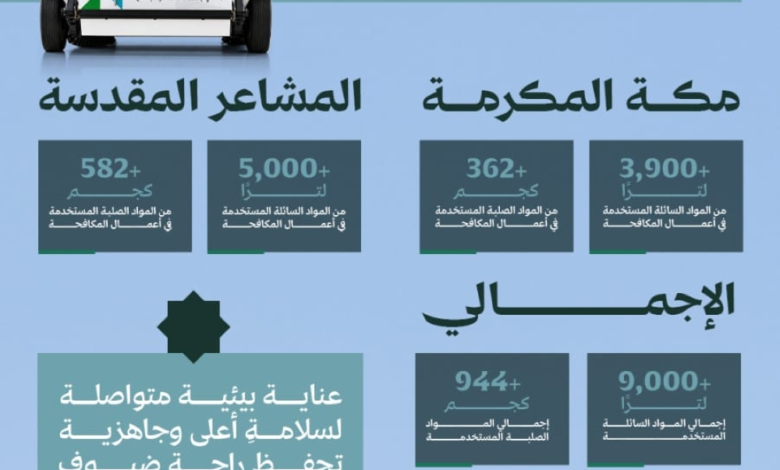
أوضحت الوزارة أن الفرق الميدانية المتخصصة التابعة لأمانة العاصمة المقدسة قامت بتنفيذ برامج مستمرة تهدف إلى الحد من مسببات التلوث ورفع مستوى الجاهزية البيئية. وقد تم استخدام كميات كبيرة من المواد المتخصصة في هذه العمليات، حيث تجاوز إجمالي المواد السائلة المستخدمة 9 آلاف لتر، بينما بلغ إجمالي المواد الصلبة حوالي 944 كيلوجرامًا. وجرى توظيف هذه المواد عبر خطط تشغيلية دقيقة وموزعة على المواقع المستهدفة وفقًا لاحتياجات كل منطقة وكثافتها التشغيلية.
وسجلت المشاعر المقدسة (منى، عرفات، مزدلفة) النسبة الأعلى من أعمال المكافحة، حيث استُخدم فيها أكثر من 5 آلاف لتر من المواد السائلة و582 كيلوجرامًا من المواد الصلبة، نظرًا للكثافة البشرية العالية التي تشهدها خلال أيام الحج. في المقابل، شهدت مكة المكرمة استخدام أكثر من 3900 لتر من المواد السائلة و362 كيلوجرامًا من المواد الصلبة.
الأهمية والتأثير المتوقع
تتجاوز أهمية هذه الجهود النطاق المحلي لتصل إلى المستوى الدولي. فعلى الصعيد المحلي، تساهم هذه العمليات في حماية الحجاج والمقيمين والعاملين في الموسم من الأمراض المنقولة عبر الحشرات والقوارض، وتضمن نظافة الأماكن المقدسة. أما على الصعيد الدولي، فإن نجاح المملكة في توفير بيئة صحية آمنة لملايين الحجاج يعزز من مكانتها كقائدة للعالم الإسلامي ويؤكد قدرتها على إدارة الحشود بكفاءة عالية، كما يمنع أي احتمالية لانتقال الأوبئة عالميًا، مما يجعله مساهمة مباشرة في الأمن الصحي العالمي.
وأكدت الوزارة أن هذه الأعمال تُنفذ عبر فرق متخصصة وآليات ميدانية مدعومة بأحدث المعدات وشاحنات النظافة وأجهزة الرش والمعالجة، مما يسهم في رفع كفاءة الأداء الميداني وتحقيق الاستجابة السريعة. وتستمر هذه الجهود على مدار الساعة ضمن منظومة متكاملة من الخدمات البلدية التي تشمل النظافة العامة، ومراقبة الأسواق والمطاعم، ومعالجة البلاغات، بهدف تقديم أفضل الخدمات لضيوف الرحمن.