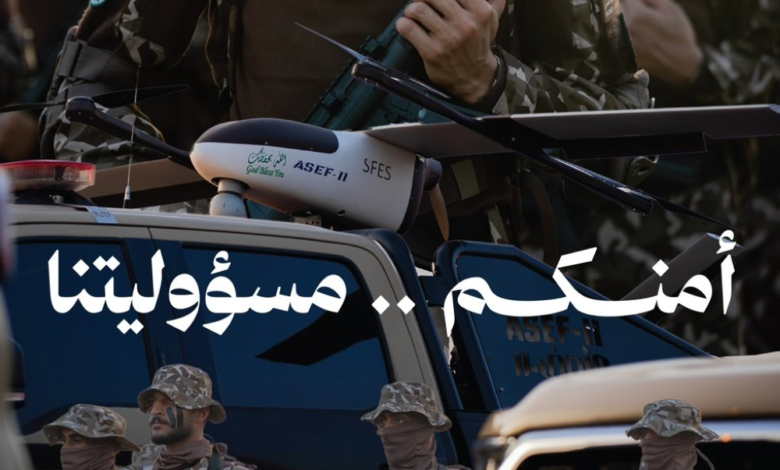

دور ريادي للقوات الخاصة للأمن البيئي في الحج
في إطار الجهود المستمرة التي تبذلها المملكة العربية السعودية لخدمة ضيوف الرحمن، أكد المتحدث الرسمي للقوات الخاصة للأمن البيئي، الرائد عبدالله بن محمد المرعول، على المشاركة الفاعلة للقوات ضمن منظومة قوات أمن الحج خلال موسم حج هذا العام. وتأتي هذه المشاركة الاستراتيجية بهدف رئيسي يتمثل في تعزيز أمن وسلامة حجاج بيت الله الحرام داخل المشاعر المقدسة، إلى جانب تقديم الدعم اللوجستي والميداني للجهود التنظيمية المرتبطة بإدارة الحشود المليونية.
السياق التاريخي والاهتمام المستدام بأمن الحجاج
تاريخياً، تولي المملكة العربية السعودية منذ توحيدها اهتماماً بالغاً بتأمين موسم الحج، حيث تتطور الخطط الأمنية عاماً بعد عام لتواكب الزيادة المستمرة في أعداد الحجاج. وفي السنوات الأخيرة، برز مفهوم “الأمن البيئي” كجزء لا يتجزأ من المنظومة الأمنية الشاملة. إن تأسيس القوات الخاصة للأمن البيئي ومشاركتها في الحج يعكس رؤية المملكة الحديثة التي لا تقتصر على الحماية الجسدية للحجاج فحسب، بل تمتد لتشمل حماية المحيط البيئي الذي يتواجدون فيه، مما يضمن بيئة صحية وآمنة خالية من المخاطر التي قد تنجم عن التجمعات البشرية الضخمة.
استراتيجية حفظ الأمن وإدارة الحشود في المشاعر المقدسة
وأوضح الرائد المرعول أن خطة عمل القوات ترتكز على محورين أساسيين؛ المحور الأول يُعنى بحفظ الأمن الشامل داخل المشاعر المقدسة، بينما يركز المحور الثاني على التنظيم الدقيق وإدارة الحشود. ويبرز هذا الدور بشكل خاص في مشعر منى والطرق الحيوية المؤدية من وإلى منشأة الجمرات. هذا التنظيم الدقيق يسهم بشكل مباشر في تحقيق الانسيابية المرورية وحركة المشاة، ويرفع من مستوى السلامة العامة للحجاج أثناء تنقلاتهم لأداء مناسكهم.
ولضمان تنفيذ هذه المهام بكفاءة عالية، قامت القوات بدفع كوادر بشرية متخصصة، مؤهلة ومدربة على أعلى المستويات للتعامل مع كافة السيناريوهات والحالات الميدانية. كما تم دمج التقنيات الحديثة والأنظمة الذكية لدعم العمل الأمني والمراقبة داخل المشاعر المقدسة، مما يتيح استجابة سريعة وفعالة.
جولات ميدانية مشتركة لحماية البيئة
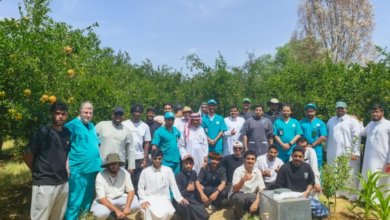
لا تقتصر مهام القوات على الجانب الأمني التقليدي، بل تتعداه لتشمل مهام بيئية حيوية. فقد بيّن المرعول أن هناك تعاوناً وثيقاً مع مختلف الجهات البيئية المشاركة في موسم الحج. ويتمثل هذا التعاون في تنفيذ جولات ميدانية مشتركة ومكثفة تهدف إلى المحافظة على البيئة وضمان سلامة المواقع داخل المشاعر المقدسة، وذلك انطلاقاً من الاختصاصات الأصيلة للقوات.
الأهمية والتأثير المحلي والدولي
إن نجاح هذه الجهود المتكاملة له تأثيرات واسعة النطاق. على الصعيد المحلي، يعزز من كفاءة البنية التحتية والخدمية في مكة المكرمة ويحمي مقدراتها البيئية. أما على الصعيدين الإقليمي والدولي، فإن قدرة المملكة على إدارة حشود مليونية في مساحة جغرافية محدودة، مع الحفاظ على أعلى معايير الأمن والسلامة البيئية، يقدم نموذجاً عالمياً يُحتذى به في إدارة التجمعات البشرية الكبرى. هذا التكامل بين مختلف الجهات الأمنية والخدمية يعكس حجم الجهود الجبارة المبذولة لإنجاح الموسم.
وفي ختام تصريحاته، أعرب الرائد المرعول عن تطلعاته بأن يحقق موسم الحج النجاح المأمول، وأن يمنّ الله على حجاج بيته الحرام بأداء مناسكهم في أجواء يسودها الأمن والراحة والطمأنينة، وأن يعودوا إلى أوطانهم سالمين غانمين.