
مقدمة عن الوضع الصحي المتردي
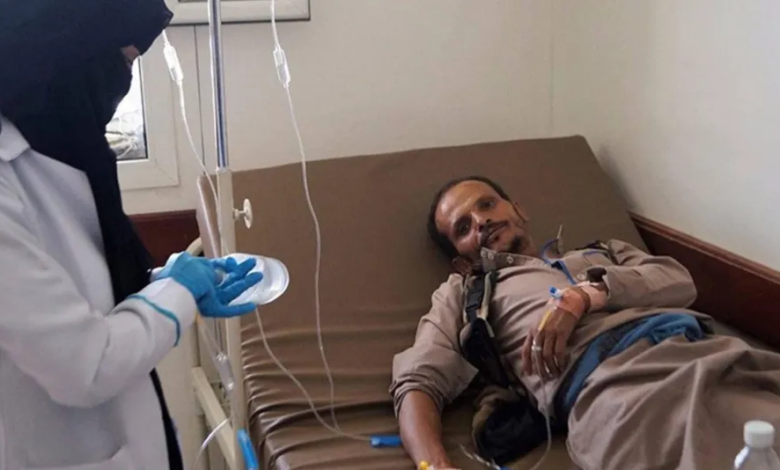
يعيش اليمنيون في مناطق سيطرة الحوثيين أزمة صحية غير مسبوقة، حيث تتفشى الأوبئة والأمراض المعدية بشكل يهدد حياة الملايين. تأتي هذه الأزمة كنتيجة مباشرة لانهيار النظام الصحي وتدهور البنية التحتية، مما جعل المواطنين فريسة سهلة لأمراض كان من الممكن الوقاية منها وعلاجها في الظروف الطبيعية.
السياق العام والخلفية التاريخية للوضع الصحي في اليمن
منذ تصاعد النزاع المسلح في اليمن أواخر عام 2014، تعرض القطاع الصحي لضربات قاصمة. تشير تقارير منظمة الصحة العالمية إلى أن أكثر من نصف المرافق الصحية في البلاد إما دمرت بالكامل أو خرجت عن الخدمة، وما تبقى منها يعمل بنصف طاقته ويفتقر إلى المعدات الأساسية والأدوية والكوادر الطبية. في مناطق سيطرة الحوثيين، تفاقمت الأزمة بسبب انقطاع رواتب العاملين في القطاع الصحي لسنوات، بالإضافة إلى القيود المفروضة على استيراد الأدوية وتوزيع المساعدات الطبية.
علاوة على ذلك، شهدت هذه المناطق حملات ممنهجة ضد اللقاحات، حيث روجت بعض القيادات الحوثية لخطابات تشكك في مأمونية اللقاحات وتعتبرها مؤامرة دولية. هذا النهج أدى إلى تراجع حاد في معدلات التحصين، مما مهد الطريق لعودة أمراض قاتلة مثل شلل الأطفال، الحصبة، والدفتيريا، بعد أن كانت اليمن قد حققت تقدماً كبيراً في القضاء عليها في العقود الماضية.
أبرز الأوبئة المنتشرة وتأثيرها المحلي
يعد الكوليرا من أبرز الأوبئة التي عصفت باليمنيين، حيث سجلت البلاد واحدة من أكبر موجات تفشي الكوليرا في التاريخ الحديث بين عامي 2017 و2019، ولا تزال بؤر المرض تظهر بين الحين والآخر بسبب تلوث المياه وانهيار شبكات الصرف الصحي. إلى جانب الكوليرا، تنتشر حمى الضنك والملاريا بشكل واسع، خاصة في مواسم الأمطار.
على الصعيد المحلي، يقع العبء الأكبر على الفئات الأشد ضعفاً، وهم الأطفال والنساء الحوامل وكبار السن. ترتفع معدلات الوفيات بشكل مخيف، وتجد العائلات اليمنية نفسها عاجزة عن تحمل تكاليف العلاج في المستشفيات الخاصة، أو حتى تكاليف النقل للوصول إلى المراكز الصحية المتبقية، مما يعمق من المأساة الإنسانية والاقتصادية للأسرة اليمنية.
التأثير الإقليمي والدولي للأزمة الصحية
لا تقتصر تداعيات تفشي الأوبئة في اليمن على الداخل فحسب، بل تمثل تهديداً للأمن الصحي الإقليمي. الأمراض المعدية لا تعترف بالحدود، وحركة النزوح المستمرة واللجوء قد تؤدي إلى انتقال هذه الأوبئة إلى الدول المجاورة، مما يضع ضغوطاً إضافية على الأنظمة الصحية في المنطقة بأسرها.
دولياً، تمثل الأزمة الصحية في اليمن تحدياً كبيراً للمجتمع الدولي والمنظمات الإنسانية. تواجه وكالات الأمم المتحدة، مثل اليونيسف ومنظمة الصحة العالمية، عقبات بيروقراطية وأمنية هائلة في تنفيذ برامجها الإغاثية وحملات التطعيم في مناطق سيطرة الحوثيين. وتستمر الأمم المتحدة في تصنيف الوضع في اليمن كواحد من أسوأ الأزمات الإنسانية في العالم، داعية إلى ضرورة تحييد القطاع الصحي عن الصراعات السياسية والعسكرية.
خلاصة
إن استمرار تدهور الوضع الصحي وتفشي الأوبئة في مناطق سيطرة الحوثيين ينذر بكارثة إنسانية أعمق. يتطلب الأمر تدخلاً دولياً عاجلاً للضغط من أجل السماح بحملات التطعيم الشاملة، وتسهيل وصول المساعدات الطبية دون قيد أو شرط، لإنقاذ ما يمكن إنقاذه من أرواح اليمنيين الأبرياء الذين يدفعون الثمن الأكبر لهذا الصراع المستمر.