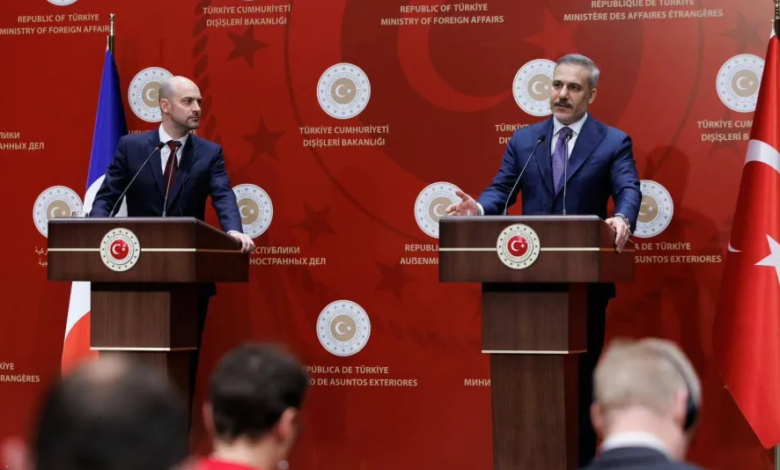

In a strategic move aimed at reshaping the landscape in northern Syria, Turkish President Recep Tayyip Erdogan announced the launch of a broad reconstruction campaign in Syria, while simultaneously stressing the need to resolve the issue of the Syrian Democratic Forces (SDF) to ensure regional stability.
Voluntary Return and Reconstruction Project
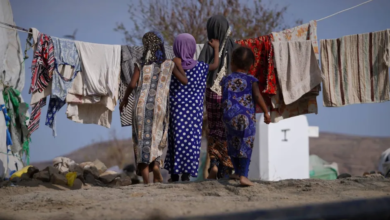
The Turkish president's remarks come in the context of Ankara's ambitious plan to encourage the voluntary return of the more than 3.5 million Syrian refugees residing in Turkey. The reconstruction campaign includes the development of comprehensive infrastructure, such as the construction of housing units (brick houses), schools, hospitals, and service facilities in areas controlled by Turkish forces and their allied factions in northern Syria, including Jarabulus, al-Bab, Afrin, and Idlib.
Through this project, Turkey seeks to create a stable “safe zone” that would allow the return of about one million Syrian refugees, thus easing the internal economic, social and political pressure in Turkey, especially with the approach of elections and the increasing political discourse related to the refugee issue.
The security context and the SDF file
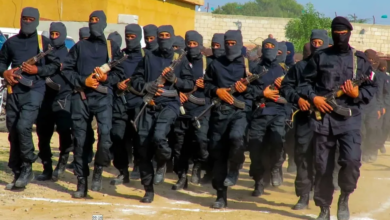
Erdogan's speech was not limited to urban and humanitarian aspects; he also focused heavily on security and political matters, emphasizing the need to address the issue of the Syrian Democratic Forces (SDF). Ankara considers the SDF, whose backbone is the Kurdish People's Protection Units (YPG), to be an extension of the Kurdistan Workers' Party (PKK), which is designated as a terrorist organization in Türkiye.
The emphasis on “integrating” or resolving the SDF dilemma indicates Turkey’s desire to end what it describes as a “terrorist corridor” on its southern border. These statements coincide with regional diplomatic efforts, including potential normalization talks with the Syrian regime under Russian auspices, where both Damascus and Ankara—despite their differing motivations—are conditioning their engagement on reducing the influence of the Autonomous Administration in northeastern Syria.
Regional and international dimensions
This announcement carries significant geopolitical dimensions. Internationally, it puts Turkey on a diplomatic collision course with the United States, which supports the Syrian Democratic Forces (SDF) as a local partner in the fight against ISIS. Regionally, the success of the reconstruction project could alter the demographics and geopolitical landscape of northern Syria, solidifying Turkey's influence as an indispensable player in any final political settlement to the Syrian crisis.
Combining “reconstruction” and “security” reflects an integrated Turkish strategy aimed at transforming border areas from zones of military conflict into stable areas of influence, ensuring Turkey’s national security and providing a sustainable solution to the refugee crisis that has lasted for more than a decade.