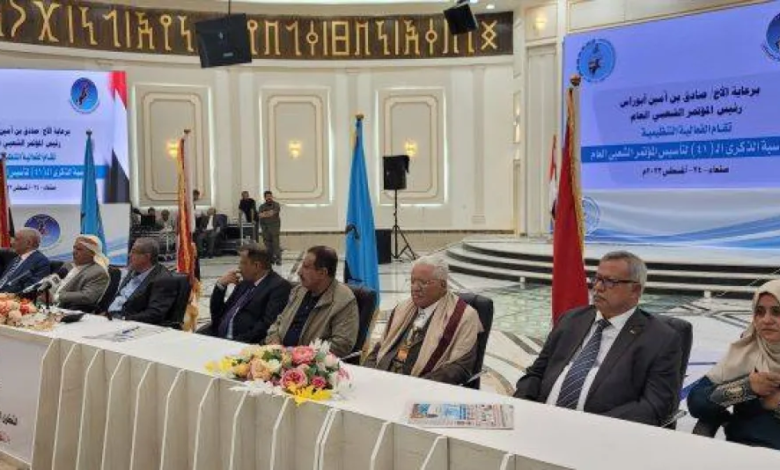

تشهد العاصمة اليمنية صنعاء حالة من الاحتقان السياسي والتوتر المتصاعد بين جماعة الحوثي (أنصار الله) وجناح حزب المؤتمر الشعبي العام المتواجد في مناطق سيطرتهم، في مؤشر جديد على هشاشة التحالف القائم بين الطرفين منذ سنوات. وتأتي هذه التوترات كجزء من سلسلة طويلة من الخلافات التي تطفو على السطح بين الحين والآخر، لتعكس عمق الفجوة في الرؤى والأهداف بين شريكي السلطة المفترضة في صنعاء.
جذور الخلاف والسياق التاريخي
لا يمكن قراءة التوتر الحالي بمعزل عن الخلفية التاريخية الدامية التي حكمت العلاقة بين الطرفين، وتحديداً منذ أحداث ديسمبر 2017 التي انتهت بمقتل الرئيس السابق علي عبد الله صالح، مؤسس حزب المؤتمر، على يد حلفائه الحوثيين. منذ ذلك الحين، تعرض جناح الحزب في صنعاء لعمليات تهميش ممنهجة، حيث سعت الجماعة إلى تقليص نفوذه السياسي والإداري، وتحويله إلى مجرد واجهة سياسية لإضفاء الشرعية على سلطتها، دون منحه صلاحيات حقيقية في إدارة مؤسسات الدولة.
أسباب التصعيد الحالي
تشير المعطيات الميدانية والسياسية إلى أن أسباب التوتر المتجدد تعود إلى محاولات الحوثيين المستمرة لفرض تغييرات جذرية في المناهج التعليمية والهوية الثقافية للدولة، وهو ما يثير حفيظة قواعد وقيادات المؤتمر الشعبي العام التي ترى في ذلك طمساً لهوية النظام الجمهوري ومبادئ ثورة 26 سبتمبر. بالإضافة إلى ذلك، تتصاعد الشكاوى من إقصاء الكوادر المؤتمرية من المناصب الحكومية واستبدالهم بعناصر موالية عقائدياً للجماعة، فضلاً عن التضييق على الأنشطة والفعاليات الخاصة بالحزب.
التداعيات المحتملة محلياً وإقليمياً
يحمل هذا التصعيد دلالات خطيرة على مستوى المشهد اليمني؛ فداخلياً، قد يؤدي استمرار الضغط على جناح المؤتمر إلى مزيد من الانقسامات أو حتى الانهيار الكامل لهذا التحالف الصوري، مما قد يدفع ببعض القيادات إلى الهروب أو الانكفاء، وهو ما يضعف الجبهة الداخلية في مناطق سيطرة الحوثيين. إقليمياً ودولياً، يراقب المبعوث الأممي والأطراف الدولية هذه التطورات عن كثب، حيث أن تفرد الحوثيين الكامل بالسلطة وإقصاء الشركاء قد يعقد مسارات التسوية السياسية الشاملة، ويؤكد المخاوف من صعوبة التوصل إلى حلول توافقية في ظل هيمنة طرف واحد يرفض الشراكة الحقيقية.
وفي الختام، يبقى المشهد في صنعاء مفتوحاً على كافة الاحتمالات، حيث يرى مراقبون أن حزب المؤتمر يواجه تحدياً وجودياً في الحفاظ على ما تبقى من كيانه داخل مناطق نفوذ الجماعة، في حين تسعى الأخيرة لترسيخ حكمها الفردي متجاوزة أي اعتبارات للشراكة الوطنية.