
انطلاقة دولية نحو مستقبل زراعي واعد
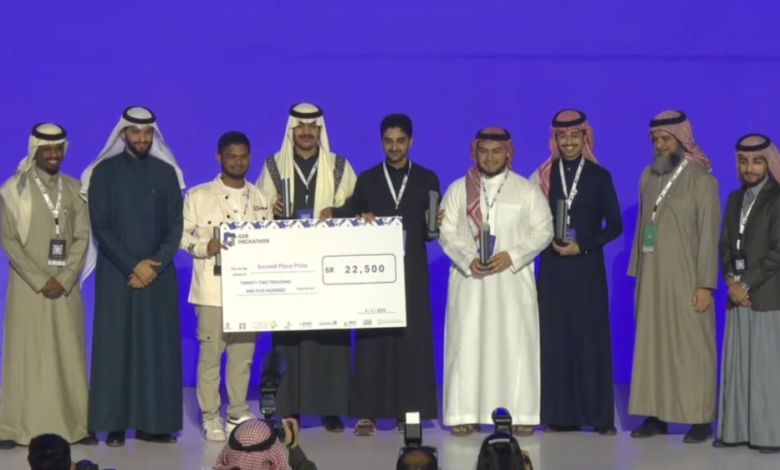
في خطوة استراتيجية تعكس التزام المملكة العربية السعودية بتعزيز الأمن الغذائي والابتكار التكنولوجي، قاد المركز الوطني لأبحاث وتطوير الزراعة المستدامة (استدامة) مسار الزراعة المستدامة ضمن المرحلة الأولى من هاكاثون ‘جسر’. هذا الحدث التقني البارز، الذي تنظمه جامعة الملك فهد للبترول والمعادن، يمثل منصة عالمية رائدة تجمع العقول المبدعة لإيجاد حلول جذرية للتحديات البيئية والزراعية التي تواجه العالم اليوم.
السياق العام وتاريخ التحول الزراعي في المملكة
تاريخياً، واجهت المملكة العربية السعودية والعديد من دول منطقة الشرق الأوسط تحديات كبيرة في القطاع الزراعي بسبب الطبيعة الصحراوية القاسية، وندرة المياه الجوفية، وارتفاع درجات الحرارة. ومع إطلاق رؤية السعودية 2030، برزت الحاجة الملحة للتحول نحو ‘الزراعة المستدامة’ والاعتماد على التقنيات الحديثة (AgriTech) لتقليل استهلاك المياه وزيادة الكفاءة الإنتاجية. وفي هذا السياق، تأسس مركز ‘استدامة’ ليكون الذراع البحثي والتطبيقي الذي يقود هذا التحول، ويعمل على توطين التقنيات الزراعية الحديثة وتكييفها مع البيئة المحلية لضمان استمرارية الموارد للأجيال القادمة.
دور مركز ‘استدامة’ في هاكاثون جسر
تولى مركز ‘استدامة’ قيادة مسار الزراعة المستدامة في الهاكاثون بشكل كامل وشامل. شملت مهام المركز تصميم التحديات العلمية والتقنية، والإشراف الفني الدقيق على المشاريع المقدمة، وصولاً إلى إدارة أعمال التحكيم الافتراضي. هذا الدور المحوري يضمن توجيه مخرجات الهاكاثون نحو ابتكار حلول واقعية، قابلة للتطبيق الفعلي، وذات أثر بيئي واقتصادي مستدام.
مشاركة دولية واسعة وتحديات القطاع الزراعي
شهد المسار إقبالاً كبيراً، حيث سجل فيه 128 فريقاً، تأهل منهم 25 فريقاً إلى المرحلة الافتراضية لاستكمال تطوير مشاريعهم ضمن برنامج تأهيلي مكثف تضمن ورش عمل وجلسات توجيهية. وما يميز هذا الحدث هو حجم المشاركة الدولية التي ضمت 9 دول هي: المملكة العربية السعودية، المملكة المتحدة، البحرين، العراق، سلطنة عُمان، إندونيسيا، بنغلاديش، باكستان، والهند.
وقد ركزت الفرق المشاركة على معالجة أبرز التحديات التي تواجه القطاع الزراعي، وفي مقدمتها:
- ندرة المياه وكيفية رفع كفاءة استخدام الموارد المائية.
- انخفاض الإنتاجية الزراعية وسبل تحسينها بالتقنية.
- محدودية الوصول إلى الأسواق وسلاسل الإمداد.
- التكيف مع الظروف المناخية القاسية والتغير المناخي العالمي.
الأهمية والتأثير المتوقع (محلياً، إقليمياً، ودولياً)
تتجاوز أهمية هاكاثون ‘جسر’ ومسار الزراعة المستدامة الحدود المحلية لتشمل أبعاداً إقليمية ودولية. على الصعيد المحلي: تسهم هذه الابتكارات في تحقيق مستهدفات رؤية 2030 المتعلقة بالأمن الغذائي والمائي، ودعم الاقتصاد الوطني من خلال تقليل الاعتماد على الاستيراد. على الصعيد الإقليمي: تقدم الحلول المطورة نموذجاً يمكن استنساخه في دول الخليج والشرق الأوسط التي تتشارك نفس التحديات المناخية والجغرافية. على الصعيد الدولي: يؤكد هذا الحدث مكانة المملكة كمنصة عالمية تستقطب العقول الابتكارية، وتساهم بفعالية في تحقيق أهداف التنمية المستدامة للأمم المتحدة (SDGs)، خاصة فيما يتعلق بالقضاء على الجوع والعمل المناخي.
في الختام، يعكس هذا الإنجاز مكانة ‘استدامة’ كممكن رئيسي لمنظومة الابتكار الزراعي، محولاً التحديات الصعبة إلى فرص استثمارية وتنموية واعدة، ترسم ملامح مستقبل زراعي أخضر ومستدام.