
Details of the tragedy: The number of victims and missing persons is rising
A tragic natural disaster has struck the Gamo region of southern Ethiopia, with local authorities reporting that the death toll from a landslide has risen from 30 to at least 52. The Gamo regional government communications office confirmed in an official statement today that the disaster is far from over, with approximately 50 people still missing. The devastating landslide was triggered by torrential and continuous rainfall that swept through the region this week, saturated the soil, and caused mudslides and rockfalls to engulf the homes of residents.
General context and historical background of the collapses in Ethiopia
Ethiopia, with its mountainous geography and rugged terrain, is one of the African countries most prone to landslides, particularly in southern regions like Gamo and Gofa. These incidents typically coincide with the peak of the summer rainy season, known locally as Kermit, which lasts from June to September each year. Historically, these areas have witnessed similar incidents that have claimed hundreds of lives. The steep slopes, unregulated agriculture, and deforestation contribute to soil erosion, making mountain villages extremely dangerous during the heavy rainy season.
The impact of climate change on the East Africa region
This landslide in Ethiopia cannot be separated from the broader regional context of climate change impacting East Africa and the Horn of Africa. In recent years, the region has experienced extreme weather events, oscillating between severe droughts and unprecedented torrential rains, often attributed to global climate change. These heavy rains cause devastating floods and landslides that not only claim human lives but also destroy essential infrastructure such as roads and bridges, inundate farmland, and kill livestock, threatening the food security of millions in the region.
Humanitarian consequences and ongoing rescue efforts
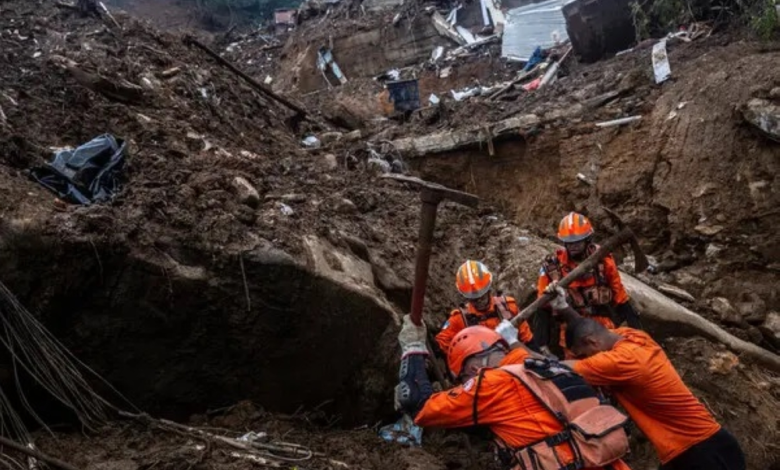
Locally, this event has a devastating humanitarian impact. With 50 people still missing, local rescue teams, supported by residents often using simple hand tools, are racing against time to search for survivors buried under the mud and debris. These teams face significant challenges due to continued rainfall and the difficulty of accessing affected areas because of road closures. Regionally and internationally, these recurring disasters highlight the urgent need to strengthen early warning systems, provide international support for relief efforts, and develop strategic plans to relocate vulnerable communities to safer areas to prevent such tragedies from recurring in the future.