The European Union allows for the settlement of prices for Chinese electric cars

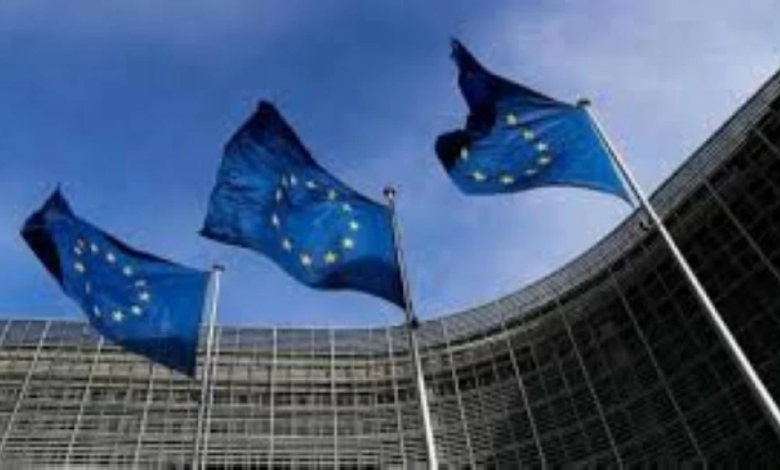
In a significant development aimed at defusing the escalating trade crisis between Brussels and Beijing, the European Union has published new guidelines opening the door for Chinese electric vehicle manufacturers to submit bids that meet a minimum price requirement. This move comes as an attempt to contain the ongoing dispute over Chinese government subsidies for electric vehicles, which Europe considers a threat to its domestic industry.
The European Commission explained in an official statement that the new guidance document allows Chinese companies to submit what are known as "price commitments." Under this mechanism, companies can avoid punitive tariffs if they commit to selling their cars at a price no lower than a certain agreed-upon threshold. The Commission stipulated that these offers must include detailed information about the companies' future investments within the European Union, emphasizing that all offers will be subject to rigorous legal and technical evaluation, based on objective and non-discriminatory criteria, and in full compliance with World Trade Organization rules.
Context and background of the crisis
The roots of this dispute lie in the European Commission's investigations into government subsidies received by Chinese automakers, which allow them to sell their vehicles on the global market at artificially low prices, thus harming fair competition with European manufacturers. The EU has previously threatened to impose hefty additional tariffs on Chinese imports of electric vehicles, raising fears of a full-blown trade war that could damage the global economy.
Mechanism for compensating for harmful effects
Under the currently proposed mechanism, tariffs could be lifted for any company whose price commitment is accepted by the Commission, provided that the minimum import price is sufficient to offset the harmful effects of Chinese government subsidies. Brussels considers these subsidies to be widespread and deeply entrenched within the Chinese industrial sector, thus necessitating corrective measures to protect the European market.
Chinese welcome and economic dimensions
For its part, the Chinese Ministry of Commerce was quick to welcome the move, emphasizing that it reflects a spirit of dialogue and a mutual desire to resolve disputes through diplomatic channels and consultation. Beijing believes this approach serves the interests of Sino-European trade relations and strengthens the rules-based international trading system.
Economic observers believe that this potential settlement could be the best way out for both parties; on the one hand, it protects European industry from price dumping, and on the other hand, it ensures that China continues to export to one of its largest markets, while encouraging direct Chinese investment within Europe, which could create new job opportunities and contribute to the localization of technology.