Europe's energy price crisis: Will the European Union take emergency measures?

Europe's energy price crisis worsens amid geopolitical tensions
Amid escalating global events, EU energy ministers held intensive discussions on ways to mitigate the serious repercussions of soaring energy prices. This urgent action comes in response to the volatility stemming from rising geopolitical tensions, particularly those related to the US-Israeli conflict and its impact on Iran and the wider Middle East. Given the EU's heavy reliance on oil and gas imports to meet its needs, it remains highly vulnerable to global price fluctuations, leading many officials and economic analysts to question the bloc's ability to find swift and effective solutions to protect its economies.
Historical context: The fragility of European energy security
To understand the scale of the current crisis, one must consider the recent historical context of energy security in Europe. Since the outbreak of the Russian-Ukrainian war in early 2012, the European Union has been forced to radically shift its energy policies, abandoning its heavy reliance on cheap Russian gas. To compensate for this shortfall, European countries have turned to importing liquefied natural gas (LNG) at higher prices and have strengthened their partnerships with alternative suppliers. This strategic shift has made the European market highly sensitive to any security disruptions in shipping lanes or global production areas, which explains the current state of alert with every new escalation of tensions in the Middle East.
Emergency measures proposed by the European Commission
To address these challenges, informed officials revealed that the European Commission – the EU's executive body – is currently drafting a package of emergency measures. This plan includes exploring direct government support for affected, energy-intensive industries, as well as reducing national energy taxes to ease the burden on consumers. Furthermore, there is an intention to leverage an upcoming review of the EU's carbon market, a move aimed at lowering carbon prices by increasing the supply of emissions permits, which would positively impact the cost of electricity generation.
The stance of European officials on supply stability
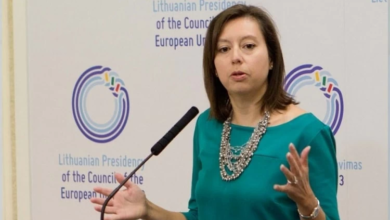
In an effort to reassure markets, EU Energy Commissioner Dan Jorgensen told reporters, "We are facing a price crisis." However, he emphasized that the EU's oil and gas supplies remain secure and stable, explaining that most current imports come from the United States and Norway, suppliers not directly affected by any potential production cuts in the Middle East. Meanwhile, German Energy Minister Katarina Reich reiterated the EU's firm stance toward Moscow, stating, "Resuming gas supplies from Russia would mean returning to a completely unsafe situation and supporting a warmongering state, which is absolutely out of the question.".
Economic impacts: locally, regionally, and internationally
Europe’s energy price crisis has far-reaching consequences. Domestically, soaring energy costs threaten the competitiveness of major European industries and fuel inflation, further straining household budgets. Internationally, Europe’s reliance on high-priced liquefied natural gas (LNG) purchases intensifies global competition, depriving many developing countries in Asia and Africa of access to affordable energy supplies and creating a global energy crisis indirectly.
Next steps and the upcoming European summit
Jorgensen explained that Brussels currently prefers to focus on preparing "targeted, short-term" measures to avoid embarking on a comprehensive and complex redesign of the European electricity market, despite calls from several governments, including Austria, for deeper structural reforms. In a significant move, European Commission President Ursula von der Leyen stated that Brussels is seriously considering a proposal to cap gas prices. Von der Leyen is expected to send a shortlist of these emergency options to EU leaders this week, ahead of discussions and approval at the crucial summit scheduled for next Thursday.