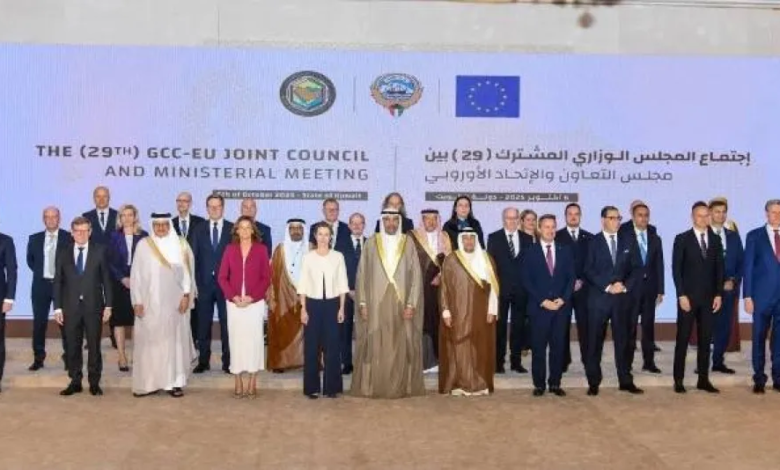
European-Gulf ministerial meeting to discuss the Iranian crisis and regional security

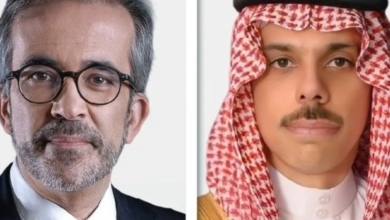
All eyes will be on a high-level ministerial meeting next Thursday between the foreign ministers of the Gulf Cooperation Council (GCC) countries and their counterparts in the European Union, in a diplomatic move aimed at coordinating common positions on escalating geopolitical challenges, most notably the Iranian crisis and its repercussions on regional and international security.
Context of European-Gulf Cooperation
This meeting comes within the framework of the ongoing strategic dialogue between the two blocs, which is based on a long history of diplomatic and economic relations dating back to the cooperation agreement signed in 1988. Through these periodic meetings, both sides seek to strengthen their strategic partnership and unify their perspectives on complex issues. This session is particularly important given the sensitive timeframe in the Middle East, where Europe is striving to play an effective mediating role to maintain diplomatic channels, while the Gulf states emphasize the need for genuine security guarantees.
The Iranian Crisis: The Nuclear File and Regional Influence
The Iranian issue tops the agenda of the talks, with ministers expected to discuss at length the stalled negotiations on the nuclear agreement (the Joint Comprehensive Plan of Action). Indications suggest that the Gulf states will emphasize that any future understandings with Tehran must not be limited to the nuclear issue alone, but must also encompass Iran's ballistic missile program and its destabilizing activities in the region, including its support for militias in Yemen, Lebanon, and Syria.
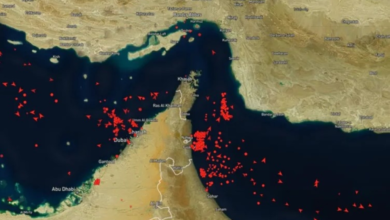
For its part, the European Union is seeking to explore ways to reduce tensions in the Arabian Gulf region and ensure the safety of maritime navigation in vital waterways such as the Strait of Hormuz, which is a major artery for global energy supplies.
Strategic importance and impact of the event
This ministerial meeting carries broad implications that extend beyond regional boundaries. Internationally, European-Gulf coordination represents a cornerstone for ensuring global energy security, particularly in light of the turmoil in oil and gas markets. The meeting also reflects a growing European desire to strengthen its political engagement in Gulf security, moving beyond mere trade and economic relations.
In conclusion, the meeting is expected to issue a final statement affirming established international principles, such as respect for the sovereignty of states, good neighborliness, and the categorical rejection of the proliferation of weapons of mass destruction, thus setting a roadmap for dealing with upcoming challenges through unified diplomatic efforts.