استجابة الاتحاد الأوروبي لحرائق الغابات: خطة تاريخية لمواجهة الصيف

أعلن الاتحاد الأوروبي عن إطلاق أكبر استجابة منسقة لمكافحة حرائق الغابات في تاريخه، في خطوة استباقية تهدف إلى تعزيز الجاهزية لمواجهة موسم الحرائق القادم الذي يتوقع أن يكون حادًا بسبب التغيرات المناخية. تأتي هذه الخطوة في إطار آلية الحماية المدنية التابعة للاتحاد، وتؤكد على التزام التكتل بالعمل الجماعي لمواجهة الكوارث الطبيعية المتزايدة. وتعد هذه العملية شهادة على تطور استراتيجيات مواجهة الأزمات، خاصة بعد الدروس المستفادة من مواسم الحرائق المدمرة التي شهدتها القارة في السنوات الأخيرة.
على مدار العقد الماضي، أصبحت حرائق الغابات أكثر تواترًا وشدة في جميع أنحاء أوروبا، ولم تعد تقتصر على دول حوض البحر الأبيض المتوسط. ففي أعوام سابقة، امتدت الحرائق لتشمل دولًا في وسط وشمال أوروبا، مما دق ناقوس الخطر وأبرز الحاجة الماسة إلى نهج أوروبي موحد. لقد كشفت حرائق اليونان وإسبانيا والبرتغال وفرنسا في السنوات الأخيرة عن حجم التحدي، حيث أتت النيران على مئات الآلاف من الهكتارات من الغابات والمناطق الزراعية، وهجّرت الآلاف من السكان، وتسببت في خسائر اقتصادية وبيئية فادحة. هذه الخلفية هي التي دفعت المفوضية الأوروبية إلى تعزيز أسطولها وقدراتها ضمن برنامج “rescEU” لضمان استجابة أسرع وأكثر فعالية.
ما هي تفاصيل استجابة الاتحاد الأوروبي لحرائق الغابات؟
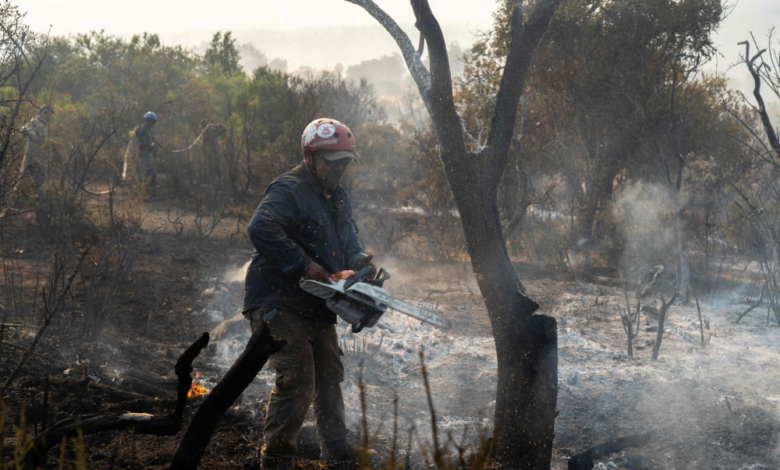
وفقًا لبيان المفوضية الأوروبية، سيتم نشر 777 رجل إطفاء من 14 دولة بشكل استراتيجي في مواقع عالية الخطورة خلال فصل الصيف. ستتمركز هذه الفرق في دول مثل قبرص، واليونان، وإيطاليا، وفرنسا، وإسبانيا، والبرتغال، وهي الدول الأكثر عرضة لخطر الحرائق. ويمثل هذا العدد أعلى مستوى من المشاركة منذ بدء برنامج التموضع المسبق في عام 2022. بالإضافة إلى القوة البشرية، تم تخصيص أسطول جوي ضخم يضم 22 طائرة إطفاء و5 مروحيات، ستكون في حالة تأهب قصوى لتقديم الدعم الفوري للدول المتضررة التي قد تتجاوز قدراتها الوطنية إمكانيات السيطرة على الحرائق.
تكنولوجيا متقدمة وتنسيق مركزي
لا تقتصر الاستجابة على الموارد البشرية والمعدات فحسب، بل تعتمد أيضًا على التكنولوجيا المتقدمة. سيعمل مركز تنسيق الاستجابة للطوارئ (ERCC) على مدار الساعة لمراقبة مخاطر الحرائق وتنسيق عمليات النشر. ويتم دعم المركز بتحليلات علمية وأرصاد جوية دقيقة، بالإضافة إلى بيانات الأقمار الصناعية من برنامج “كوبرنيكوس” الأوروبي، مما يسمح بتوقع انتشار الحرائق وتوجيه الموارد إلى المناطق الأكثر حاجة بكفاءة عالية. هذا التكامل بين القوة الميدانية والتكنولوجيا المتقدمة يمثل نقلة نوعية في إدارة الكوارث على مستوى القارة.
إن هذه العملية المنسقة لا تهدف فقط إلى إخماد الحرائق، بل تحمل في طياتها رسالة تضامن قوية بين الدول الأعضاء. ففي مواجهة أزمة المناخ التي لا تعرف حدودًا، يصبح التعاون الدولي ضرورة حتمية. ومن المتوقع أن تساهم هذه الجهود في حماية الأرواح والممتلكات، والحفاظ على النظم البيئية الثمينة، وتقليل التأثير الاقتصادي المدمر لحرائق الغابات، مما يعزز قدرة أوروبا على الصمود في وجه التحديات المستقبلية.