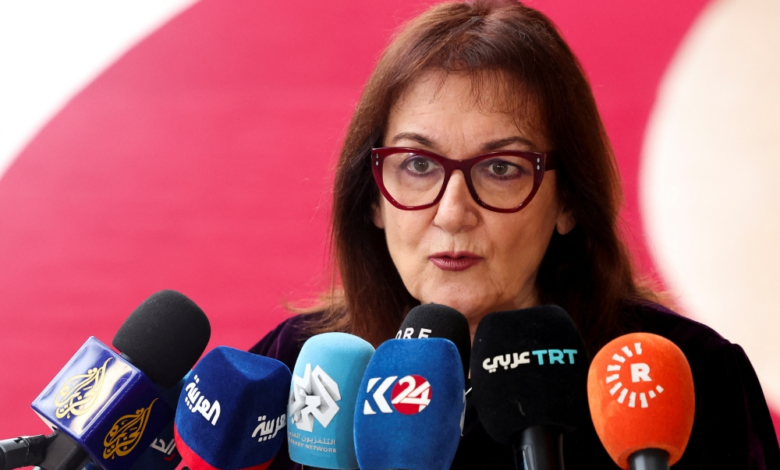

أعلنت العاصمة البلجيكية بروكسل، في خطوة دبلوماسية لافتة، أن المفوضة الأوروبية دوبرافكا سويتسا ستتوجه إلى واشنطن للمشاركة في الاجتماع الافتتاحي لـ “مجلس السلام” المقرر عقده هذا الأسبوع. ويأتي هذا الحضور الأوروبي استجابة للمبادرة التي أطلقها الرئيس الأمريكي دونالد ترامب، ورغم تأكيد الاتحاد الأوروبي مشاركته في الجلسة، إلا أنه أوضح بشكل قاطع عدم انضمامه رسميًا إلى عضوية المجلس الجديد، مفضلًا المشاركة بصفة مراقب أو طرف معني بقضايا محددة.
ومن المقرر أن تركز المفوضة المعنية بشؤون البحر الأبيض المتوسط خلال زيارتها لواشنطن يوم الخميس، على الملف الأكثر سخونة في المنطقة، وهو الوضع الإنساني والسياسي في قطاع غزة. وتهدف المشاركة الأوروبية إلى إبراز الموقف القاري الموحد تجاه الأزمة، ومحاولة التأثير في مسار القرارات التي قد تصدر عن هذا الكيان الجديد، خاصة في ظل التوترات المتصاعدة في الشرق الأوسط.
سياق المبادرة والجدل المثار
تأتي مبادرة “مجلس السلام” في سياق رؤية الرئيس الأمريكي دونالد ترامب لإعادة تشكيل آليات العمل الدبلوماسي الدولي، حيث أُنشئ المجلس في بادئ الأمر بهدف معلن هو إنهاء الحرب في غزة. ومع ذلك، فإن ميثاق المجلس يمنحه صلاحيات واسعة تتجاوز النزاع الفلسطيني الإسرائيلي، لتشمل تسوية النزاعات المسلحة في مختلف أنحاء العالم، مما يجعله كيانًا موازيًا للمؤسسات الدولية التقليدية.
وقد أثار الهيكل التنظيمي للمجلس جدلاً واسعًا في الأوساط الدبلوماسية العالمية، لا سيما الشرط المالي الذي يقتضي سداد الأعضاء الدائمين مبلغ مليار دولار للحصول على العضوية. هذا الشرط دفع العديد من المحللين والسياسيين إلى التعبير عن مخاوفهم من تحول الهيئة إلى “نسخة مدفوعة الرسوم” من مجلس الأمن الدولي، حيث قد تطغى القدرة المالية على الشرعية الدولية والقانونية في اتخاذ القرارات المصيرية.
الموقف الأوروبي: حذر وتساؤلات مشروعة
وفي توضيح للموقف الرسمي، صرح جييوم ميرسييه، المتحدث باسم الاتحاد الأوروبي، بأن مشاركة سويتسا تأتي في “إطار الجزء المخصص لغزة” فقط، مشددًا على أن المفوضية الأوروبية ليست عضوًا في المجلس. ويعكس هذا التصريح استراتيجية الاتحاد الأوروبي في التعامل ببراغماتية مع الإدارة الأمريكية؛ فمن جهة لا يريد الاتحاد الغياب عن طاولة صنع القرار فيما يخص أمن المتوسط، ومن جهة أخرى يتحفظ على الانخراط الكامل في كيان لم تتضح معالمه القانونية بعد.
وقد أكدت المفوضية الأوروبية خلال إحاطة إعلامية أنها لا تزال تطرح تساؤلات جوهرية بشأن المجلس، تتعلق بـ “نطاق التطبيق”، وآليات “الحوكمة”، والأهم من ذلك “مدى المواءمة مع ميثاق الأمم المتحدة”. وتخشى بروكسل من أن يؤدي هذا المجلس إلى تهميش دور الأمم المتحدة أو خلق مسارات دبلوماسية تتعارض مع القانون الدولي الإنساني، مما يستدعي مراقبة الوضع عن كثب قبل اتخاذ أي خطوات مستقبلية نحو تعميق الشراكة.