European sanctions on Iran: targeting the Interior Minister and the Revolutionary Guard

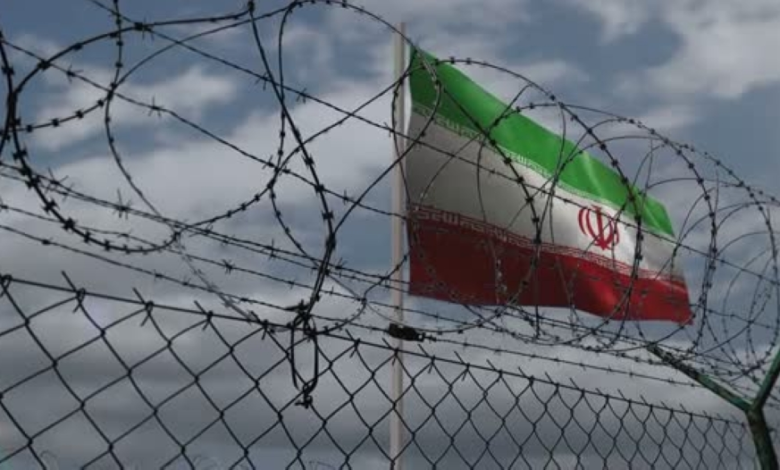
In a new escalation reflecting strained diplomatic relations between Brussels and Tehran, the European Union officially announced a new package of harsh sanctions against high-ranking officials in the Iranian regime. The blacklist includes the Interior Minister and senior commanders in the Revolutionary Guard, in response to the ongoing violent crackdown on popular protests across the country, which has resulted in thousands of deaths and injuries.
Details of the new European sanctions
According to the list published in the official journal of the European Union, the sanctions directly targeted Iranian Interior Minister Eskandar Momeni and Attorney General Mohammad Movahedi Azad, holding them responsible for issuing orders that led to serious human rights violations. The list did not stop at these two names; the EU also included 15 other officials and six institutional entities on its asset freeze and visa ban list.
These measures come as part of a series of punitive steps aimed at exerting maximum pressure on Tehran to stop repressive practices against protesters and political opponents.
Context of the protests and the human rights background
This decision cannot be separated from the general context of events in Iran, where the country has witnessed massive waves of popular protests that were sparked by the death of young woman Mahsa Amini in September 2022. These demonstrations quickly turned into a broad political and social movement demanding basic freedoms and a change in the government’s strict policies.
The Iranian authorities have responded to this movement with an iron fist, with international human rights organizations documenting the killing of hundreds and the arrest of thousands, which has sparked a widespread global wave of condemnation that has prompted Western countries, especially the European Union, to take action through diplomatic and economic channels to hold those responsible for the violence accountable.
The Revolutionary Guard is on the classification table
These sanctions coincided with intensive diplomatic efforts within the European Union to discuss the status of the Iranian Revolutionary Guard. Reports indicate that the bloc's foreign ministers are seriously considering designating the Revolutionary Guard, accused of leading field repression campaigns, as a "terrorist organization." If ultimately adopted, this move would represent a radical shift in European policy toward Iran, effectively isolating the country's most powerful military and security institution from the European financial and political system.
Political and international repercussions
This decision carries profound political implications that extend beyond mere individual sanctions; it sends a clear message that the European Union is adopting a more hardline approach toward Tehran, aligning itself with US and British policies. These steps are expected to further stagnate the outstanding issues between the two sides, including the already stalled nuclear talks, thus placing Tehran in increasing international isolation that could directly impact its struggling economy.