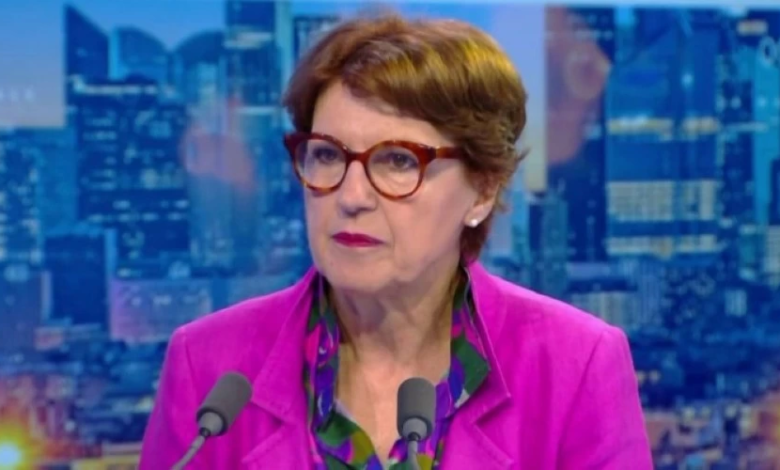

In a significant development reflecting the response of Brussels policymakers to mounting pressure from the agricultural sector, French Agriculture Minister Annie Guignard announced that the European Union is set to suspend carbon tariffs on fertilizers. This move is a direct attempt to support farmers facing unprecedented economic challenges that threaten the sustainability of food supply chains across the continent.
Details of the decision and its direct impact
The French Minister confirmed in an official post on the “X” platform that the European Commissioner for Trade, Maroš Šefčovič, had definitively clarified the possibility of suspending the Carbon Limit Adjustment Mechanism (CBAM) on fertilizer imports. Interestingly, this decision is intended to be applied retroactively from January 1st. Guignard commented, “This is good and reassuring news for our farmers, and therefore there is no justification for fertilizer importers to raise prices,” noting that this measure should be immediately reflected in the purchase invoices that have burdened producers.
Background to the protests and the cost crisis
This decision cannot be separated from the broader context in Europe, where France and several other European countries have witnessed a wave of farmer protests. The protesters are raising their voices against what they describe as a "tsunami" of rising operating costs and the stringent environmental regulations imposed by the European Union as part of its "green transition." Fertilizers are a crucial input in agricultural production, and their prices have fluctuated sharply since the outbreak of the Russian-Ukrainian war, given the fertilizer industry's link to natural gas prices. This means that any additional fees would be the final straw for many farmers.
What is the Carbon Limit Modification Mechanism (CBAM)?
To understand the significance of this comment, one must consider the nature of the mechanism itself. The carbon cap mechanism, which has entered a pilot phase, aims to protect European industries from “unfair competition” from countries that do not adhere to strict climate standards. It imposes tariffs on carbon-intensive imports such as iron, steel, cement, and fertilizers. While the environmental objective of preventing “carbon leakage” (the relocation of factories to less environmentally compliant countries) is noble, its application to fertilizers has directly impacted European farmers, leading to increased production costs and threatening their competitiveness against imported agricultural products.
International and economic dimensions
This move carries profound economic and political implications; it signals the European Union's flexibility in revising its climate policies when they conflict with food security and social stability. This mechanism has also been heavily criticized by international trading partners, particularly China and Brazil, who view it as a form of trade protectionism disguised as environmental protection. While the tax suspension is expected to calm markets and provide farmers with some financial relief, it raises questions about the future of the EU's climate commitments and how to balance long-term environmental goals with current economic realities.