European Energy Commissioner Dan Jorgensen has issued stark warnings about growing concerns within the European Union that the continent is replacing its historical dependence on Russian energy with a new and excessive reliance on the United States, particularly regarding liquefied natural gas (LNG) supplies. These remarks come at a time of heightened anticipation and caution in transatlantic relations due to political shifts and threats that could undermine the stability of traditional alliances.
Speaking to reporters in Brussels, Jorgensen stressed that "the geopolitical turmoil following the Greenland crisis served as a wake-up call," noting that Europe must be extremely cautious in its energy strategy. He further explained the current dilemma: "While the EU is rapidly reducing its imports from Russia, there are growing concerns, which I also share, about replacing one dependency with another," a clear reference to the dramatic surge in US gas imports.
Context of the transformation of the European energy map
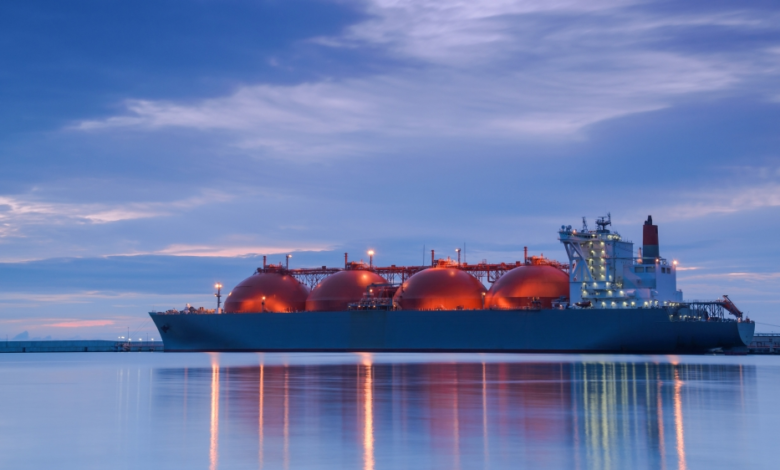
To understand the depth of these concerns, one must consider the recent historical context. Following the outbreak of the Russian-Ukrainian war, European countries were forced to seek immediate alternatives to Russian gas, which had been the lifeblood of European industry and heating. The United States provided the quickest and most readily available alternative through shipments of liquefied natural gas (LNG), leading to an unprecedented surge in the American gas market share in Europe. While this shift averted a potential energy crisis in Europe last winter, it also placed European energy security at the mercy of Washington's trade and foreign policies.
Economic and political dimensions
European concerns extend beyond the economic aspect and the high cost of liquefied natural gas (LNG) compared to previously cheaper Russian gas; they also encompass political and strategic dimensions. European leaders fear that any change in the US administration or in US foreign policy could lead to the use of energy as leverage against the European Union on other trade or political issues. Furthermore, reliance on a single supplier, even a strategic ally, contradicts the principles of energy security, which are based on diversification.
Towards strategic independence
Experts believe that Jørgensen's statements reflect a broader European trend toward accelerating investment in renewable energy sources and green hydrogen, not only for environmental reasons but also as a national security imperative to ensure "strategic independence." The sustainable solution for Europe lies not in replacing one resource with another, but in reducing overall dependence on imported fossil fuels and diversifying partnerships with other gas-producing countries in the Middle East and Africa to ensure it does not fall into the trap of dependency again.