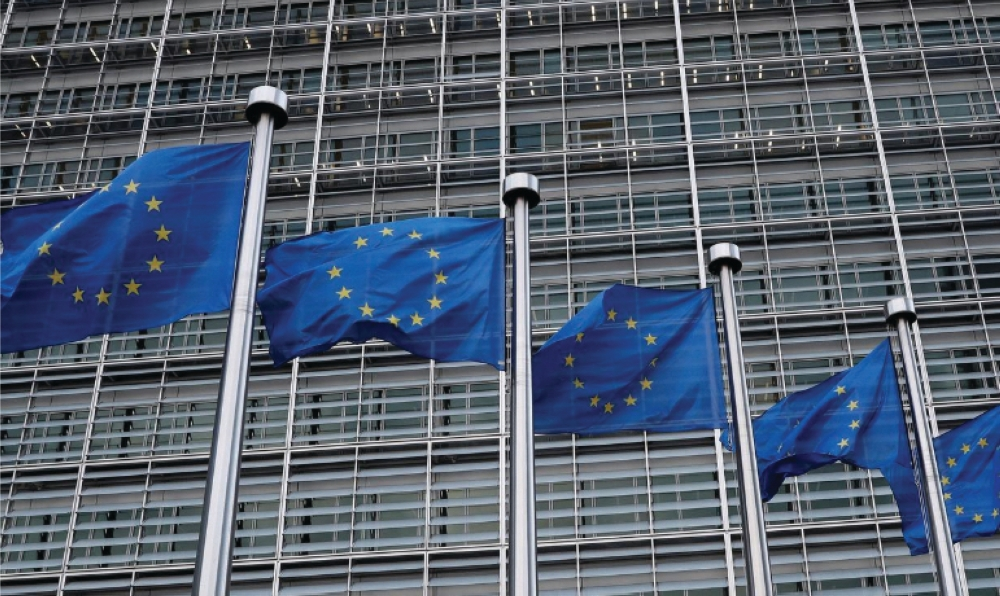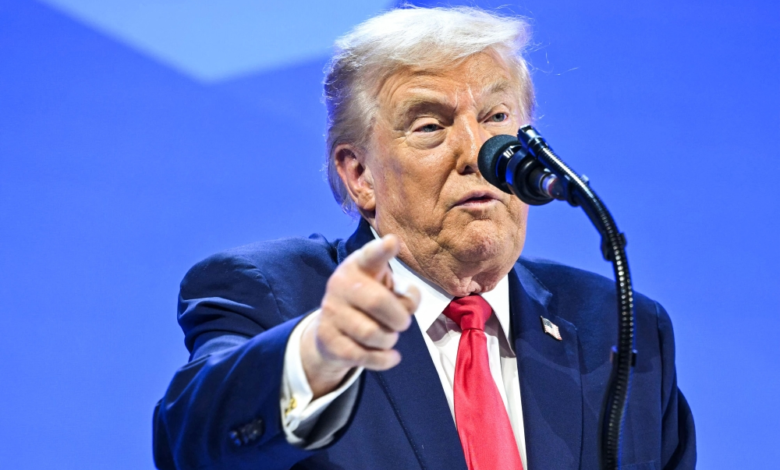

European Union leaders welcomed US President Donald Trump's reversal of his earlier threats to impose punitive tariffs on European countries over Greenland, a move reflecting cautious optimism within the continent's political and economic circles. The official announcement came from European Council President António Costa on Thursday following the conclusion of an EU summit, with Costa describing the US decision as a "positive" step toward easing tensions.
Costa said at a press conference in Brussels: "Imposing additional tariffs is fundamentally contrary to the spirit and letter of the existing trade agreement between the European Union and the United States. Our focus now must be on moving forward with the implementation of this agreement in a way that serves the interests of both parties," adding that the strategic objective remains to achieve real and sustainable stability in transatlantic trade relations.
Background to the tension: The Greenland issue and strategic ambitions
To understand the context of this tension, one must revisit the repeated interest shown by the US president in purchasing Greenland, a self-governing territory of the Danish crown. Greenland is of immense geopolitical and strategic importance due to its location in the Arctic and its abundant natural resources. Denmark and the European Union's firm rejection of the idea of "selling" the island previously angered the US administration, which threatened to use tariffs as a tool of economic pressure to gain political leverage—a tactic Europe considered an unacceptable form of coercion.
The European position: Defending against economic coercion
In a related development, Antonio Costa affirmed early Friday that the European Union would not stand idly by in the face of any future threats. He stated, "The EU will continue to defend its interests, and will defend itself, its member states, its citizens, and its businesses against any form of coercion." He indicated that the bloc possesses the necessary legal and economic means to retaliate if required, implicitly referring to the EU's new anti-coercion instruments.
Impact of the decision on transatlantic relations
Washington's reversal of these tariffs averts a trade war that would have cast a dark shadow over the already fragile global economy. Trade relations between the United States and the European Union are the largest in the world, and any disruption to them directly impacts global supply chains and inflation rates. Analysts believe this retreat could pave the way for a more rational dialogue on contentious issues, rather than brinkmanship, thus strengthening the Western alliance in the face of other global challenges.