
استراتيجية أوروبية جديدة لمواجهة أزمات الطاقة
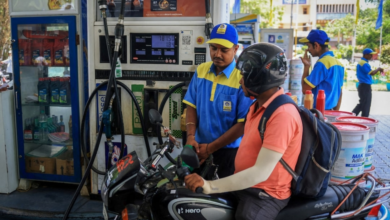
تخطط الحكومات الأوروبية بخطى متسارعة لإحداث نقلة نوعية في سياساتها الخاصة بالطاقة، من خلال تسريع التحول إلى الطاقة النظيفة والخضراء. تأتي هذه الخطوة الاستراتيجية كاستجابة مباشرة وحتمية لمواجهة الصدمات المتتالية في أسعار الوقود الأحفوري، وذلك في ظل الارتفاع الملحوظ في أسعار النفط والغاز الناجم عن التوترات الجيوسياسية المتصاعدة، ولا سيما الأعمال العدائية والنزاعات التي تشهدها منطقة الشرق الأوسط وتورط إيران فيها. وحسبما أكدت مسودة اتفاقية حصرية اطلعت عليها شبكة «بوليتيكو» الإخبارية، فإن أوروبا تضع أمنها القومي والاقتصادي على رأس أولوياتها من خلال فك الارتباط بالوقود التقليدي.
السياق التاريخي: من أزمة أوكرانيا إلى توترات الشرق الأوسط
تاريخياً، لم تكن هذه الخطوة وليدة اللحظة، بل هي امتداد لصحوة أوروبية بدأت مع اندلاع الحرب الروسية الأوكرانية في أوائل عام 2022. في ذلك الوقت، أدرك الاتحاد الأوروبي حجم هشاشة أمنه في مجال الطاقة لاعتماده المفرط على الغاز الروسي، مما دفعه لإطلاق خطة «REPowerEU» الطموحة. واليوم، مع تجدد المخاوف إثر التوترات المتعلقة بإيران والشرق الأوسط، تجد أوروبا نفسها أمام حتمية تسريع هذا المسار. الاعتماد على استيراد الوقود الأحفوري من مناطق النزاع بات يشكل تهديداً مباشراً للاستقرار الاقتصادي الأوروبي، مما يجعل التحول الأخضر ليس مجرد هدف بيئي، بل درعاً واقياً للأمن القومي.
تهديد الأمن الإقليمي والعالمي
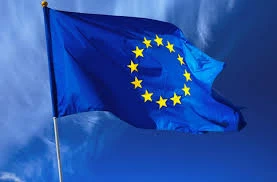
وتنص المسودة، التي حظيت بموافقة اللجنة السياسية والأمنية لمجلس الاتحاد الأوروبي في 14 أبريل الجاري، على تحذيرات شديدة اللهجة. وتتطلب هذه الوثيقة الآن الموافقة النهائية من سفراء الاتحاد الأوروبي ووزراء خارجيته. وتؤكد المسودة بشكل صريح على أن «الأعمال العدائية في إيران والمنطقة الأوسع تهدد الأمن والازدهار الإقليمي والعالمي». هذا التهديد المباشر لخطوط الملاحة وإمدادات الطاقة العالمية دفع صناع القرار في القارة العجوز إلى إعادة صياغة سياساتهم الخارجية والداخلية لتكون أكثر مرونة واستقلالية.
تسريع التحول: الأثر المتوقع على المستويات كافة
ومن المتوقع أن يوقع وزراء خارجية الدول الأعضاء الـ 27 في الاتحاد الأوروبي، يوم الثلاثاء القادم، على مجموعة من الخلاصات والقرارات الحاسمة التي تحدد توجهاً جديداً للاتحاد في مجالي الطاقة والمناخ. على الصعيد المحلي والإقليمي، سيؤدي هذا التحول إلى ضخ استثمارات ضخمة في البنية التحتية لطاقة الرياح، والطاقة الشمسية، والهيدروجين الأخضر، مما سيخلق آلاف فرص العمل ويحمي المواطن الأوروبي من تقلبات فواتير الطاقة. أما على الصعيد الدولي، فإن هذا التوجه سيعزز من مكانة أوروبا كقائد عالمي في مكافحة التغير المناخي، وسيشكل ضغطاً على أسواق النفط العالمية والدول المصدرة للوقود الأحفوري لتنويع اقتصاداتها.
الاستقلالية كحل أمثل
وفي ظل الارتفاع المستمر في أسعار الوقود الأحفوري بسبب التوترات المرتبطة بإيران والنزاعات الإقليمية، تعكس مسودة الاتفاقية مخاوف عميقة بشأن استقلالية الاتحاد الأوروبي وأمنه الاستراتيجي. ويرى وزراء الخارجية في التكتل الأوروبي أن الحل الأمثل والجذري يكمن في تسريع التحول إلى الطاقة النظيفة، لضمان مستقبل مستدام وآمن بعيداً عن ابتزازات أسواق الطاقة التقليدية والاضطرابات السياسية العالمية.