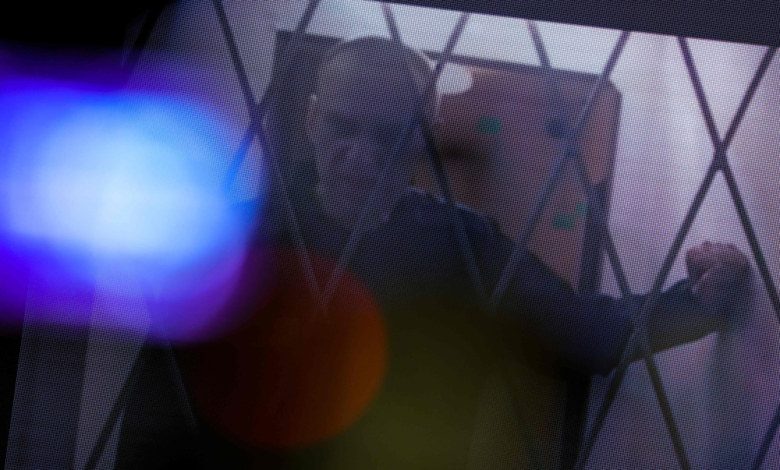

في تطور لافت للأزمة الدبلوماسية بين الغرب وموسكو، وجهت خمس دول أوروبية كبرى، هي بريطانيا وفرنسا وألمانيا والسويد وهولندا، اتهاماً رسمياً ومباشراً للسلطات الروسية بالوقوف وراء مقتل المعارض السياسي الأبرز أليكسي نافالني داخل محبسه في عام 2024. وجاء هذا الإعلان المشترك على هامش مؤتمر ميونيخ للأمن، مستنداً إلى نتائج تحقيقات مخبرية دقيقة أجريت على عينات بيولوجية.
أدلة علمية: سم نادر من الإكوادور
كشف البيان المشترك، الذي قادته وزارة الخارجية البريطانية، عن تفاصيل مروعة تتعلق بالأداة المستخدمة في عملية التصفية. وأوضحت الدول الخمس أن التحليلات المخبرية أثبتت وجود آثار لـ “مادة سامة نادرة” توجد عادة في جلد “ضفادع السهام الإكوادورية”. وأكدت الخارجية البريطانية أن هذا الاكتشاف يشير إلى “عمل منظم ومنسق”، مرجحة بشكل قاطع أن يكون هذا السم هو السبب المباشر للوفاة، مما يدحض الروايات السابقة حول أسباب طبيعية للوفاة.
سياق تاريخي: من نوفيتشوك إلى السجن القطبي
لا يمكن فصل هذا الاتهام الجديد عن التاريخ الطويل من الصراع بين نافالني والكرملين. فقد نجا المعارض الروسي بأعجوبة من محاولة تسميم سابقة في عام 2020 باستخدام غاز الأعصاب السوفيتي “نوفيتشوك”، حيث تلقى العلاج في ألمانيا قبل أن يقرر العودة بشجاعة إلى روسيا في أوائل 2021، ليتم اعتقاله فور وصوله. وقد قضى نافالني سنواته الأخيرة في ظروف قاسية داخل مستعمرة عقابية نائية في الدائرة القطبية الشمالية، والمعروفة باسم “الذئب القطبي”، حيث تعرض للعزل الانفرادي المتكرر والحرمان من الرعاية الطبية المناسبة، مما يجعل حادثة التسميم الأخيرة حلقة أخيرة في سلسلة استهداف ممنهج.
تحرك دولي وتصعيد مرتقب
على الصعيد الدبلوماسي والقانوني، أعلنت بريطانيا عزمها إحالة الملف إلى منظمة حظر الأسلحة الكيميائية، واصفة ما حدث بأنه “انتهاك صارخ” للمواثيق الدولية من جانب روسيا. ويحمل هذا التحرك دلالات سياسية عميقة، حيث يضع موسكو تحت ضغط دولي متجدد وقد يمهد الطريق لفرض حزم عقوبات جديدة. وطالبت الدول الخمس موسكو بـ “الوقف الفوري لهذا النشاط الخطير” الذي يستهدف المعارضين السياسيين في الداخل والخارج.
تأكيد فرضيات العائلة
من جانبها، اعتبرت يوليا نافالنيا، أرملة المعارض الراحل، أن هذه النتائج تمثل انتصاراً للحقيقة. وفي تعليقها على التقرير، قالت: “قبل عامين قلت إن فلاديمير بوتين قتل زوجي، واليوم باتت هذه الكلمات مثبتة بالعلم”. وكانت نافالنيا قد قادت حملة دولية واسعة منذ وفاة زوجها للمطالبة بتحقيق مستقل، مؤكدة منذ سبتمبر الماضي فرضية التسميم التي باتت اليوم مدعومة بأدلة جنائي دولية.