
استمرار موجة الحر غير المسبوقة في غرب أوروبا
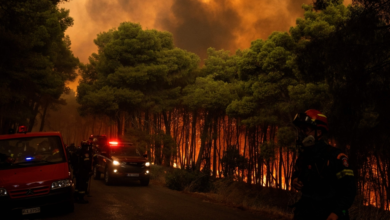
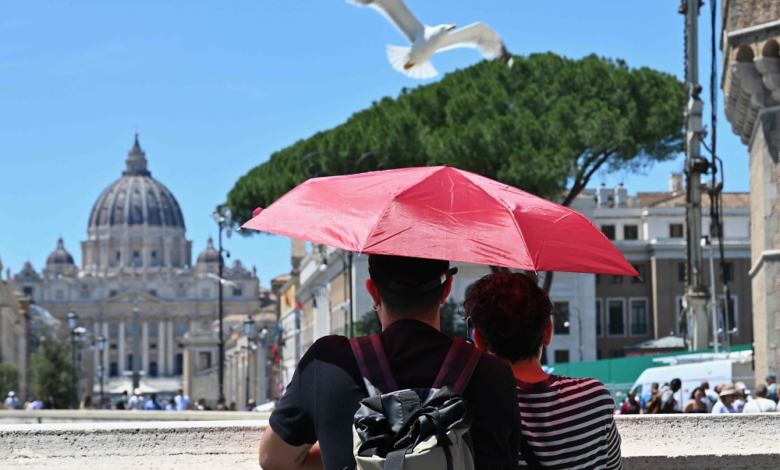
تستعد دول في غرب أوروبا لمواجهة يوم جديد من الارتفاع الاستثنائي في درجات الحرارة، في استمرار لموجة حر غير اعتيادية تضرب القارة في وقت مبكر من العام. وتأتي هذه الظاهرة المناخية المتطرفة خلال شهر مايو لتنذر بصيف قادم قد يكون أكثر قسوة، حيث تعكس هذه التغيرات تسارعاً ملحوظاً في وتيرة الاحترار العالمي الذي تشهده القارة الأوروبية بشكل عام.
حصيلة الضحايا وتأثيرات الطقس في فرنسا وإيطاليا
أعلنت السلطات الفرنسية عن تسجيل سبع وفيات مرتبطة بشكل مباشر أو غير مباشر بهذه الظاهرة المناخية التي ألقت بظلالها على الحياة اليومية للسكان. وفي هذا السياق، صرحت الناطقة باسم الحكومة الفرنسية، مود بروجون، عبر قناة “تي إف 1” قائلة: “ما يمكنني قوله اليوم هو أن هناك سبع وفيات مرتبطة بشكل مباشر أو غير مباشر بالحر، من بينها خمس حالات غرق على الأقل”. وأضافت أن هذه الأرقام تتطلب مزيداً من التوضيح والتدقيق فور انتهاء موجة الحر الحالية.
وقد دفعت درجات الحرارة المرتفعة أعداداً كبيرة من السكان للتوجه إلى الشواطئ الفرنسية، رغم غياب المنقذين البحريين في هذا الوقت المبكر من العام، مما أدى إلى زيادة حوادث الغرق. وفي إيطاليا المجاورة، اضطرت السلطات إلى فرض قيود صارمة على العمل في الهواء الطلق لحماية العمال من ضربات الشمس والإجهاد الحراري. كما أثرت الموجة على القطاع الزراعي، حيث بدأ موسم الحصاد في وقت مبكر جداً عما هو معتاد للمزارعين.
السياق العام والخلفية التاريخية للحدث
تاريخياً، كانت موجات الحر في أوروبا تتركز عادة في شهري يوليو وأغسطس، وتعد موجة الحر الشهيرة في صيف عام 2003، والتي أودت بحياة عشرات الآلاف في أوروبا، نقطة تحول في كيفية تعامل الحكومات مع الطقس المتطرف. إلا أن تسجيل درجات حرارة تتجاوز 30 درجة مئوية في المملكة المتحدة وفرنسا خلال شهر مايو، وتسجيل هيئة الأرصاد الجوية الفرنسية لأعلى درجة حرارة في تاريخ شهر مايو، يؤكد التحذيرات العلمية المستمرة. هذه الأرقام القياسية المبكرة تشير إلى تغير جذري في الأنماط المناخية، حيث أصبحت موجات الحر تبدأ في الربيع وتمتد حتى الخريف.
الأسباب العلمية وراء الظاهرة
تُعزى هذه الظاهرة الجوية الحادة إلى تدفق كتل من الهواء الساخن جداً قادمة من شمال إفريقيا والصحراء الكبرى، والتي تُحاصر فوق غرب أوروبا تحت تأثير مرتفع جوي قوي يمنع تشتت الحرارة، وهو ما يُعرف بظاهرة “القبة الحرارية”. ويُجمع علماء المناخ والهيئات الدولية، مثل المنظمة العالمية للأرصاد الجوية، على أن التغير المناخي الناتج عن الأنشطة البشرية وزيادة انبعاثات الغازات الدفيئة، يفاقم بشكل كبير من حدة وتكرار الظواهر الجوية المتطرفة، مثل موجات الحر، الجفاف، والفيضانات.
أهمية الحدث وتأثيره المتوقع (محلياً، إقليمياً، ودولياً)
على المستوى المحلي: تشكل هذه الموجات المبكرة خطراً داهماً على الصحة العامة، خاصة لكبار السن والأطفال، وتضع ضغوطاً غير متوقعة على أنظمة الرعاية الصحية. كما تهدد المحاصيل الزراعية التي لم تكتمل دورة نموها الطبيعية، مما قد يؤدي إلى خسائر اقتصادية للمزارعين.
على المستوى الإقليمي: تزيد هذه الظروف من استهلاك الطاقة بشكل مفرط نتيجة الاعتماد المبكر على أجهزة التكييف والتبريد، مما يهدد شبكات الكهرباء الأوروبية. كما تثير مخاوف جدية بشأن الأمن المائي في القارة، حيث يؤدي التبخر السريع إلى انخفاض مستويات الأنهار والسدود التي تعاني أصلاً من نقص في التغذية الشتوية.
على المستوى الدولي: يُعد ما يحدث في أوروبا بمثابة جرس إنذار عالمي يؤكد أن أهداف اتفاقية باريس للمناخ باتت مهددة. إن تواتر هذه الموجات يرسل رسالة واضحة للمجتمع الدولي بضرورة تسريع التحول نحو الطاقة النظيفة واتخاذ إجراءات حاسمة للحد من الانبعاثات الكربونية قبل الوصول إلى نقاط لا يمكن العودة منها في النظام المناخي للأرض.