
مقدمة: موجة حر مبكرة تجتاح القارة الأوروبية
تستعد دول غرب أوروبا لمواجهة يوم جديد من موجة الحر غير الاعتيادية التي تضرب القارة في وقت مبكر من العام. هذه الظاهرة المناخية المتطرفة، التي تأتي عادة في أشهر الصيف المتقدمة، بدأت تلقي بظلالها الثقيلة على الحياة اليومية للسكان، مسجلة أرقاماً قياسية جديدة في درجات الحرارة لشهر مايو، ومخلفة وراءها خسائر بشرية ومادية ملموسة.
تسجيل وفيات في فرنسا بسبب الارتفاع الحاد لدرجات الحرارة
في فرنسا، أعلنت السلطات الرسمية عن تسجيل سبع وفيات مرتبطة بشكل مباشر أو غير مباشر بهذه الموجة الحارة. وفي تفاصيل مأساوية، أوضحت الناطقة باسم الحكومة الفرنسية، مود بروجون، في تصريحات عبر قناة “تي اف 1″، أن من بين الضحايا خمس حالات غرق على الأقل. وتأتي حوادث الغرق هذه نتيجة اندفاع أعداد كبيرة من المواطنين نحو الشواطئ والمسطحات المائية هرباً من الحرارة الخانقة، وذلك في وقت لم تكن فيه هذه الأماكن مجهزة بعد بفرق الإنقاذ البحري المعتادة في موسم الصيف. وأكدت بروجون أن الصورة الكاملة لهذه الخسائر ستحتاج إلى توضيح دقيق مع انحسار الموجة الحالية.
تأثيرات إقليمية واسعة: من بريطانيا إلى إيطاليا
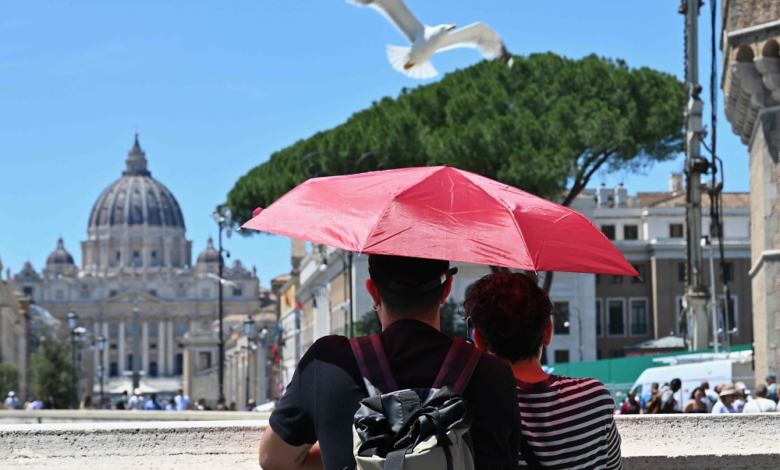
لم تقتصر التأثيرات على فرنسا وحدها، بل امتدت لتشمل دولاً أوروبية أخرى. فقد سجلت المملكة المتحدة وفرنسا درجات حرارة تجاوزت حاجز الـ 30 درجة مئوية، وهو رقم قياسي غير مسبوق لتاريخ شهر مايو بحسب هيئة الأرصاد الجوية الفرنسية. وفي إيطاليا، دفعت الظروف الجوية القاسية السلطات إلى فرض قيود صارمة على العمل في الهواء الطلق لحماية العمال من ضربات الشمس والإجهاد الحراري. وعلى الصعيد الاقتصادي والزراعي، أجبرت هذه الأجواء المزارعين على بدء موسم الحصاد في وقت أبكر بكثير من المعتاد، مما قد يؤثر على دورة الإنتاج الزراعي في المنطقة.
السياق العلمي والتاريخي: التغير المناخي يفرض واقعاً جديداً
تُعزى هذه الموجة الحارة المبكرة، وفقاً لخبراء الأرصاد الجوية، إلى تدفق كتلة هوائية شديدة الحرارة قادمة من شمال إفريقيا، والتي حوصرت فوق القارة الأوروبية تحت تأثير مرتفع جوي قوي. تاريخياً، شهدت أوروبا موجات حر قاسية في الأعوام 2003 و2019 و2022، إلا أن حدوثها في شهر مايو يُعد مؤشراً خطيراً على تسارع وتيرة الاحترار العالمي.
ويُجمع العلماء والمنظمات الدولية على أن التغير المناخي الناتج عن الأنشطة البشرية وزيادة انبعاثات الغازات الدفيئة هو المحرك الأساسي لتفاقم حدة وتكرار الظواهر الجوية المتطرفة. لم تعد موجات الحر والجفاف والفيضانات أحداثاً استثنائية، بل أصبحت جزءاً من الواقع المناخي الجديد.
الأهمية والتأثير المتوقع على المدى الطويل
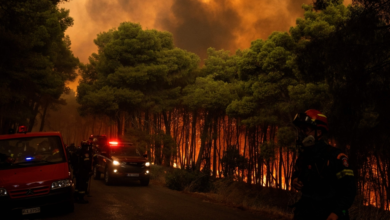
إن تأثير هذه الموجات الحرارية يتجاوز الإزعاج اليومي ليمس قطاعات حيوية. محلياً، تزيد من الضغط على شبكات الكهرباء وتستنزف الموارد المائية. وإقليمياً، تهدد التنوع البيولوجي وتزيد من مخاطر اندلاع حرائق الغابات. أما دولياً، فإن هذه الأحداث تضع ضغوطاً إضافية على صناع القرار للالتزام بتعهدات اتفاقية باريس للمناخ، وتسريع التحول نحو مصادر الطاقة المتجددة للحد من التداعيات الكارثية للاحتباس الحراري.