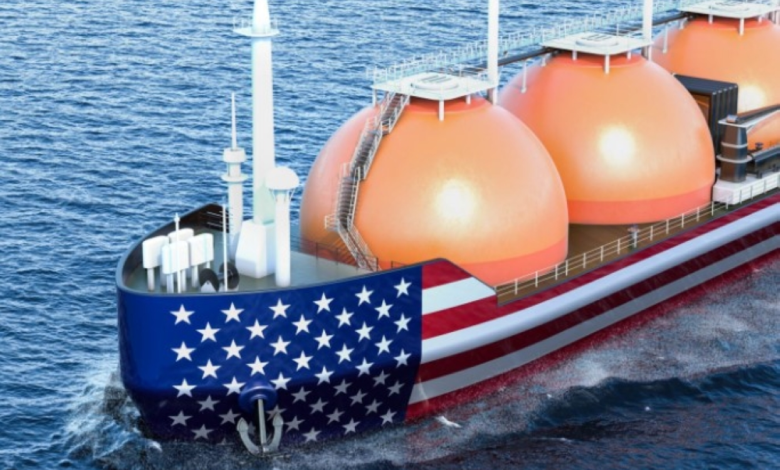
European Energy Commissioner Dan Jorgensen warned of the growing risks of replacing European dependence on Russian gas with a new and excessive dependence on the United States, following recent geopolitical tensions sparked by US President Donald Trump’s threats over Greenland and tariffs.
From Russian dependency to American hegemony
In a press statement from Brussels, Jorgensen explained that the European Union faces a genuine strategic dilemma. After years of working diligently to reduce its dependence on energy supplies from Moscow following the Russian-Ukrainian war, the continent has found itself increasingly reliant on liquefied natural gas (LNG) from across the Atlantic. Data indicates that US gas imports accounted for nearly 60% of the EU's total supply last year, a figure that is causing concern among Brussels policymakers regarding future energy security.
The fallout from the Greenland crisis and tariffs
These warnings echoed the recent diplomatic turmoil that has shaken the foundations of the transatlantic alliance. The European official described the crisis that erupted after Trump threatened to forcibly seize Greenland—a self-governing territory of EU member Denmark—as a “wake-up call.” Although Trump later backed down from his threats to impose tariffs on countries that opposed his proposal, such as France and Germany, the incident left deep scars on mutual trust and reignited questions about the reliability of the American partner.
Searching for strategic alternatives
In an attempt to address the situation, Jørgensen, who previously served as Denmark's energy minister, confirmed that the European Commission has already begun exploring alternative pathways to diversify energy sources. The European plan includes strengthening partnerships with countries such as Canada and Qatar, as well as North African nations, to increase its natural gas imports. The commissioner announced a series of meetings and visits planned for the coming months to improve relations with these countries and ensure stable energy flows.
Challenges of existing agreements
Despite its desire for diversification, Europe faces a legal and economic challenge stemming from prior commitments. Under an agreement reached last year, the European Union pledged to purchase up to $750 billion worth of energy supplies from the United States over the next three years. This massive commitment puts Brussels in a delicate position: it seeks to avoid provoking the ire of the US president or engaging in new trade disputes, while simultaneously trying to reduce its dependence on a single power to ensure its energy sovereignty.