
مقدمة: أزمة تعصف بقطاع الكيماويات الأوروبي
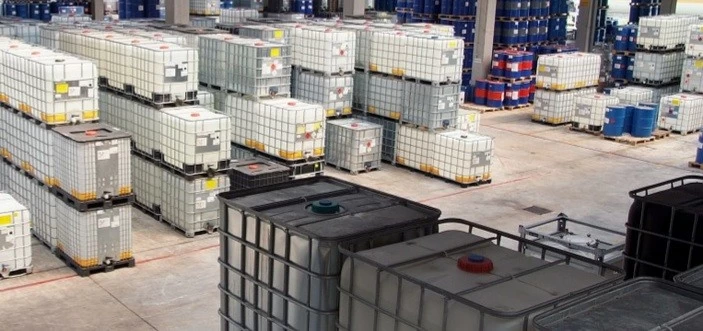
تتجه شركات الكيماويات الأوروبية نحو تسجيل نتائج مالية ضعيفة وتراجع ملحوظ في الأرباح خلال الربع الأول من عام 2026، مما يعكس عمق التأثيرات السلبية الناجمة عن التصعيد العسكري المستمر في منطقة الشرق الأوسط. وتأتي هذه الضغوط الجيوسياسية والاقتصادية لتنضم إلى سلسلة طويلة من التحديات الهيكلية التي يواجهها القطاع الصناعي في القارة العجوز منذ عدة سنوات، مما يضع مستقبل هذه الصناعة الحيوية على المحك.
السياق العام والخلفية التاريخية للأزمة
لفهم الجذور العميقة لهذه الأزمة، يجب النظر إلى النموذج الاقتصادي الذي اعتمدت عليه صناعة الكيماويات في أوروبا، وتحديداً في ألمانيا، لعقود طويلة. لقد بنيت هذه الصناعة على أساس توفر إمدادات الطاقة الرخيصة والمستقرة، وخاصة الغاز الطبيعي الروسي. ومع اندلاع الحرب الروسية الأوكرانية في عام 2022، فقدت أوروبا هذه الميزة التنافسية بشكل مفاجئ، مما أدى إلى صدمة طاقة غير مسبوقة. ورغم محاولات تنويع مصادر الطاقة، إلا أن التكاليف ظلت مرتفعة مقارنة بالمعدلات التاريخية، مما جعل القطاع يعاني من هشاشة هيكلية مستمرة.
أوضاع هشة وتحذيرات ألمانية شديدة اللهجة
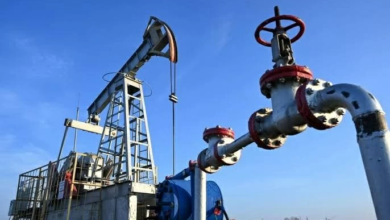
في هذا السياق، أكد الاتحاد الألماني للصناعات الكيماوية أن القطاع يعاني بشكل استثنائي مقارنة بالصناعات التحويلية الأخرى. وقد أدى الارتفاع الكبير والمستمر في تكاليف الطاقة والمواد الأولية إلى تفاقم الأوضاع الهشة منذ مطلع العام الحالي. وتعتبر الصناعات الكيماوية من أكثر القطاعات استهلاكاً للطاقة، حيث تعتمد بشكل كثيف على النفط والغاز ليس فقط كوقود للتشغيل، بل كمواد خام أساسية تدخل في صلب العمليات الإنتاجية.
تأثير التوترات الجيوسياسية في الشرق الأوسط
يُعد قطاع الكيماويات من أكثر القطاعات عرضة للصدمات الجيوسياسية. وقد أدى التصعيد العسكري في منطقة الشرق الأوسط، وما رافقه من اضطرابات في حركة الملاحة في البحر الأحمر، إلى تعقيد سلاسل الإمداد العالمية. هذه الاضطرابات تسببت في تأخير وصول الشحنات، وارتفاع تكاليف الشحن البحري والتأمين، مما أضاف أعباء مالية جديدة على كاهل الشركات الأوروبية التي تعاني أصلاً من ضغوط تضخمية متزايدة.
تراجع التنافسية الدولية أمام الأسواق الآسيوية
ولمواجهة هذه التكاليف المتزايدة، اضطرت كبرى الشركات الأوروبية إلى اللجوء لرفع أسعار منتجاتها النهائية عدة مرات. هذا الإجراء، وإن كان ضرورياً لتقليل الخسائر، دفع الخبراء الاقتصاديين للتحذير من خطر حقيقي يتمثل في إضعاف التنافسية الدولية للمنتجين الأوروبيين. في المقابل، تستفيد الشركات الآسيوية من تكاليف طاقة أقل، مما يمكنها من طرح منتجات بأسعار تنافسية تهدد الحصة السوقية لأوروبا.
التأثير المتوقع: محلياً وإقليمياً ودولياً
على الصعيد المحلي والإقليمي داخل أوروبا، تنذر هذه الأزمة بتداعيات خطيرة تشمل احتمالية تقليص الإنتاج وإغلاق بعض المصانع، وهو ما يثير مخاوف حقيقية من ظاهرة تراجع التصنيع في القارة وفقدان الوظائف. أما على الصعيد الدولي، فإن استمرار هذا الضعف قد يؤدي إلى إعادة رسم خريطة صناعة الكيماويات العالمية، حيث قد تتحول أوروبا تدريجياً إلى الاعتماد على الاستيراد لتلبية احتياجاتها، مما يعزز من هيمنة الاقتصادات المنافسة التي تتمتع بمزايا نسبية في تكاليف الإنتاج.