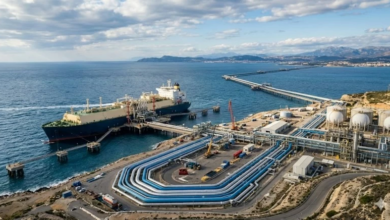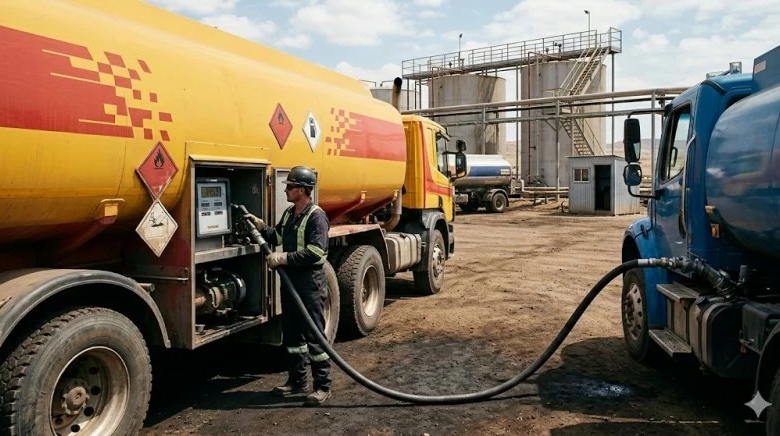
Energy markets witnessed dramatic shifts in the past few hours, with European diesel futures jumping by as much as 23% , reaching their highest level in two years. This sharp rise was not merely a correction, but significantly outperformed the benchmark Brent crude, reflecting deep anxiety in the refined petroleum products market in particular.
Impact of the halt in navigation through the Strait of Hormuz
This price surge was a direct result of the virtual halt in oil and refined product tanker traffic through the Strait of Hormuz . This disruption led to a significant widening of "crack spreads," the indicator that measures the difference between the price of crude oil and the price of refined products. This widening clearly points to immense pressure on supply, as traders fear shortages in the flow of oil to Europe.
The rise was not limited to diesel, but extended to jet fuel margins in Europe , which climbed to their highest levels since the summer of 2023. High sulfur fuel oil spreads also recorded an increase, but at a less severe pace, showing a variation in the impact of the current crisis on different derivatives.
The difference between European and American markets
In a scenario reflecting the diversification of supply sources, gasoline refining margins in the United States have declined. This is because gasoline flows through the Strait of Hormuz are relatively limited compared to diesel and jet fuel destined for Europe. This disparity illustrates how geopolitical crises in the Middle East impact European markets more quickly and severely due to their structural dependence on imports from the Middle East and Asia.
Strategic importance and historical background
To understand the magnitude of this event, one must consider the strategic importance of the Strait of Hormuz, the most vital artery for global oil markets. Nearly four million barrels per day of refined petroleum products , in addition to vast quantities of crude oil, pass through this narrow waterway. Historically, any threat to navigation in this strait has led to immediate price spikes, given the lack of easy and rapid logistical alternatives to compensate for such enormous volumes.
Expected economic repercussions
This surge is expected to have a particularly heavy impact on the European economy. Higher diesel prices directly translate to increased transportation and logistics costs, potentially fueling inflation once again. Internationally, refineries outside the conflict zone may benefit from higher profit margins, as demand for their products increases to compensate for the potential shortfall in supplies transiting the Arabian Gulf. Markets remain on tenterhooks regarding the duration of this disruption, as any prolonged crisis could push prices to new record highs.