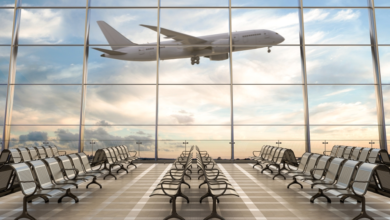

أطلقت كبرى الهيئات الممثلة لقطاع الطيران في القارة العجوز تحذيرات شديدة اللهجة من احتمالية حدوث فوضى عارمة واضطرابات تشغيلية غير مسبوقة في المطارات الأوروبية خلال موسم الصيف المقبل. وتأتي هذه المخاوف على خلفية الاستعدادات لتطبيق نظام الدخول والخروج الجديد (EES)، الذي يخشى الخبراء أن يتسبب في تكدس المسافرين وتأخير الرحلات بشكل كبير.
تحالف الطيران يدق ناقوس الخطر
في رسالة مشتركة وجهتها كل من الفرع الأوروبي لمجلس المطارات الدولي (ACI)، ومنظمة "إيرلاينز فور يوروب" (A4E)، والاتحاد الدولي للنقل الجوي (IATA)، تم التأكيد على أن البنية التحتية الحالية قد لا تكون قادرة على استيعاب المتطلبات الزمنية للنظام الجديد دون مرونة إجرائية. وأشارت هذه الهيئات إلى أن عدم اتخاذ تدابير فورية لمعالجة "المشاكل الحرجة" قد يؤدي إلى طوابير انتظار تصل إلى أربع ساعات أو أكثر، مما يهدد بانهيار جداول الرحلات في ذروة الموسم السياحي.
ما هو نظام الدخول والخروج (EES)؟
يعد نظام الدخول والخروج (EES) تحولاً رقمياً جذرياً في إدارة حدود منطقة "شنغن". يهدف النظام إلى استبدال الأختام التقليدية على جوازات السفر بآلية تعتمد على البيانات البيومترية (الصور الشخصية وبصمات الأصابع) للمسافرين من خارج الاتحاد الأوروبي. ورغم أن الهدف الأساسي للنظام هو تعزيز الأمن ورصد المتجاوزين لمدد الإقامة القانونية ومنع دخول الأشخاص غير المصرح لهم، إلا أن آلية جمع البيانات تتطلب وقتاً أطول لكل مسافر مقارنة بالإجراءات التقليدية، وهو ما يشكل "عنق الزجاجة" في المطارات المزدحمة.
السياق الأمني والاقتصادي
تأتي هذه الخطوة في إطار سعي الاتحاد الأوروبي لتحديث ترسانته الأمنية وضبط حدوده الخارجية بشكل أكثر صرامة في مواجهة التحديات الأمنية والهجرة غير الشرعية. وتعتبر منطقة "شنغن"، التي تتيح حرية التنقل بين الدول الأعضاء دون ضوابط حدودية داخلية، واحدة من أهم الوجهات السياحية في العالم. ومع ذلك، يخشى الاقتصاديون من أن تؤدي هذه التعقيدات اللوجستية إلى ضربة لقطاع السياحة والسفر، الذي لا يزال يتعافى من تداعيات السنوات الماضية، حيث قد يقرر السياح تجنب الوجهات الأوروبية إذا ارتبطت تجربتهم بطوابير الانتظار الطويلة والإرهاق.
تأثيرات عالمية محتملة
لا تقتصر تأثيرات هذا النظام على الداخل الأوروبي فحسب، بل تمتد لتشمل حركة السفر العالمية. فالمسافرون من دول الخليج، الولايات المتحدة، وآسيا سيخضعون جميعاً لهذه الإجراءات الجديدة. وتطالب شركات الطيران الحكومات الأوروبية بتوفير حلول تقنية أسرع، وزيادة عدد الموظفين، وتطبيق فترات انتقالية مرنة لضمان انسيابية الحركة وتجنب تكرار مشاهد الفوضى التي شهدتها بعض المطارات في مواسم سابقة.