
European energy markets have been extremely volatile in recent hours, with natural gas prices across the continent continuing their record-breaking surge, marking one of the sharpest price increases in recent years. This comes amid escalating geopolitical tensions in the Middle East and their direct and tangible impact on global energy supply chains.
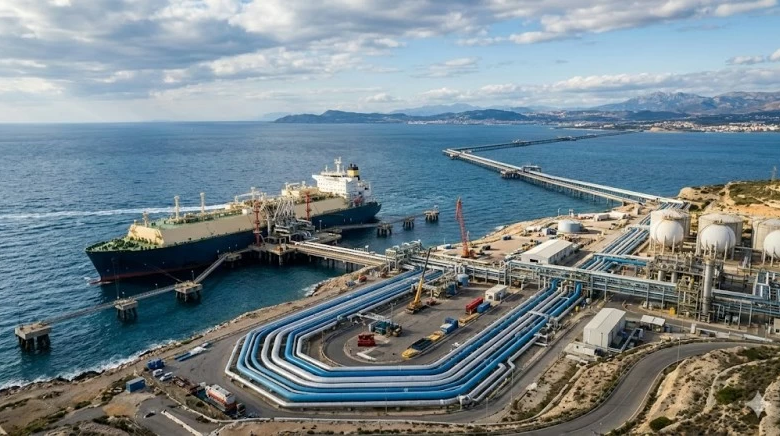
Benchmark European gas contracts jumped by more than 13% during trading today, deepening concerns among economic policymakers in Europe. These increases are primarily attributed to growing fears of supply disruptions through the Strait of Hormuz, particularly following reports of the closure of the Ras Laffan facility in Qatar, the world's largest liquefied natural gas export hub, after reports of an Iranian drone attack.
The crisis worsens and numbers reach record highs
Today's surge was not an isolated event, but rather the culmination of a sharp upward trend; gas prices in Europe have risen by more than 30% this week. In total, prices have jumped by approximately 70% in just two days, an unprecedented increase reflecting the panic in the markets following the announcement of the halt in Qatari gas exports. Dutch TTF futures, considered the benchmark for gas in Europe, have risen by more than 33%, adding to yesterday's gains of 40%.
Searching for alternatives and urgent solutions
Faced with this new reality, energy-consuming nations have begun moving quickly to secure their needs. Taiwan announced it had successfully secured gas shipments for April from sources outside the Middle East to avert potential shortages. Similarly, Thailand is seeking immediate additional shipments to bolster its strategic reserves, indicating intensifying competition between European and Asian markets for globally available gas supplies.
The importance of Qatari gas to European energy security
These developments are exceptionally serious given the broader context of Europe's energy transition. Since the outbreak of the Russian-Ukrainian war, European countries have significantly reduced their reliance on Russian gas, increasingly depending on liquefied natural gas (LNG) to compensate for the shortfall. Qatar is a pivotal player in this equation, possessing the world's third-largest gas reserves and being one of the most reliable exporters. Any disruption to Qatari supplies would be a direct blow to European energy security plans, especially given the lack of immediate alternatives capable of filling the substantial gap that Qatari gas would leave.
The Strait of Hormuz: The Global Energy Artery
These events underscore once again the strategic importance of the Strait of Hormuz, through which roughly one-fifth of the world's oil and liquefied natural gas (LNG) consumption passes. This waterway is a critical chokepoint for the global economy, and any security threat to navigation within it not only impacts spot prices but also significantly increases insurance and shipping costs. This situation presents the global economy with new inflationary challenges, as rising energy costs typically lead to higher prices for goods, services, and industrial production across various sectors.
Potential economic repercussions
On the economic front, this sudden surge in energy prices threatens to undermine the efforts of global central banks, particularly the European Central Bank, to curb inflation. Higher energy bills are increasing the burden on European households and factories, potentially leading to a slowdown in industrial activity and possibly even a recession if the crisis persists. Global markets are now anxiously awaiting developments in the diplomatic and military situation in the region, as the stability of energy prices is entirely dependent on de-escalating tensions in the Arabian Gulf.