
Shock in energy markets: Gas prices soar in Europe
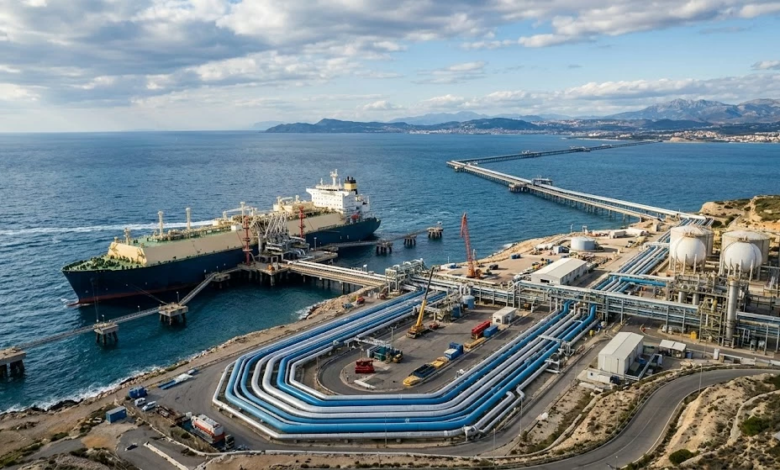
Global energy markets were rocked today, with gas prices in Europe surging by a staggering 35%. This sudden and alarming increase followed a dangerous escalation of military activity targeting critical energy infrastructure in the Middle East. The most significant event was an Iranian missile attack on Ras Laffan Industrial City in Qatar, the world's hub for liquefied natural gas production and exports, which caused extensive damage.
In the details of financial trading, the prices of Dutch natural gas contracts (TTF), which is considered the main benchmark for gas prices in the European continent, jumped to a level of 74 euros per megawatt-hour, before witnessing a slight decline as the markets tried to absorb the first shock.
Details of the attack on the Ras Laffan facility and the Habshan oil field
Authorities confirmed that the attack involved the launch of several missiles, four of which were intercepted by air defenses. However, one Iranian missile penetrated the defenses and directly struck the facility. The escalation did not end there. Just hours later, at dawn on Thursday, a second attack targeted the same area in Ras Laffan, resulting in a massive fire. Qatari authorities and firefighters quickly worked to contain the blaze and prevent it from spreading to other sensitive facilities.
In a related development concerning the regional repercussions of the event, the UAE capital, Abu Dhabi, announced the temporary closure of facilities at the strategic Habshan gas field. This precautionary measure was taken after debris from the interception of one of the missiles caused material damage to the site, reflecting the wide-ranging impact on neighboring countries and its effect on regional stability.
Qatar Energy Statement and the Firm US Position
For its part, Qatar Energy issued a statement clarifying that several liquefied natural gas (LNG) facilities within the industrial complex sustained direct hits. The company explained that these strikes caused large fires and widespread material damage. In a positive development amidst the crisis, the company reassured the public and investors that there were no injuries or fatalities among its employees, thanks to the successful implementation of emergency plans and proactive evacuation procedures.
Internationally, reactions were swift, with the United States entering the fray forcefully. In a statement reflecting the gravity of the situation, US President Donald Trump issued a stern warning, asserting that Washington would not stand idly by and that the United States would respond decisively and forcefully should Qatari gas facilities be attacked again. This statement underscores Qatar's strategic importance as a key US ally and an indispensable supplier for the stability of global energy markets.
The strategic importance of Ras Laffan and its global impact
To understand the scale of the crisis and its direct impact on gas prices in Europe , one must consider the historical and strategic importance of Ras Laffan. This industrial city is the world's largest hub for gathering, processing, and exporting liquefied natural gas (LNG). Since the recent global geopolitical tensions, particularly the Russian-Ukrainian crisis, Europe has turned its attention intensely to Qatari gas as a strategic alternative to compensate for the severe shortage of Russian gas supplies.
Any disruption to supply chains originating from Ras Laffan not only threatens Europe's energy security but also extends to major Asian economies that rely heavily on long-term contracts with Qatar. This attack underscores once again the fragility of global energy security and its rapid vulnerability to tensions in the Middle East, explaining the panic that gripped markets and drove prices up by 35% in a single day.