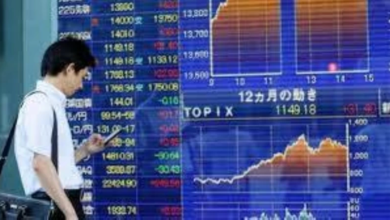
European stocks plunged today, hitting their lowest levels since mid-February, amid growing concerns over escalating geopolitical tensions in the Middle East. A wave of risk aversion swept through the market, prompting investors to abandon high-risk assets and seek safe havens, while energy and defense stocks bucked the trend, posting notable gains.
Performance of key indicators and affected sectors
The pan-European STOXX 600 index fell 1.8% to 622.35 points by 8:12 GMT, retreating from the record highs reached at the close of last week's trading. The sell-off affected most major sectors, with travel and leisure suffering the biggest losses, declining 4.4%. Airlines were particularly hard hit, with shares of Germany's Lufthansa plunging 11% amid concerns about flight disruptions and rising fuel costs. The financial sector also suffered losses, with the banking index falling 3.6% and the insurance index losing nearly 2% of its value.
Energy and Defense: Winners Amid the Crisis
In contrast to the overall negative market performance, shares of major energy companies jumped by more than 5% each, driven by a significant surge in oil prices, which climbed by approximately 13%. This strong rise in crude oil prices stemmed from immediate concerns about disruptions to global energy supplies through the vital Strait of Hormuz, following Iran's response to the US and Israeli attacks. This boosted the energy sector index, which rose by 3.5%.
In a related development, defense companies benefited from the geopolitical uncertainty, with their stocks rising between 5% and 8%. This increase reflects investors' bets on increased military and government spending on armaments, both in the United States and European countries, in response to escalating security challenges.
The economic and geopolitical context and its impact
These movements in financial markets are particularly significant given the European economy's sensitivity to energy prices. Rising oil prices are reviving the specter of inflation, which could complicate the European Central Bank's efforts to lower interest rates. Historically, crises in the Middle East have been linked to increased volatility in global financial markets, as fears of supply chain disruptions and higher shipping and insurance costs put selling pressure on industrial and consumer stocks.
Analysts believe that continued current tensions could lead to further market volatility, as investors closely monitor any signs of de-escalation or escalation, with particular focus on the security of the vital energy waterways that are the lifeblood of the global economy.