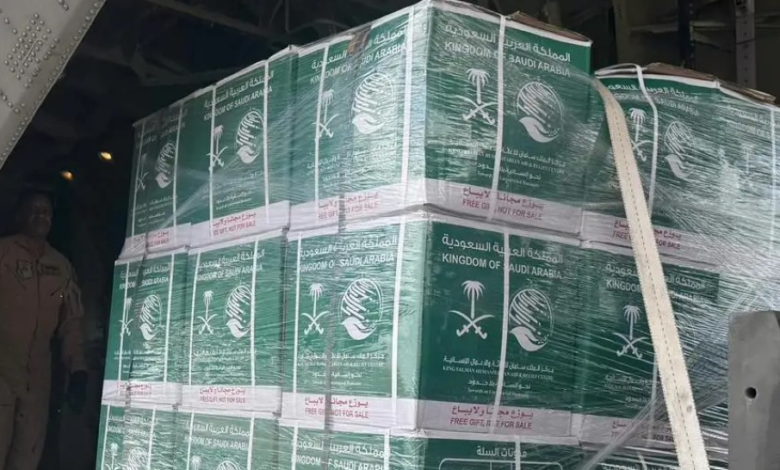

.aksa-articleBody h1 span, .aksa-articleBody h2 span, .aksa-articleBody h3 span { font-size: unset; } .relateArticleBody + br + br, .relateArticleBody + br { display: none; } .relateArticleBody { margin-top: 20px; margin-bottom: 20px; } .relateArticleBodyTitle { font-family: 'Cairo'; font-weight: 800; font-size: 17px; line-height: 24px; padding-right: 7px; border-right: 4px solid #00509f; margin-bottom: 10px; color: #00509f; } .blue-gradient-border{ height: 2px; background: linear-gradient(270deg, #00509F 0%, rgba(0, 80, 159, 0) 63.54%); margin-bottom: 20px; } .relateArticleBodyRow { display: flex; padding-bottom: 5px; } .relatedImageSmall{ margin-left: 7px; } .relateArticleBodyRow .relatedImageSmall .ratio{ padding-bottom: 100%; } .relateArticleBody.relatedImageSmall .ratio img { position: absolute; } .relateArticleBody .article-bx .related_article_title{ font-family: 'Cairo'; font-size: 14px; line-height: 24px; color: #00509f; font-weight: 800; display: -webkit-box; -webkit-line-clamp: 3; -webkit-box-orient: vertical; overflow: hidden; } .relateArticleBodyRow .article-bx{ padding-top: 2px; padding-left: 3px; border-left: 1px solid #dddddd; margin-left: 5px; } .relateArticleBodyRow:last-child .article-bx{ border-left: none; } article div[data-oembed-url] { display: table; margin:auto; } @media screen and (max-width: 768px) { .relateArticleBody { float: none; width: 100%; } .relateArticleBodyRow { display: flex; padding-bottom: 5px; width: 100%; margin-bottom: 10px; } .relateArticleBodyRow .article-bx{ border-left: none; } } Reached El Arish International Airport In the Arab Republic of Egypt today, Saudi relief plane The (83) that it operates King Salman Center for Relief and Humanitarian AidIn coordination with the Ministry of Defense and the Kingdom's embassy in Cairo.
The Saudi plane (83) is carrying large quantities of food baskets, in preparation for transferring them to the affected people of the brotherly Palestinian people inside the Gaza Strip.
.article-img-ratio{ display:block;padding-bottom: 67%;position:relative; overflow: hidden;height:0px; } .article-img-ratio img{ object-fit: contain; object-position: center; position: absolute; height: 100% !important;padding:0px; margin:auto; width: 100%; }
The Saudi plane (83) is carrying large quantities of food baskets, in preparation for transferring them to the affected people of the brotherly Palestinian people inside the Gaza Strip.
.article-img-ratio{ display:block;padding-bottom: 67%;position:relative; overflow: hidden;height:0px; } .article-img-ratio img{ object-fit: contain; object-position: center; position: absolute; height: 100% !important;padding:0px; margin:auto; width: 100%; }
This aid comes as part of the Saudi support provided through the King Salman Relief Center to the brotherly Palestinian people in the Gaza Strip, to alleviate the difficult living conditions that the sector is suffering from.