Huge US reward for information on the leader of the Sayyid al-Shuhada Brigades

Huge US reward for targeting the leader of an Iranian-backed Iraqi faction
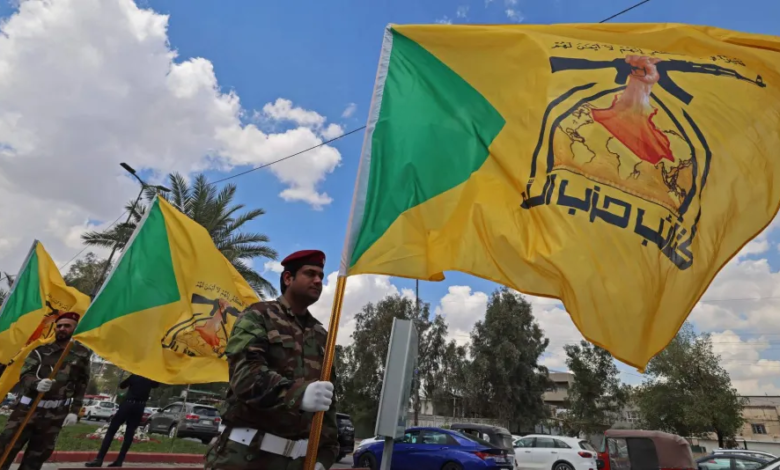
In a move reflecting escalating tensions between the United States and Iranian-backed armed groups in the region, the U.S. State Department’s Rewards for Justice program announced a substantial reward of up to $10 million. This reward is offered for information leading to the identification or location of Hashim Fenyan Rahim al-Saraji, widely known as Abu Ala al-Walai, the secretary-general and founder of the Iraqi militia Kataib Sayyid al-Shuhada.
Who are the Sayyid al-Shuhada Brigades and Abu Ala al-Walai?
The Sayyid al-Shuhada Brigades is one of the most prominent Shiite armed groups in Iraq, and it is part of the Popular Mobilization Forces (PMF), which have been formally integrated into the Iraqi security forces. Founded in 2013, the group received direct support and training from the Quds Force of the Iranian Revolutionary Guard Corps (IRGC). Its role became particularly prominent during the war against ISIS, but it has maintained its ideological and operational allegiance to Iran. Its leader, Abu Ala al-Walai, is known for his public statements against the American presence in Iraq and the region, and he has repeatedly claimed responsibility for attacks targeting US and coalition forces.
Historical context and regional tensions
This announcement comes within a complex historical context of strained relations between Washington and Tehran, often played out in Iraq. Since the 2003 US invasion of Iraq, Iran’s influence has grown through its support for political and military factions. In November 2023, the United States designated Kataib Sayyid al-Shuhada as a “Specially Designated Global Terrorist Organization,” accusing it of planning and carrying out terrorist attacks against US personnel and interests in Iraq and Syria. The period following the outbreak of the Gaza war in October 2023 saw a marked escalation in the frequency of attacks by these factions against US bases, prompting Washington to take more stringent measures.
The importance and expected effects of advertising
The decision to offer the reward carries multiple implications and dimensions. Domestically, this measure places the Iraqi government in a difficult position, forcing it to balance its strategic partnership with the United States with dealing with an influential armed faction that is considered part of its official security establishment. Regionally, the announcement sends a clear message from the US administration to Iran and its proxies that targeting US forces will not go unpunished, reflecting a US strategy aimed at dismantling the financial and leadership networks of these groups. Internationally, this decision reinforces the US designation of the group as a terrorist organization and seeks to mobilize international pressure against it and its supporters, which could affect its ability to operate and secure funding.