
مقدمة: رحلة الحج بين الماضي والحاضر
شهدت رحلة الحج عبر العصور تحولات جذرية تعكس حجم التطور البشري والتقني، فضلاً عن الجهود الجبارة التي تبذلها المملكة العربية السعودية لخدمة ضيوف الرحمن. وفي هذا السياق، استعاد مدير جمعية الثقافة والفنون بمحافظة الأحساء، يوسف الخميس، ذكريات وتفاصيل رحلات الحج القديمة والمحطات التاريخية للقوافل، مسلطاً الضوء على الفارق الشاسع بين الماضي المليء بالمشقة والحاضر الذي يتسم بالراحة والطمأنينة بفضل الرعاية الكريمة من القيادة الرشيدة.
السياق التاريخي: مواجهة قسوة الصحراء وطرق القوافل
تاريخياً، كانت رحلة الحج تمثل تحدياً كبيراً للمسلمين في شبه الجزيرة العربية وخارجها، حيث كانت تستغرق أشهراً طويلة محفوفة بالمخاطر البيئية وقسوة التضاريس. وأوضح الخميس أن الحاج قديماً كان يبدأ استعداده المبكر مستعيناً بأصحاب الحملات والمطوفين لتنظيم السفر عبر طرق برية وعرة تفتقر للخدمات الأساسية. كانت القوافل تعتمد كلياً على خبرة الأدلاء والسائقين في تتبع مسارات الصحراء ومواقع الآبار، حيث كانت تقام مخيمات استراحة متقطعة يتولى فيها الحجاج إعداد طعامهم بأنفسهم. وفي الأحساء، برزت منطقة “المبرز” كمحطة رئيسية لتجمع القوافل واستقرارها قرب ينابيع المياه، إلى جانب “ساحة الخيل” بالهفوف التي كانت تستقبل حجاج دول الخليج العربي، مما يعكس الأهمية الإقليمية للمنطقة كمعبر رئيسي للحجاج.
تطور وسائل النقل: من ظهور الإبل إلى سيارات اللوري
شهدت وسائل النقل تحولات كبرى غيرت وجه الرحلة تماماً. فقد بدأت بالرحلات الشاقة على ظهور الإبل، لتنتقل ما بين الأربعينيات والستينيات الميلادية إلى مركبات “اللوري” والباصات الخشبية. وأشار الخميس إلى أن استخدام السيارات قلص مدة الرحلة بشكل دراماتيكي من ثلاثة أشهر تقريباً إلى نحو 25 يوماً ذهاباً وإياباً. وكان الأهالي يحرصون على وضع سواتر مخصصة لحفظ خصوصية النساء والأسر داخل المركبات، في التزام واضح بالقيم الاجتماعية والدينية.
ثورة الاتصالات: من رسائل المطراش إلى مكالمات الفيديو
لعل أبرز ما يجسد هذا التطور هو كيفية تواصل الحجاج مع ذويهم. في الماضي، كان الحجاج يطمئنون عائلاتهم عبر أشخاص يُعرفون بـ “المرسول” أو “المطراش”، وهي وسيلة بطيئة تعتمد على المسافرين العائدين وتستغرق أسابيع. تطور الأمر لاحقاً إلى كبائن الهواتف الثابتة، وصولاً إلى عصرنا الحالي حيث تتيح شبكات الاتصال المتقدمة وتطبيقات التواصل المرئي الفوري للحاج التحدث مع أهله بالصوت والصورة من داخل المشاعر المقدسة، مما أنهى عصوراً من القلق والترقب الذي كان يعيشه الأهالي.
طقوس الوداع والفرحة بالعودة: العلم الأخضر رمزاً
وحول الطقوس الاجتماعية، وصف الخميس لحظات الوداع بامتزاج الفرح بأداء الفريضة مع الحزن والخوف من مشقة الطريق. كانت تقام احتفاليات بسيطة تردد فيها الأناشيد الدينية بمشاركة الجيران. وعند العودة، كانت أسواق مكة المكرمة تمتلئ بالحجاج لاقتناء الهدايا والتذكارات. وكشف عن عادة تراثية جميلة، حيث كان الأهالي يرفعون “علماً أخضر” فوق المنازل كإشعار متعارف عليه بقرب عودة الحاج سالماً، لتنطلق بعدها مظاهر الفرح واستقبال المهنئين بالقهوة والشاي في كافة أرجاء الحارة.
الأثر المحلي والدولي لجهود المملكة الحديثة
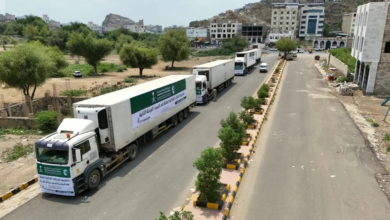
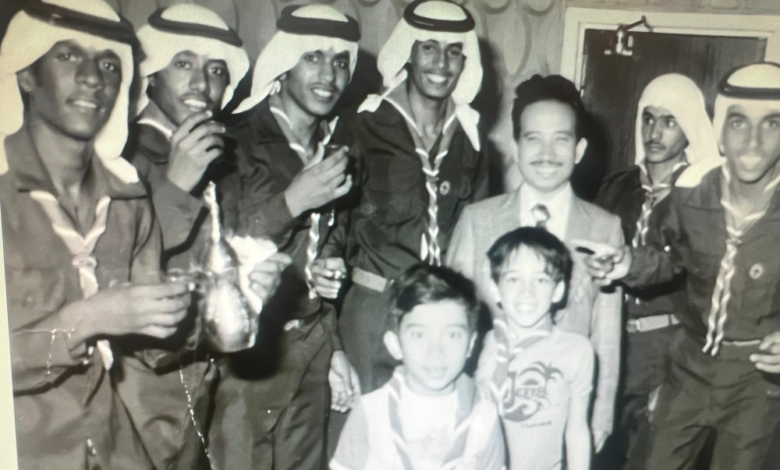
واختتم الخميس تصريحه بالتأكيد على أن من عاش تجربة الحج قديماً يدرك حجم النقلة النوعية اليوم. فقد وفرت حكومة خادم الحرمين الشريفين وولي عهده الأمين إمكانيات هائلة؛ من طرق معبدة، وقطارات سريعة، وخدمات تقنية وصحية متطورة، مما جعل رحلة الحج أكثر أمناً وراحة. هذا التطور لم ينعكس محلياً فقط، بل كان له تأثير دولي بالغ، حيث مكن ملايين المسلمين حول العالم من أداء النسك بسهولة، ليشعر الحاج وكأنه في بيته. كما أشاد بالدور التاريخي والمستمر لفرق الكشافة السعودية التي سجلت حضوراً بارزاً منذ القدم في إرشاد وتنظيم وتسهيل حركة ضيوف الرحمن.