Iran: Washington publicly announces negotiations while secretly preparing for a ground operation

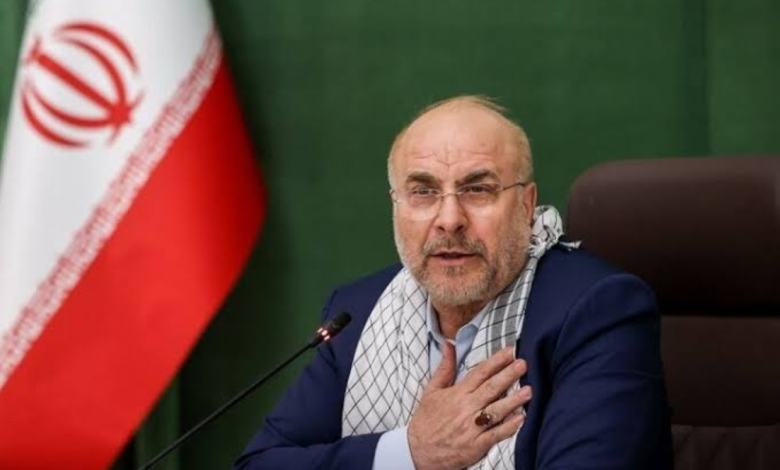
Iranian Parliament Speaker Mohammad Baqer Qalibaf accused Washington of secretly planning a ground attack on his country despite its public engagement in diplomatic efforts to end the war, after a US assault ship carrying 3,500 soldiers arrived in the region.
Qalibaf's remarks come as the US-Israeli offensive against Iran its second month, and as key regional players hold talks in Pakistan.
Qalibaf said on Sunday: “The enemy is publicly sending messages of negotiation and dialogue, while secretly planning a ground attack.”.
He added: “Our men are waiting for the American soldiers to arrive on the ground to burn them and punish their allies in the region once and for all.”.
Qalibaf called on Iranians to unite, saying the country is engaged in a major world war that has reached its most sensitive stage.
The war, which has been ongoing for weeks, has inflicted heavy losses on civilians.
Trump expects a deal soon
US President Donald Trump constantly speaks of diplomatic engagement with Iran, but Tehran denies this.
might be reached soon, Iran or it might not, noting that the regime in Iran has changed and become more rational.
Al Arabiya quoted Trump as saying: Iran has sent us 20 oil tankers that will pass through the Strait of Hormuz in the coming days as a sign of respect for us.
Negotiations continue
Trump added: "We are negotiating with Iran directly and through intermediaries, and today's negotiations went very well. Iran has responded to most of the 15 points in the agreement."
He continued: "Regime change in Iran was necessary, and we are now dealing with a new, more rational group within the Iranian regime because the old leadership has been killed."
He said: "Today we struck more targets in Iran, and Mojtaba Khamenei was seriously wounded."
He noted that if US forces were to seize Kharg Island, it might require them to remain there for some time.