
تطورات أمنية متسارعة وانفجارات في العمق الإيراني
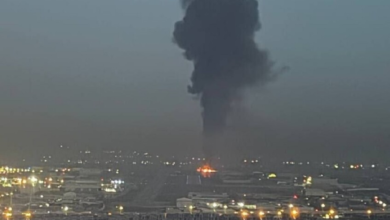
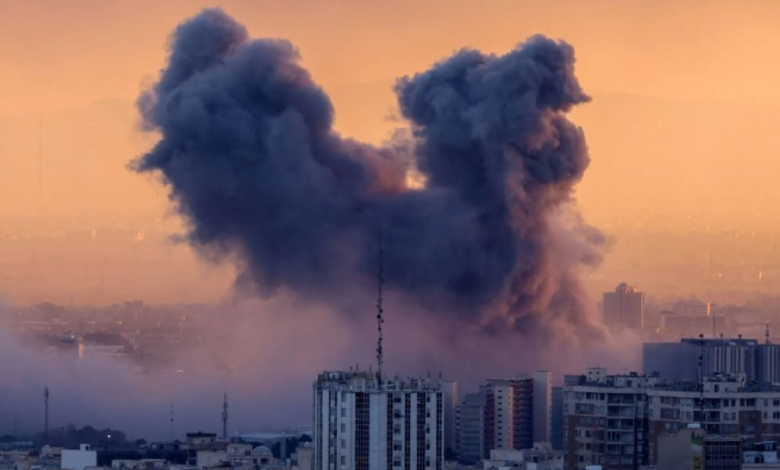
أفادت تقارير إعلامية إيرانية وعربية بوقوع تطورات عسكرية وأمنية متسارعة وغير مسبوقة، حيث هزت انفجارات عنيفة المربعات الصناعية والأمنية الواقعة شرق العاصمة الإيرانية طهران. وتزامنت هذه الانفجارات مع تحليق مكثف للمقاتلات الحربية في أجواء مدن استراتيجية وحيوية، أبرزها شيراز وبوشهر ومناطق مختلفة من أصفهان، مما ينذر بتصعيد عسكري خطير في المنطقة.
إنذار أمريكي أخير: 48 ساعة أو الجحيم
وفي سياق متصل بهذا التصعيد، وجه الرئيس الأمريكي دونالد ترامب تحذيراً شديد اللهجة وإنذاراً نهائياً لطهران، حيث أمهل القيادة الإيرانية 48 ساعة فقط لإعادة فتح مضيق هرمز الاستراتيجي أمام حركة الملاحة الدولية. ونقلت قناة “العربية” عن ترامب قوله بوضوح: “إما فتح المضيق خلال 48 ساعة أو مواجهة الجحيم”، وهو تصريح يعكس حجم التوتر ووصول الأزمة إلى حافة الهاوية.
السياق التاريخي والأهمية الاستراتيجية لمضيق هرمز
لفهم أبعاد هذا التصعيد، يجب النظر إلى السياق التاريخي والأهمية الاستراتيجية لمضيق هرمز. يُعد المضيق أحد أهم الممرات المائية في العالم، حيث يمر عبره نحو خُمس استهلاك العالم من النفط. لطالما استخدمت إيران التهديد بإغلاق المضيق كورقة ضغط سياسية وعسكرية في مواجهة العقوبات الدولية والضغوط الأمريكية. وتعود جذور هذا التوتر المتصاعد إلى سياسة “الضغوط القصوى” التي تبنتها الإدارة الأمريكية، والتي شملت انسحاب واشنطن من الاتفاق النووي الإيراني في عام 2018 وفرض عقوبات اقتصادية قاسية على قطاعات النفط والمصارف الإيرانية.
دلالات استهداف المدن الحيوية
إن اختيار المدن التي شهدت تحليقاً للمقاتلات أو تعرضت لانفجارات يحمل دلالات استراتيجية عميقة. فمدينة أصفهان تضم منشآت نووية وعسكرية حساسة، بينما تحتضن بوشهر محطة الطاقة النووية الإيرانية المطلة على الخليج العربي. أما شيراز، فتعتبر مركزاً حيوياً للقواعد الجوية والعسكرية. استهداف أو ترويع هذه المناطق يبعث برسالة واضحة حول القدرة على ضرب العمق الاستراتيجي والبنية التحتية الحساسة لإيران.
التداعيات المتوقعة: محلياً وإقليمياً ودولياً
من المتوقع أن يترك هذا الحدث تداعيات واسعة النطاق على مستويات عدة. محلياً، ستؤدي هذه التطورات إلى حالة من الاستنفار الأمني القصوى داخل إيران، مع احتمالية تضرر البنية التحتية الصناعية والاقتصادية. إقليمياً، يضع هذا التصعيد منطقة الشرق الأوسط بأكملها، وخاصة دول الخليج العربي، في حالة تأهب قصوى تحسباً لأي ردود فعل انتقامية أو اندلاع مواجهة عسكرية شاملة قد تعطل الملاحة وتؤثر على أمن واستقرار المنطقة.
على الصعيد الدولي، يشكل التهديد بإغلاق مضيق هرمز والتلويح بـ “الجحيم” العسكري كابوساً للاقتصاد العالمي. من المرجح أن تتفاعل الأسواق العالمية فوراً مع هذه الأنباء من خلال ارتفاع حاد في أسعار النفط وتكاليف التأمين على الشحن البحري. إن المجتمع الدولي يراقب الآن الساعات الثماني والأربعين القادمة بحذر شديد، حيث أن أي شرارة إضافية قد تشعل صراعاً دولياً يصعب احتواء نتائجه.