Explosions heard in occupied Jerusalem following missile launches from Iran

Details of explosions in occupied Jerusalem
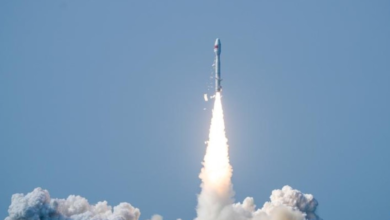
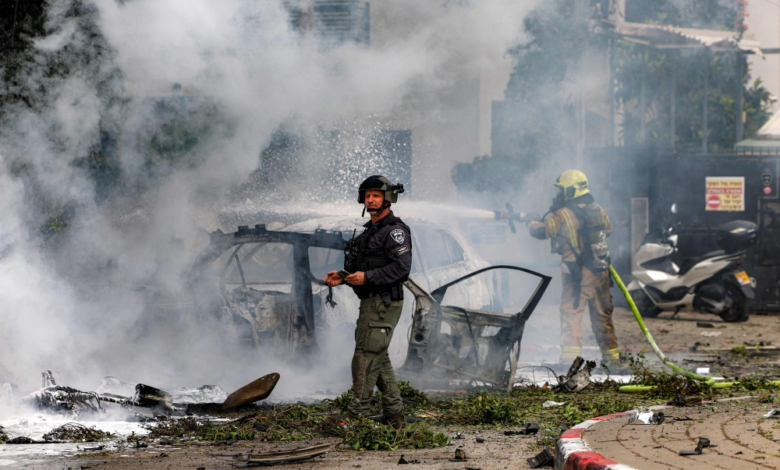
AFP correspondents reported hearing loud and intense explosions in occupied Jerusalem on Monday, following the Israeli army's official announcement that it had detected a barrage of missiles launched from Iran toward the occupied territories. These rapidly unfolding events triggered a state of high alert, with sirens blaring across wide areas, sending residents scrambling for shelter as Israeli air defense systems were heavily activated in an attempt to intercept the incoming projectiles.
These dangerous developments come after the Israeli occupation government announced earlier that it had launched a series of targeted military strikes against sites in several Iranian cities, including the capital, Tehran. These strikes occurred within the context of an ongoing escalation and open warfare marked by reciprocal attacks, reflecting a shift in the confrontation between the two sides from a shadow war to a direct and declared military clash.
Iran's position and readiness for escalation
On the other hand, in a swift reaction to the overall events, Iranian Foreign Minister Abbas Araqchi stated on Monday that Tehran is fully prepared to proceed with the military confrontation with Israel and the United States to the “greatest extent” necessary to protect its national security and strategic interests.
During a weekly press briefing at the Iranian Foreign Ministry, Araqchi added, directing a strongly worded message to the concerned parties: “I think they have learned the lesson well now, and realized the kind of country they are dealing with. We are a country that does not hesitate at all to defend itself and its interests, and is prepared to go to war wherever it leads, and continue it to the furthest extent necessary to deter any external aggression.”.
General context and historical background of the event
To understand the nature of this escalation, one must examine the historical background of the conflict between Israel and Iran, which for decades has been known as the “shadow war.” For years, the two sides exchanged indirect attacks, targeting commercial vessels in waterways, launching reciprocal cyberattacks on infrastructure, and conducting complex intelligence operations that included the assassination of Iranian nuclear scientists and senior military commanders. However, 2024 witnessed a radical and strategic shift in the rules of engagement, with direct confrontations becoming more frequent, beginning with the attack on the Iranian consulate in Damascus, followed by Iran’s direct response with drones and ballistic missiles, and then Israel’s counter-responses. This shift heralds an entirely new phase in the history of conflict in the Middle East, where the traditional red lines that had prevented a slide into full-blown war have faded.
The importance of the event and its expected impact locally, regionally, and internationally
Domestically, the launching of missiles from Iran and the sound of explosions in Jerusalem have brought daily life in Israel to a near standstill, increasing psychological and economic pressure on the home front. This escalation also places immense strain on Israel's multi-layered air defense systems, such as Iron Dome, David's Sling, and Arrow, and inflicts heavy losses on the Israeli economy due to the high cost of interception operations and the disruption of production and air traffic.
Regionally, this event represents a dangerous turning point that could ignite the entire region. A direct escalation between Tehran and Tel Aviv opens the door to intervention by other regional actors, specifically armed factions allied with Iran in Lebanon, Yemen, Iraq, and Syria. This complex interconnectedness of fronts means that any miscalculation in military strategy could lead to a full-scale regional war that would redraw the geopolitical map of the Middle East and threaten the stability of all neighboring countries.
On the international level: The impact of these explosions and tensions is not limited to the Middle East; it extends to the entire world. Internationally, these events raise serious and profound concerns about the security of global energy supplies, as any large-scale conflict could threaten navigation in the strategic Strait of Hormuz, causing oil prices to skyrocket and further damaging the already fragile global economy. Moreover, direct US intervention in support of Israel could draw in other major powers, presenting the international community and the United Nations with an unprecedented challenge to prevent a major global crisis from erupting from the Middle East.