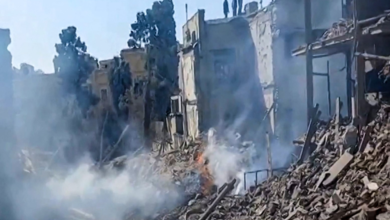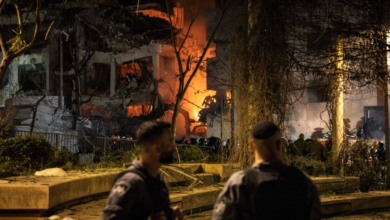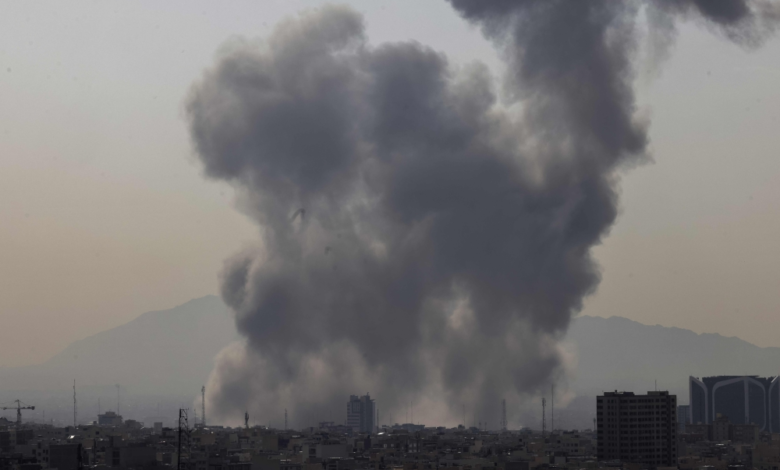
In the early hours of the morning, the Iranian capital, Tehran, witnessed rapid security developments, represented by the sound of loud explosions that shook the city, amid media reports confirming that Israeli aircraft launched airstrikes targeting sensitive sites linked to the Iranian ballistic missile program.
Details of the air attack on Tehran
According to an AFP correspondent, explosions were clearly heard in various parts of Tehran late Saturday night. Sources indicated at least three explosions occurred around 4:00 AM local time (12:30 AM GMT). This coincided with the sound of drone engines flying over the capital, further fueling speculation about the nature of the attack.
In a related context, Al-Ekhbariya channel, quoting its sources, confirmed that the Israeli Air Force is continuing precise targeting operations against Iranian ballistic missile depots and platforms, in a move that indicates a qualitative escalation in the direct confrontation between the two sides.
General context and historical background of the conflict
These explosions cannot be separated from the context of the ongoing "shadow war" between Israel and Iran. Tel Aviv has long considered Iran's missile program, along with its nuclear program, an existential threat to its national security. While the past few years have witnessed a series of mysterious incidents, cyberattacks, and acts of sabotage targeting military and nuclear facilities within Iranian territory, the shift to direct airstrikes or the use of drones in the heart of the capital represents a strategic shift in the rules of engagement.
Strategic importance and impact of the event
Targeting ballistic missiles carries significant military and political implications. These missiles form the backbone of Tehran's defensive and offensive doctrine and are a key instrument of its regional influence. A successful strike that neutralizes any part of this arsenal could temporarily shift the balance of power in the region.
Regionally, this escalation raises widespread concerns about the region sliding into open conflict that could affect the stability of the entire Middle East, including the security of energy routes and international shipping lanes. Internationally, major capitals are following these developments with concern, as such events often lead to intensive diplomatic efforts to try to contain the situation and prevent the conflict from spreading.
So far, no detailed official statements have been issued by the Iranian side regarding the extent of material or human losses, while the situation remains open to all possibilities in the coming hours.