
تفاصيل الهجوم على العاصمة الإيرانية طهران
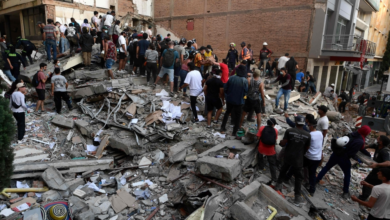
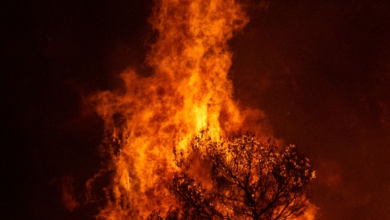
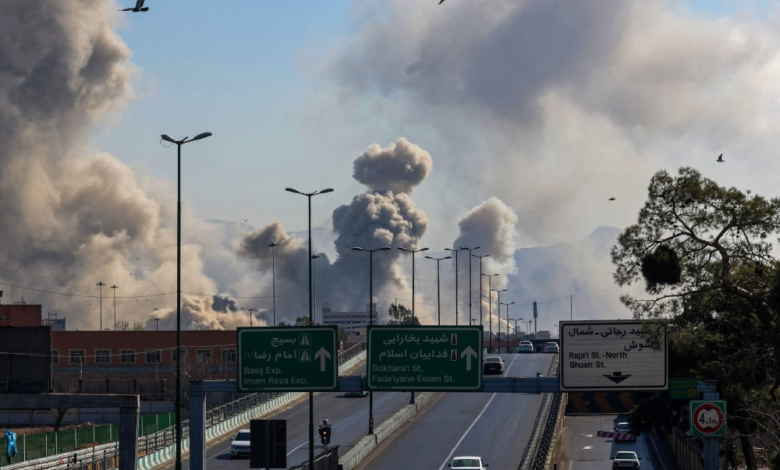
أفادت تقارير إعلامية دولية ومحلية بسماع دوي انفجارات قوية عدة مساء يوم الجمعة في العاصمة الإيرانية طهران. وتزامن هذا الحدث الأمني البارز مع تحليق مكثف للطائرات الحربية في سماء المنطقة، وفقاً لما نقلته وكالة فرانس برس عن مراسليها الميدانيين. من جانبها، أكدت وكالة “فارس” الإيرانية للأنباء تفعيل أنظمة الدفاع الجوي للتعامل مع أهداف معادية في الأجواء. يأتي هذا التطور الخطير بعد إعلان جيش الاحتلال الإسرائيلي رسمياً، في وقت سابق، عن تنفيذ ضربات عسكرية واسعة النطاق وموجهة بدقة ضد أهداف عسكرية داخل الأراضي الإيرانية، مما يمثل تصعيداً مباشراً وغير مسبوق.
السياق العام والخلفية التاريخية للصراع
لا يمكن فصل هذه الأحداث المتسارعة عن السياق التاريخي لـ “حرب الظل” الطويلة بين إسرائيل وإيران، والتي استمرت لعقود عبر هجمات سيبرانية، وعمليات اغتيال استهدفت علماء وقادة عسكريين، واستهداف متبادل للسفن، بالإضافة إلى دعم طهران المالي والعسكري للفصائل المسلحة في المنطقة. ومع اندلاع الحرب في قطاع غزة في السابع من أكتوبر 2023، تصاعدت حدة التوترات الإقليمية بشكل ملحوظ. وقد شهد شهر أبريل من عام 2024 تصعيداً مباشراً خطيراً عندما أطلقت إيران مئات الطائرات المسيرة والصواريخ باتجاه إسرائيل رداً على استهداف قنصليتها في العاصمة السورية دمشق، لترد إسرائيل لاحقاً بضربات محدودة استهدفت أنظمة رادار قرب منشآت نووية في أصفهان. الهجوم الأخير على طهران يمثل حلقة جديدة وأكثر خطورة في سلسلة هذا التصعيد المباشر والعلني بين الطرفين.
الأهمية الاستراتيجية والتأثير المتوقع للحدث
التأثير المحلي
يضع هذا الهجوم المباشر على العاصمة طهران القيادة الإيرانية أمام تحدٍ كبير فيما يتعلق بمعادلة الردع وصورة النظام أمام الداخل الإيراني. إن تفعيل الدفاعات الجوية وسماع دوي الانفجارات في العاصمة يثير قلقاً شعبياً واسعاً، ويؤثر على الاستقرار الداخلي والاقتصاد المحلي الذي يعاني بالفعل من وطأة عقوبات دولية قاسية وتضخم مستمر.
التأثير الإقليمي
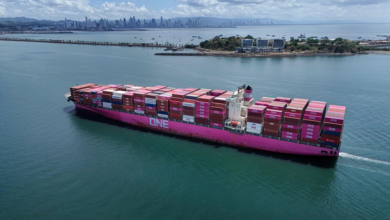
يُنذر هذا التطور بانزلاق منطقة الشرق الأوسط نحو حرب إقليمية شاملة. فإيران تقود ما يُعرف بـ “محور المقاومة” الذي يضم فصائل مسلحة في لبنان، واليمن، والعراق، وسوريا. أي تصعيد عسكري مباشر ومفتوح بين طهران وتل أبيب قد يدفع هذه الجبهات لتكثيف هجماتها بشكل متزامن، مما يهدد أمن الدول المجاورة واستقرار الملاحة البحرية في ممرات مائية حيوية مثل مضيق هرمز والبحر الأحمر.
التأثير الدولي
تتابع العواصم العالمية، وعلى رأسها واشنطن، هذا التصعيد بقلق بالغ. الولايات المتحدة، التي سعت جاهدة عبر القنوات الدبلوماسية لمنع توسع رقعة الصراع، تجد نفسها مضطرة لتعزيز تواجدها العسكري في المنطقة لحماية حلفائها ومصالحها الاستراتيجية. علاوة على ذلك، فإن أي تهديد محتمل للمنشآت النفطية الإيرانية أو إعاقة لحركة المرور في مضيق هرمز سيؤدي حتماً إلى صدمة قوية في أسواق الطاقة العالمية، مما يرفع أسعار النفط ويزيد من معدلات التضخم التي تكافح الاقتصادات الكبرى للسيطرة عليها.