Explosions in Jerusalem and Iranian missiles: Trump sets a timeframe for the attack

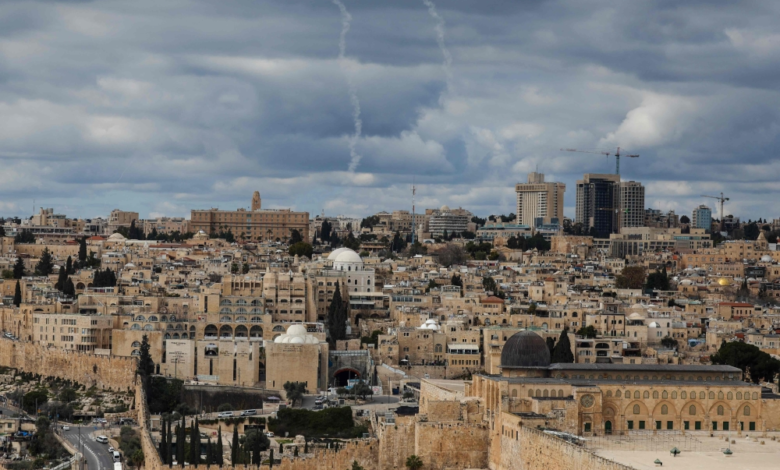
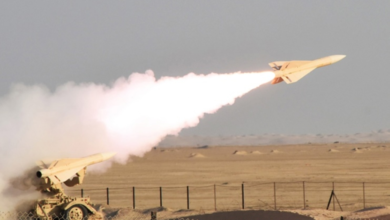
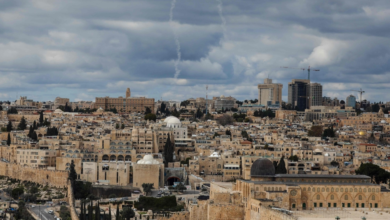
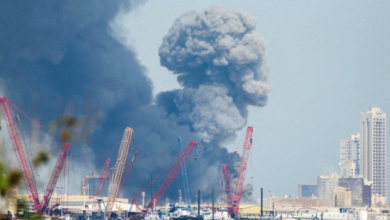
The occupied city of Jerusalem and the Tel Aviv area were rocked by loud explosions around 5:00 AM GMT on Monday, coinciding with the sounding of sirens across wide areas. This followed an announcement by the Israeli army that it had detected the launch of ballistic missiles from Iranian territory toward Israel. Eyewitnesses and AFP journalists reported hearing the sounds of interceptions and explosions that shook the targeted cities, prompting the immediate activation of Israeli air defense systems.
In detailing the military incident, the Israeli military spokesperson confirmed that "a short time ago, Israeli forces detected missiles launched from Iran toward Israeli territory," noting that air defense systems, including Iron Dome, David's Sling, and Arrow, were activated to intercept the incoming threats. The Israeli Home Front Command urged all residents in the targeted areas to immediately proceed to shelters and fortified rooms and remain there until further notice, reflecting the state of high alert in the region.
Trump outlines the response and the "Venezuela" scenario
On the political and international front, and in striking remarks reflecting the depth of US-Israeli coordination, US President Donald Trump stated that a counterattack against Iran could last up to five weeks. Speaking to The New York Times, Trump outlined a new political approach to the crisis, comparing the situation in Tehran to what happened in Venezuela, suggesting that "what we did in Venezuela could be the perfect scenario for Iran," in a clear reference to the maximum pressure strategy aimed at regime change from within.
The US president added that he has "three very good options" regarding Iran's future leadership, emphasizing his openness to lifting crippling economic sanctions if a new, "pragmatic" leadership assumes power. Trump also addressed a direct message to the Iranian military establishment, calling on the army and the Revolutionary Guard to "surrender their weapons," while simultaneously warning that the United States possesses a massive arsenal of missiles, bombs, and troops ready to support any large-scale attack on Iranian targets.
Context of escalation and its regional repercussions
This dangerous escalation comes at a time of unprecedented tension in the Middle East, where the confrontation between Tehran and Tel Aviv has shifted from a "shadow war" and cyberattacks or proxy warfare to direct and open conflict. Analysts indicate that targeting Jerusalem and Tel Aviv with missiles launched directly from Iranian territory represents a strategic shift in the rules of engagement, one that could drag the entire region into a wider regional war.
These developments have serious implications for international peace and security, as the international community fears the impact of this conflict on global energy supplies and maritime traffic through vital straits. Furthermore, the explicit American talk of "regime change" and scenarios for a transfer of power poses existential challenges to the Iranian regime, potentially pushing it to adopt more radical options in response. This makes the coming weeks crucial in shaping the future geopolitical landscape of the Middle East.