Explosions in Jerusalem and Tel Aviv caused by Iranian missiles; Trump threatens escalation

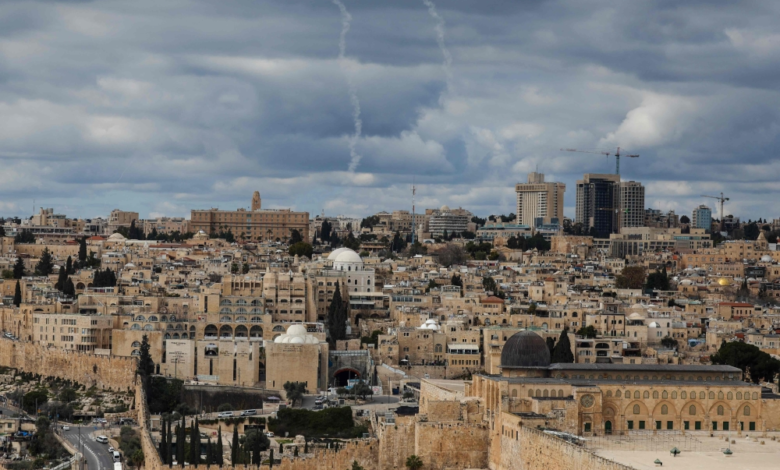
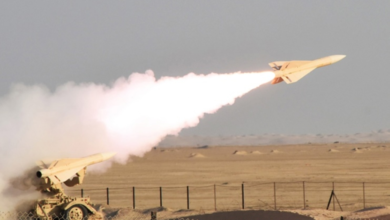
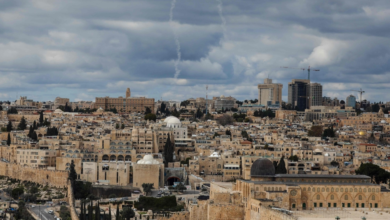
Early Monday morning, around 5:00 AM GMT, loud explosions rocked occupied Jerusalem and the Tel Aviv area in central Israel, coinciding with the sounding of sirens in several key locations. The Israeli military officially confirmed the detection of ballistic missile launches from Iranian territory toward Israel, a dangerous military escalation that threatens widespread regional repercussions.
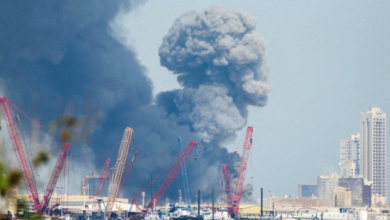
According to AFP journalists and eyewitnesses, the sounds of aerial interceptions and loud explosions were heard throughout Jerusalem and Tel Aviv. In an urgent statement, the Israeli army announced the activation of its advanced air defense systems, including the Iron Dome and David's Sling, to intercept incoming missiles, urging the home front and residents of the targeted areas to immediately seek shelter and adhere to strict security instructions.
Trump hints at regime change in Tehran
In a significant political development coinciding with the attack, US President Donald Trump made fiery remarks, reported by The New York Times, indicating that a US counterattack on Iran could last for five weeks. Trump likened the anticipated scenario in Tehran to what happened in Venezuela, hinting at the possibility of a change in the Iranian power structure, saying, "We have three very good options as to who could lead Iran, and power could transfer there just like it did in Venezuela.".
The US president added that he was open to lifting the crippling economic sanctions on Tehran, provided there was a "new, pragmatic leadership," leaving it to the Iranian people to act against the current government. He also directly called on the Iranian army and the Revolutionary Guard to lay down their arms, emphasizing that the United States possessed a massive arsenal of missiles and troops to support any large-scale military action.
The context of the conflict and its regional repercussions
This unprecedented escalation marks a new chapter in the long-standing conflict between Israel and Iran, which for years has been waged through shadow warfare, cyberattacks, and proxies in the region. However, the shift to direct confrontation and the launching of missiles from Iranian territory into the Israeli heartland represents a strategic shift in the rules of engagement in the Middle East.
Observers believe that targeting Jerusalem and Tel Aviv carries strong political and military messages that go beyond a mere military response. These developments have placed the entire region on a knife's edge, amid international fears of a slide into a full-blown regional war that could directly impact global energy supplies and shipping lanes, necessitating urgent international diplomatic action to contain the situation before it's too late.