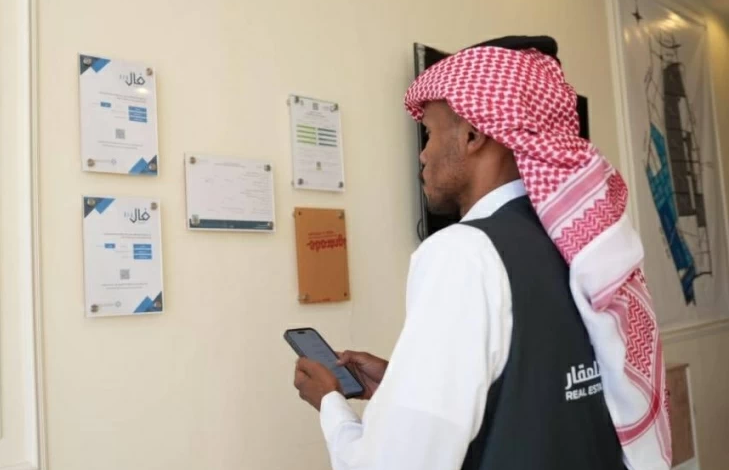

The Authority explained that field work is one of the paths it is working on to regulate the real estate market, as its supervisory teams carried out 9,734 field supervisory audits on billboards and real estate offices during the same period, which resulted in monitoring a number of violations that were represented in practicing real estate brokerage activity or real estate services without obtaining a valid license, not taking the necessary care to verify the accuracy of the information obtained from the property owner or the owner of the benefit, and not stating the name of the licensee or the license number in advertisements related to the property.
The Authority received 1,269 real estate reports through its various channels, which were dealt with and processed. The number of electronic surveys reached more than 17,484 operations, as the Authority pursues electronic monitoring that targets digital channels and real estate platforms to verify the regularity of advertisements and digital real estate brokerage practices in accordance with regulations and bylaws.
Rules and regulations
The General Authority for Real Estate called on all real estate brokers and service providers to comply with the rules and regulations of the Real Estate Brokerage System, and to review the violations in order to avoid penalties that include warnings, suspension or cancellation of the license, or financial fines of up to 200,000 riyals.
It also called on citizens and residents to submit their reports in case of suspected real estate violations or real estate fraud through the reporting response channel via the Authority’s official platform or by calling the number (199011) for real estate inquiries.
These tours are aimed at ensuring compliance with real estate legislation in general and the real estate brokerage system in particular, in addition to matters related to the jurisdiction of the participating government agencies.